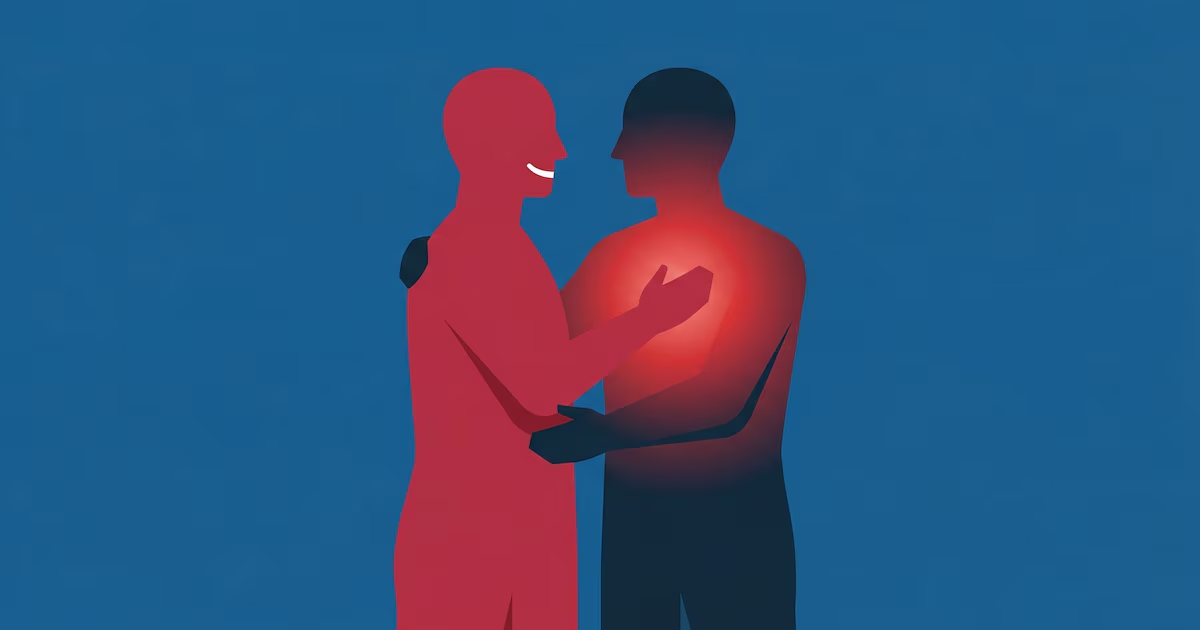
Studies in this field, exploring the nature of 'touch hunger' or 'touch deprivation,' had previously focused on isolated older adults, but after COVID-19, they expanded to cover all age groups.
This included a population normally considered to be the least vulnerable to touch deprivation: the young.
The findings were revealing – it turned out that a prolonged lack of touch, in some cases for over two years, had significantly affected the ability of today’s teenagers and young adults to connect with their peers.
According to Dr Katalin Gothard, a professor of physiology and neurology at the University of Arizona, in the US, we’ve often underestimated the extent to which social bonds are forged through physical closeness and touch-mediated interactions during childhood and adolescence.
“Those deprived of these experiences appear to have paid a long-term price,” she says.