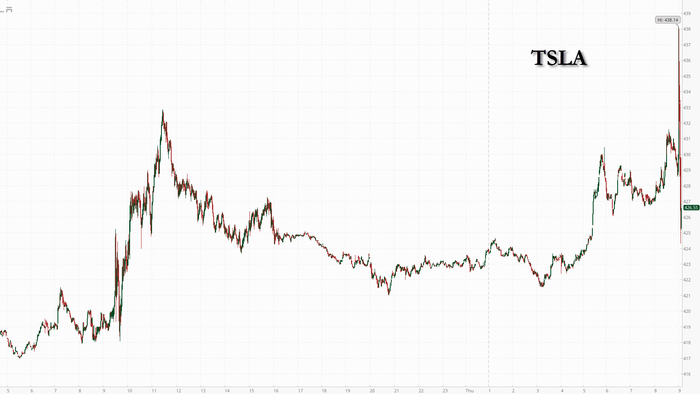
Tesla just made a lot of analysts look very conservative. The company’s Q2 2026 vehicle delivery numbers landed roughly 74,000 units above what Wall Street had projected, a margin wide enough to qualify as a statement rather than a rounding error.
What happened, and why the gap matters
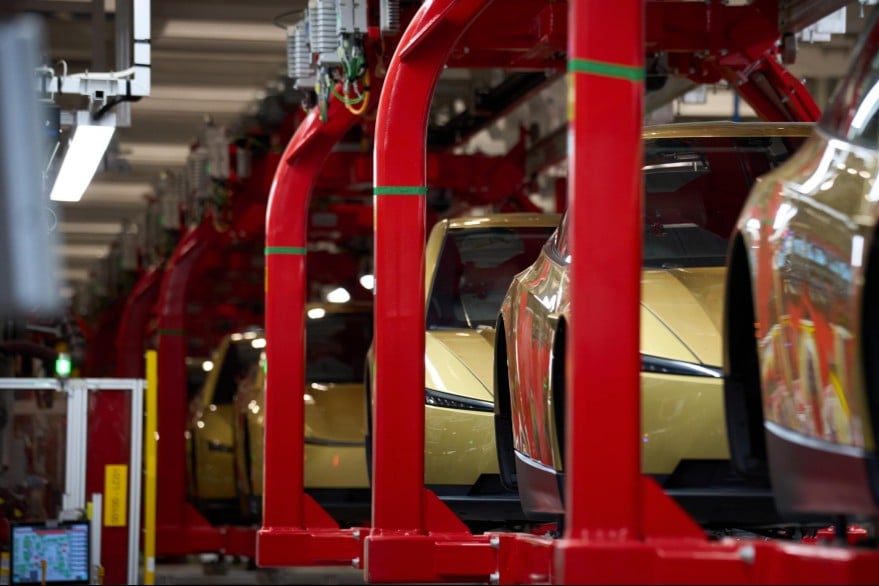
Tesla’s factories have faced questions about throughput, its brand has navigated turbulence tied to Musk’s public profile, and the broader EV sector has dealt with softening consumer enthusiasm in several major markets. Beating by this magnitude in that environment is a different kind of beat than clearing a low bar on a calm day.
For equity investors, the delivery number functions as the most direct leading indicator of quarterly revenue. More vehicles delivered means more recognized revenue, which flows into gross margin calculations that the market watches obsessively.
The Musk factor and crypto’s indirect exposure