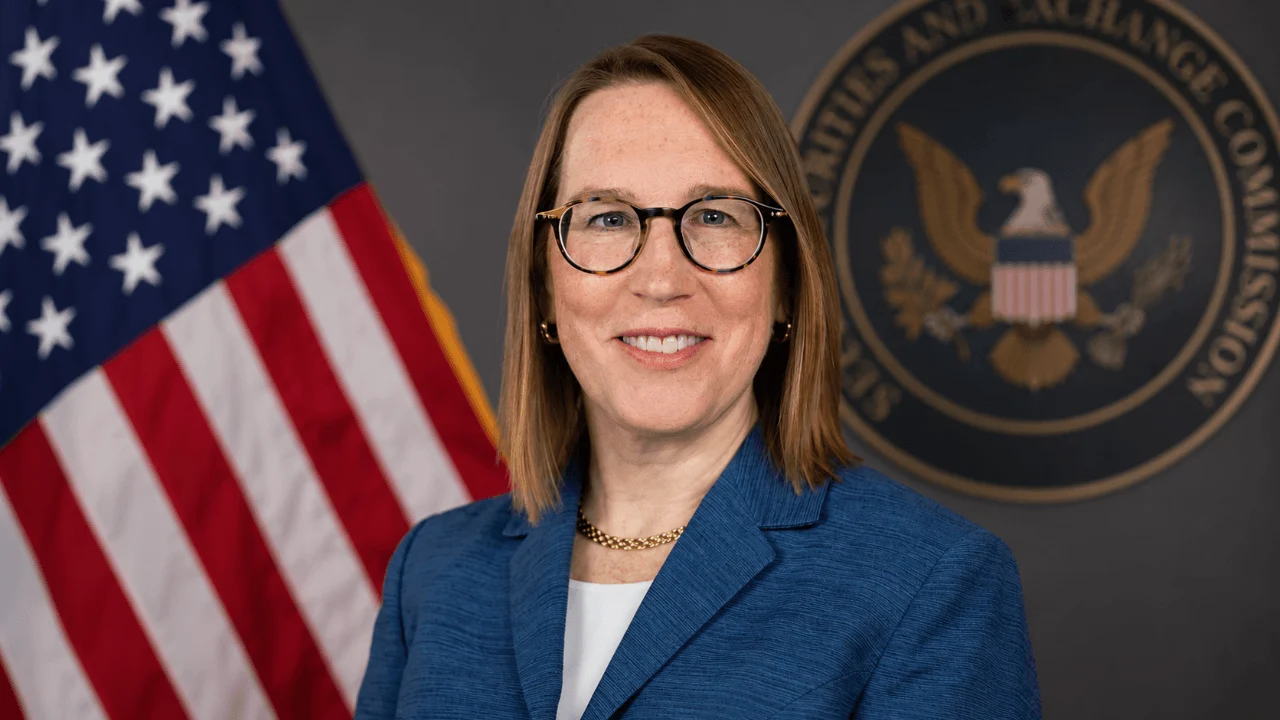
DeFi platforms, often heralded as the antithesis to traditional finance, might not be as exempt from regulatory oversight as their developers might hope. In a recent statement by the SEC’s Hester Peirce, commonly regarded as ‘Crypto Mom’ for her usually pro-innovation stances, some DeFi arrangements could potentially be roped into securities regulations.
In a statement aptly titled “Headstands and Summervaults: A Statement on Crypto Vaults and Lending Strategies,” Peirce emphasized that the designation of decentralized finance (DeFi) vaults and onchain lending solutions as securities isn’t out of the realm of possibility. The core of the issue lies in how these platforms are structured and managed. If they operate in a manner where there is an expectation of profit derived from the efforts of others, they may indeed meet the criteria laid out in the Howey Test, the pivotal means of determining what constitutes a security.
The devil in the DeFi details
Peirce’s statement suggests that DeFi platforms like Yearn Finance, which provide yield aggregation, and Aave, known for its onchain lending, could be in regulatory crosshairs. The roots of the concern lie in the degree of human discretion involved. Simply operating on-chain doesn’t grant immunity from the law. If the platform can be likened to a common enterprise, then users might simply be viewed as investors expecting a return from managerial efforts—hitting the trifecta for security status.