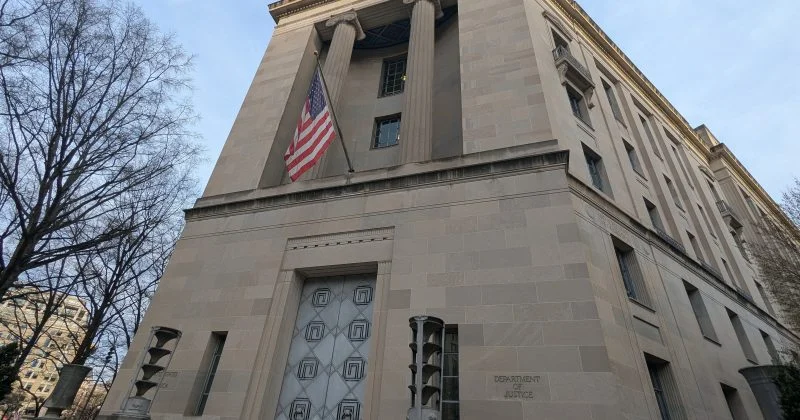
In a surprising twist, the Justice Department has raised concerns about the Clarity Act’s impact on prosecuting money laundering cases within the cryptocurrency sector. This follows the recent introduction of the Digital Asset Market Clarity Act, or CLARITY Act, which was designed to bring order to the often chaotic world of crypto regulation.
While the goal of the CLARITY Act is to demystify the roles of regulatory bodies and classify digital assets, the Justice Department’s concerns center around its potential to make pursuing money laundering cases more challenging. The act assigns the Commodity Futures Trading Commission (CFTC) as the lead authority over digital commodities integral to blockchain systems. This clarity is intended to streamline regulatory oversight but could muddy the waters in terms of legal prosecutions.
Breaking down CLARITY
Introduced to Congress on May 29, 2025, the CLARITY Act aims to set definitive guidelines for the treatment of digital commodities, investment contracts, and permissible stablecoins. The bill has already cleared several legislative hurdles, including gaining approval from the House Financial Services Subcommittee and a 15-9 vote in a Senate Banking Committee markup as of May 14, 2026.