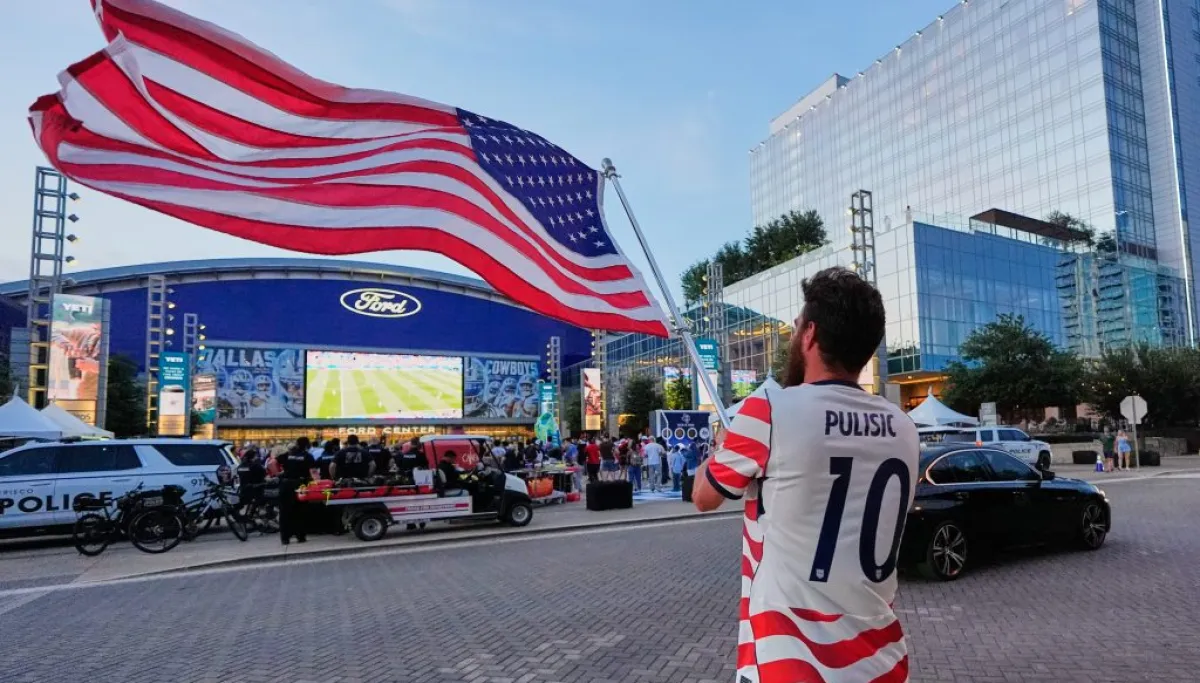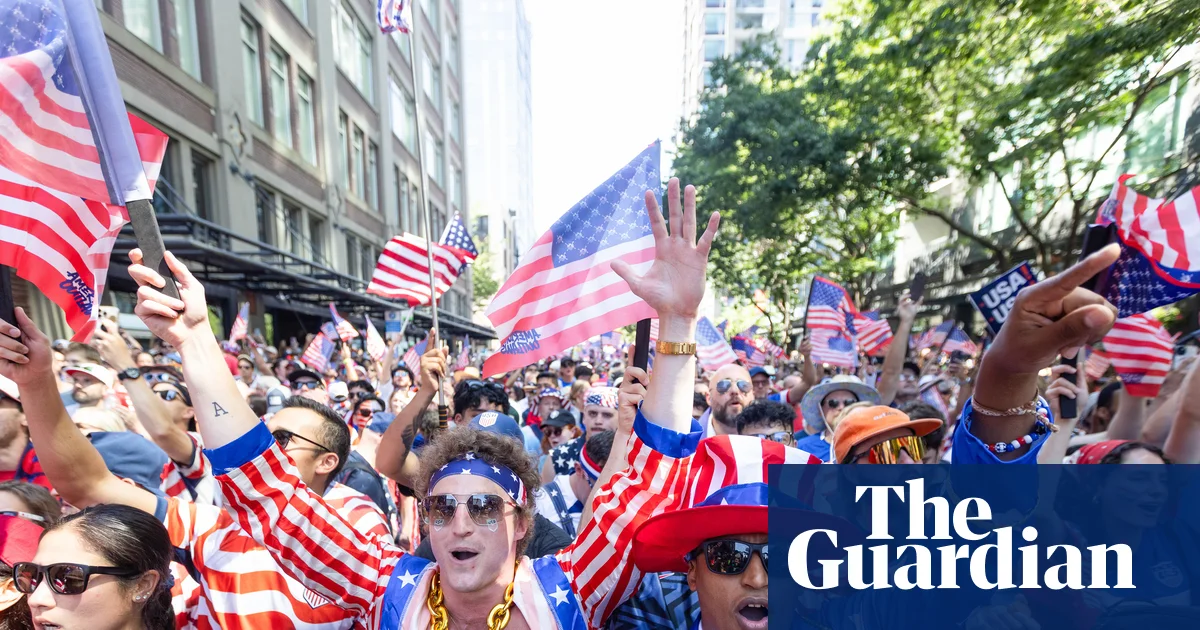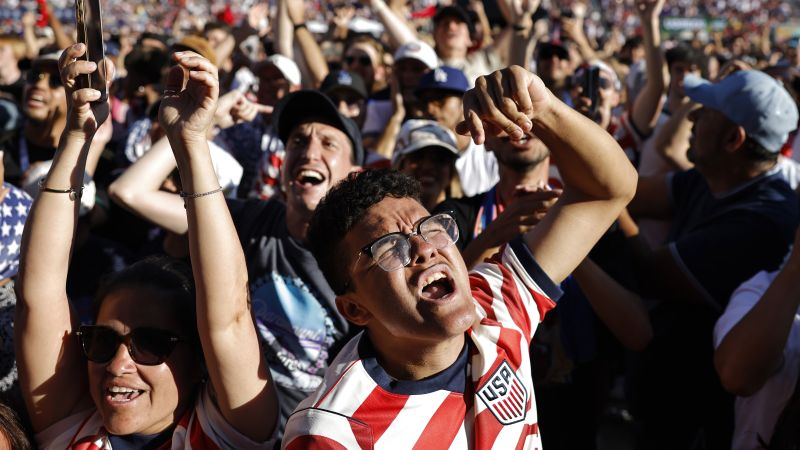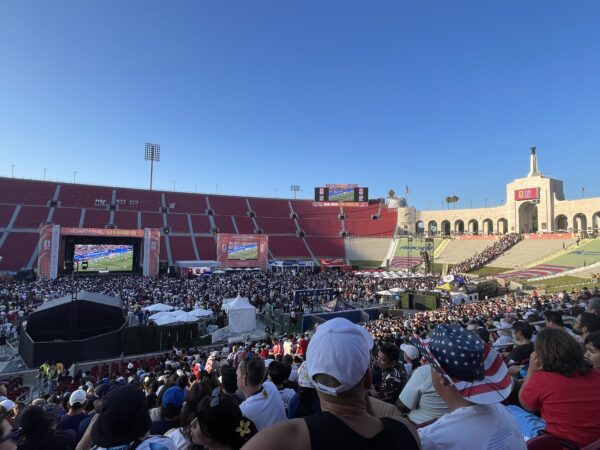
Some of the World Cup’s most revealing American moments came before and after U.S. matches. Players and tens of thousands of fans stood with hands over their hearts to sing the national anthem. After U.S. victories, they joined in “Take Me Home, Country Roads,” filling stadiums with a song about returning home.
The United States has not overcome polarization. A stadium is not a nation, and a song is not a political settlement. But as the World Cup comes to an end, the tournament offers an opportunity to look again at a country usually described through decline, dysfunction, and social fragmentation. It displayed great wealth, organizational capacity, and a sense of national belonging that American politics has not destroyed.
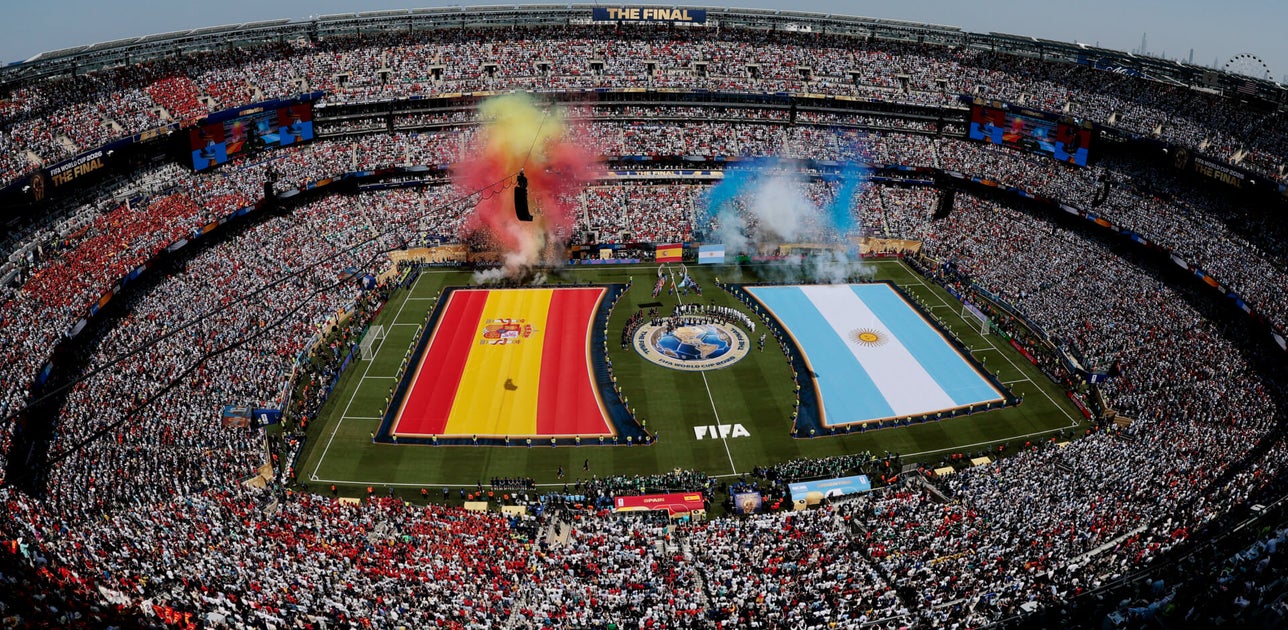
The United States hosted the tournament across 11 metropolitan areas largely through stadiums, airports, highways, and service systems it already possessed. Despite high ticket prices, demand remained intense; FIFA reported that stadiums were 99.6 percent full after the first 44 matches. Many visitors from Europe remarked on the scale and abundance of ordinary American life: large homes and cars, enormous supermarkets and sports facilities, reliable air-conditioning, free refills, and round-the-clock conveniences Americans barely notice.