Life expectancy has risen dramatically over the past century — reaching 73.8 years — thanks to steep declines in infectious diseases, maternal and child mortality, and advances in the prevention and treatment of chronic conditions.
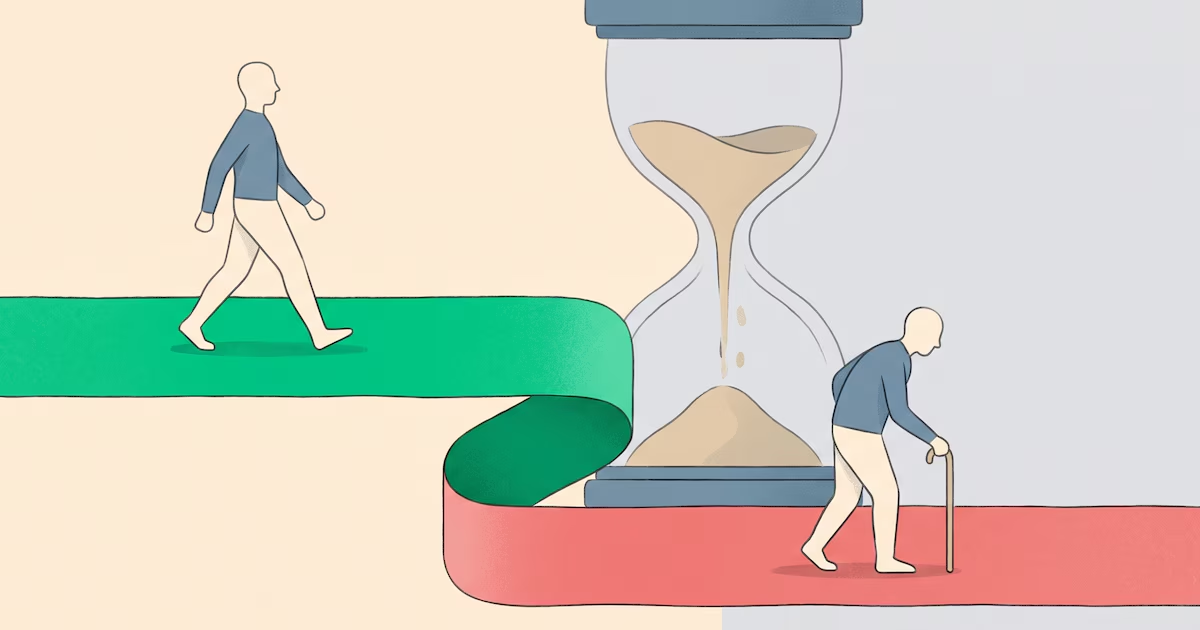
However, the years gained are not necessarily lived in good health, a new study, published in The Lancet Public Health, found. With gains in life expectancy outstripping improvements in healthy life expectancy across almost all 204 countries and territories analysed, the authors argue that health systems need to shift their focus from simply extending lives to improving the quality of those extra years.
Globally, people spent an average of 14.5% of their lives in poor health in 2023, with longer life expectancy increasingly accompanied by non-fatal illnesses and disabilities, researchers found.
Countries where people lived the longest also saw more years spent in poor health, suggesting that longer life expectancy is extending the period of illness and disability across adulthood rather than delaying it until the final years of life.
In 2023, people in the wealthiest countries spent 15.7% of their lives in poor health, while the sub-Saharan African super-region had the smallest morbidity gap, at 9 years.