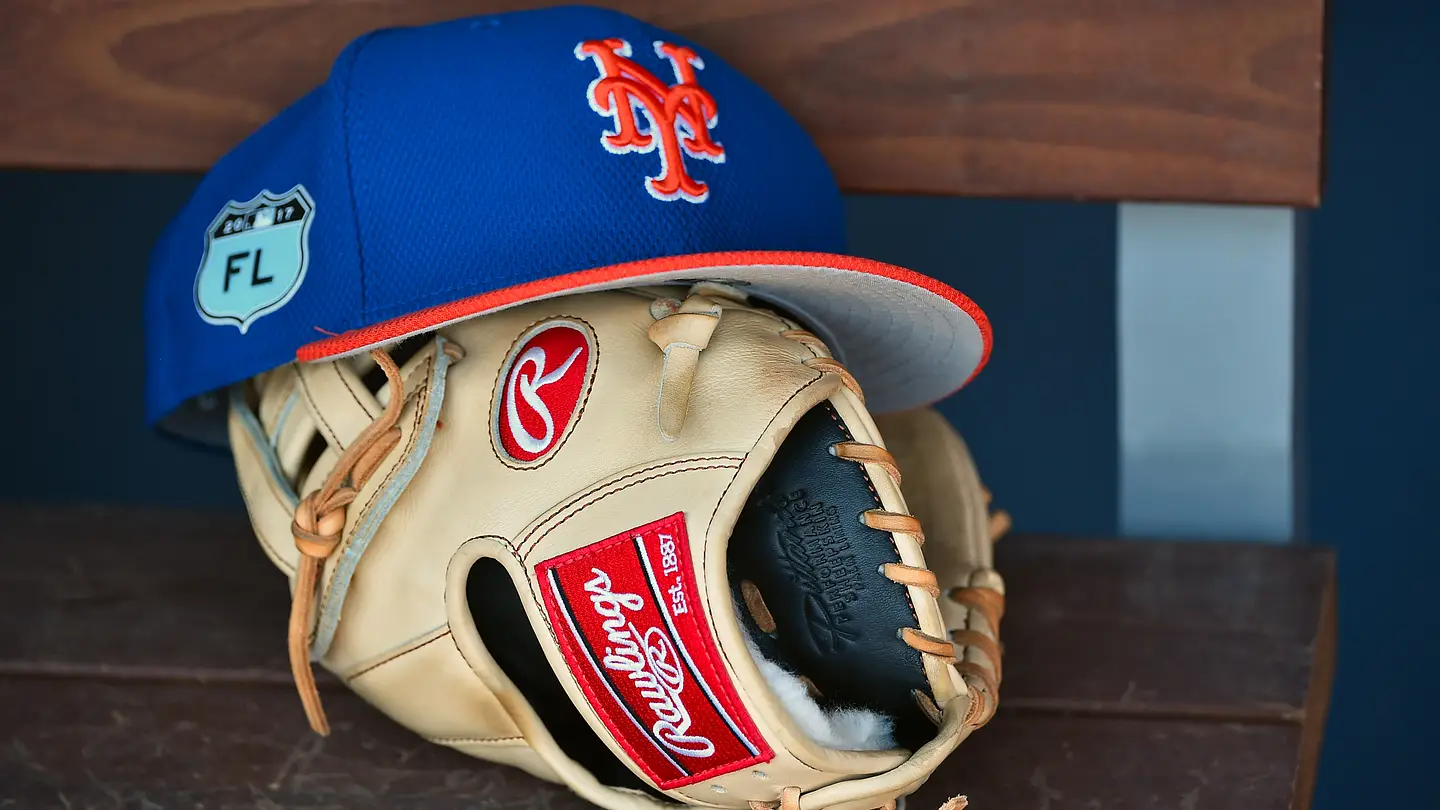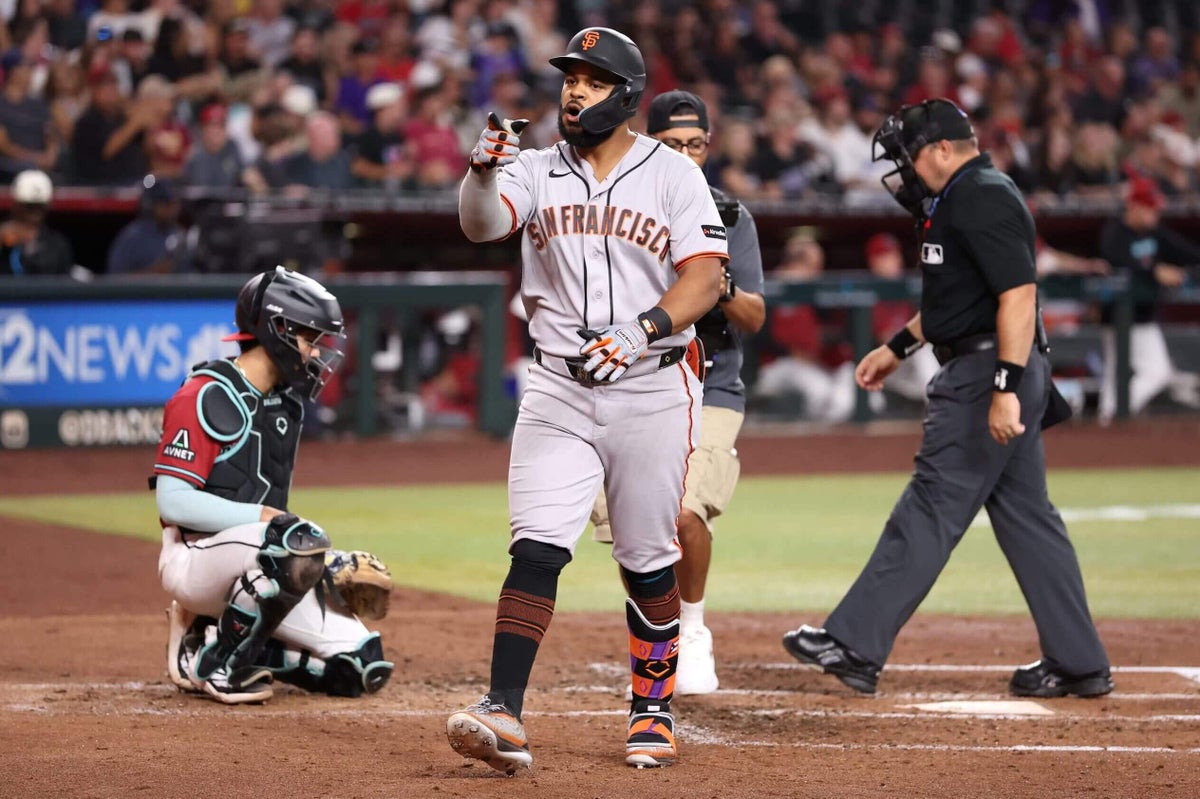
The New York Mets have officially opened their doors for business. Unfortunately for the Mariners, it may not come with smooth negotiations. According to Joel Sherman, the Mets do not plan to pay down contracts to facilitate trades at this year’s deadline. That’s a major departure from the approach they took in 2023, when owner Steve Cohen covered tens of millions of dollars to improve the returns for Max Scherzer and Justin Verlander.This time, players aren’t coming with free shipping, and interested teams will have to take on the players’ contracts. That creates an immediate problem for Seattle.We know the Mariners are looking for a right-handed bat and at least one established reliever. The Mets have the guys who could address both areas, but the most intriguing names come attached to significant financial commitments. Even if you include Bo Bichette, Luis Robert Jr., Devin Williams, and Luke Weaver, they all become substantially less appealing if Cohen isn’t helping with the bill.Mets’ Refusal to Eat Salary Complicates the Mariners’ Trade Deadline PlansSeattle has room under the luxury-tax threshold, but that doesn’t mean the front office is ready to completely open the checkbook.The Mariners entered the season with a payroll around the organization’s expected limit, and they already have major commitments to Julio Rodríguez, Josh Naylor, Cal Raleigh, Colt Emerson and Luis Castillo. Adding another expensive contract requires ownership approval and could create complications beyond the next two months.That makes Castillo the most obvious path to a larger deal with the Mets. Seattle is reportedly more willing than ever to trade from its starting rotation, with Castillo the veteran it would prefer to move. He’s owed $24.15 million in 2027 and has a $25 million vesting option for 2028. Trading him would move the Mariners back to the traditional five-man rotation they clearly love, and it would also create room for the potential relief role they’ve hinted at for Kade Anderson down the stretchLogically, the concept makes sense. The Mariners send out Castillo’s money and use that payroll space to acquire a hitter, reliever or both from New York.The problem is if they can get the Mets to participate. They’re selling because their expensive roster has failed spectacularly this season. The organization wants to cut payroll, avoid additional luxury-tax penalties and add young talent. Taking Castillo would undermine the first two goals. He would give the Mets another veteran contract when they are trying to remove veteran contracts from their books.Castillo could still have value to them. Especially if the Mets are entertaining offers on Freddy Peralta. Starting pitching is always difficult to find, and the Mets aren’t expected to launch a long rebuilding project around Juan Soto and their young core. Castillo could stabilize their 2027 rotation and give them an experienced arm for a quick turnaround.But if New York views Castillo as another expensive veteran on the decline, the Mariners would need to add prospect value to make the exchange worthwhile. Seattle could end up paying twice, once through young talent and again by assuming one of the Mets’ contracts. That defeats much of the purpose.The Mets’ refusal to retain salary doesn’t eliminate Seattle as a trade partner. It makes the construction of a deal much more difficult. The Mariners are unlikely to absorb a major contract without sending money back, and Castillo is the clearest contract they can move without tearing apart the core of the roster.Add us as a preferred source on GoogleFollow
Mets’ Deadline Decision Could Price the Mariners Out of a Blockbuster Trade
The New York Mets have officially opened their doors for business. Unfortunately for the Mariners, it may not come with smooth negotiations. According to Joel S
575 words~3 min read