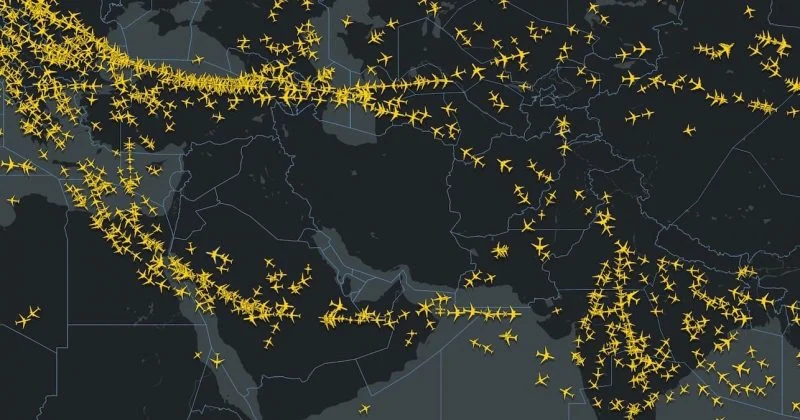
The European Union Aviation Safety Agency issued a Conflict Zone Information Bulletin on July 14, 2026, advising airlines to avoid Jordanian airspace after Iran launched ballistic missile and drone strikes against a US military base in the country. The bulletin, valid through late July, put the region in the same high-risk category EASA already applied to Iran, Iraq, and Lebanon.
What happened on the ground, and in the air
Iran’s strikes on July 14 marked a significant escalation in the broader 2026 US-Iran conflict. The targeted installation was a US air base in Jordan, a country that sits at the intersection of some of the busiest flight corridors connecting Europe to Asia and the Gulf.
EASA’s response was the reinstatement of its CZIB framework for the Middle East, covering not just Jordan but the broader Persian Gulf and Gulf of Oman airspace. The agency had previously issued similar bulletins as tensions rose through early 2026, but the July 14 strikes pushed the agency to act with renewed urgency.
The practical consequence for airlines is expensive. Rerouting flights around restricted Middle Eastern airspace adds hours to journeys, burns more fuel, and compresses already thin margins.