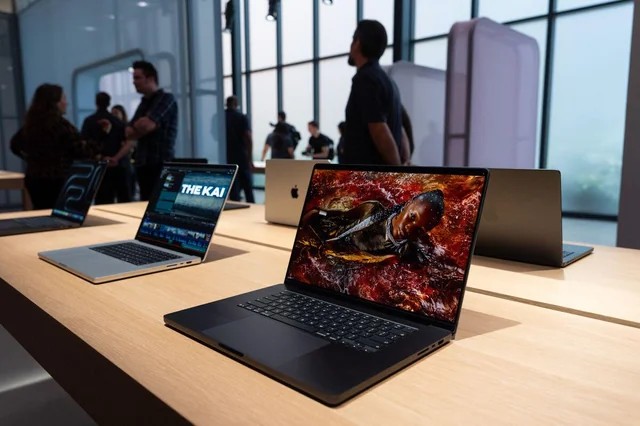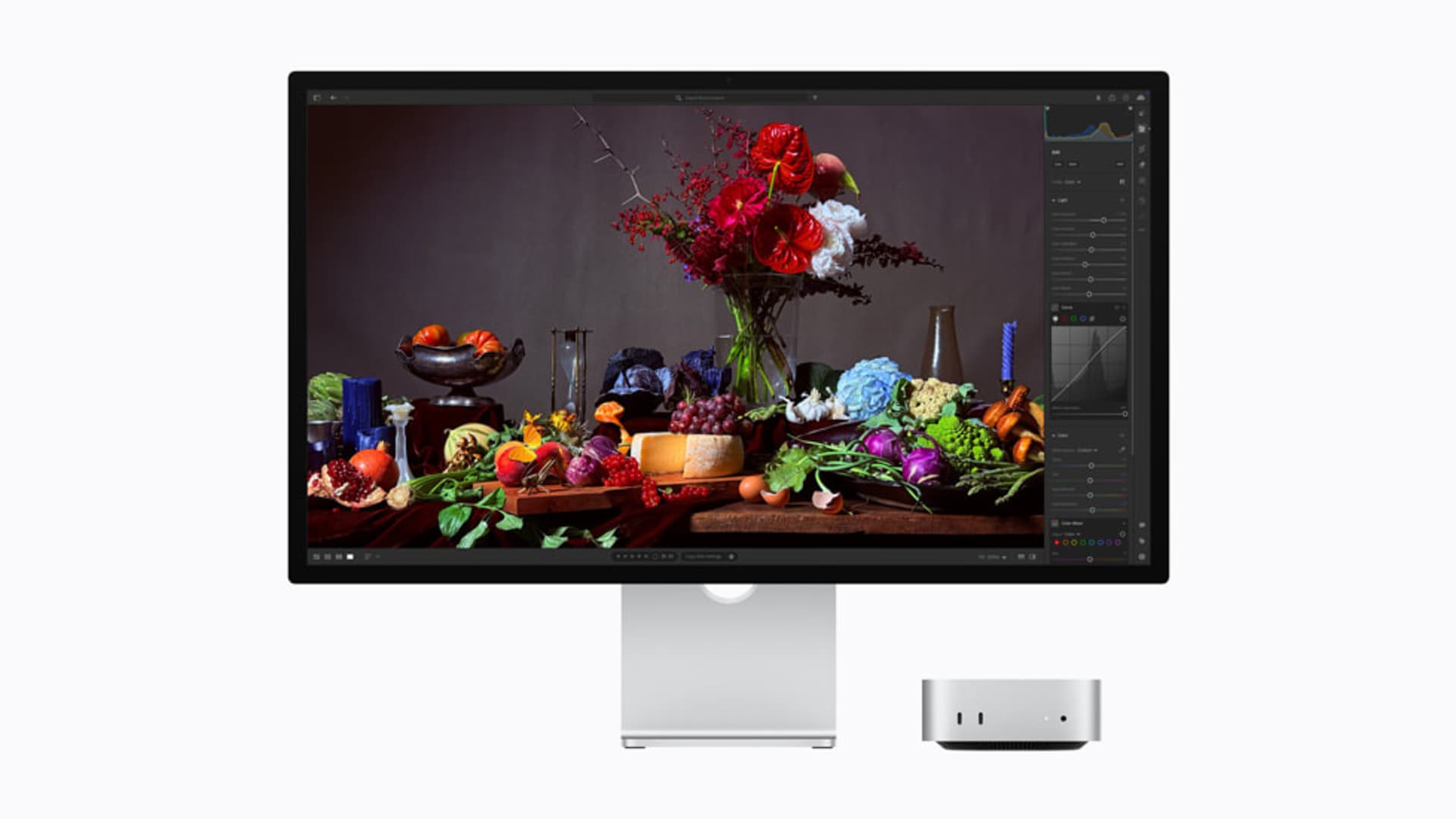
Apple is overhauling its entire Mac lineup, rolling out new models powered by M5-series chips across the Mac mini, Mac Studio, MacBook Pro, and iMac. The driving force behind the refresh isn’t the usual spec-bump cycle. It’s AI.
The OpenClaw effect and the memory crunch
A significant chunk of this demand traces back to OpenClaw, a local AI agent platform that runs particularly well on Apple hardware. The reason is architectural. Apple’s unified memory design, where CPU, GPU, and Neural Engine share the same pool of high-bandwidth memory, turns out to be almost perfectly suited for running large AI models locally.
The result has been a run on Apple’s higher-memory configurations. During an April 2026 earnings call, Tim Cook acknowledged the situation directly, noting that Mac mini and Mac Studio models were seeing multi-week wait times due to the AI-driven demand spike.
Reports indicate that the demand for high-memory Macs has contributed to global memory supply pressures, affecting the broader semiconductor ecosystem.