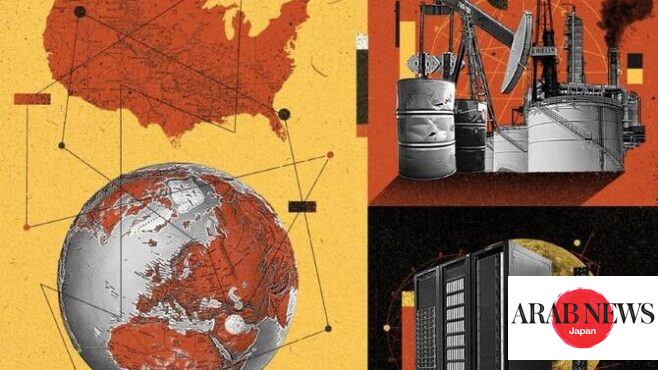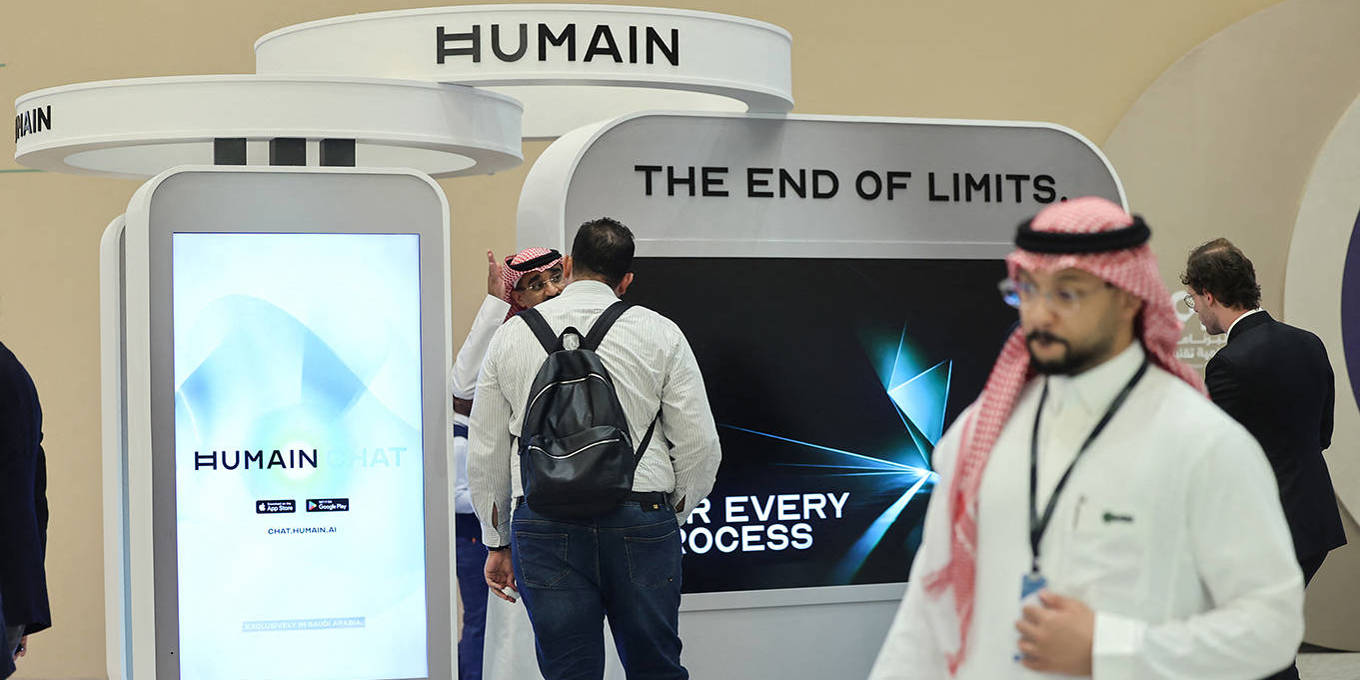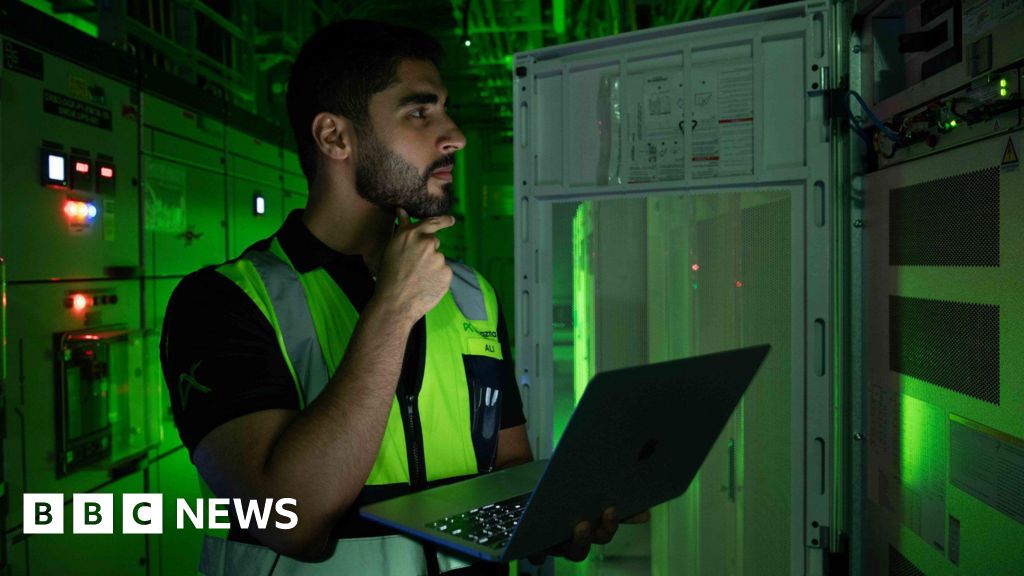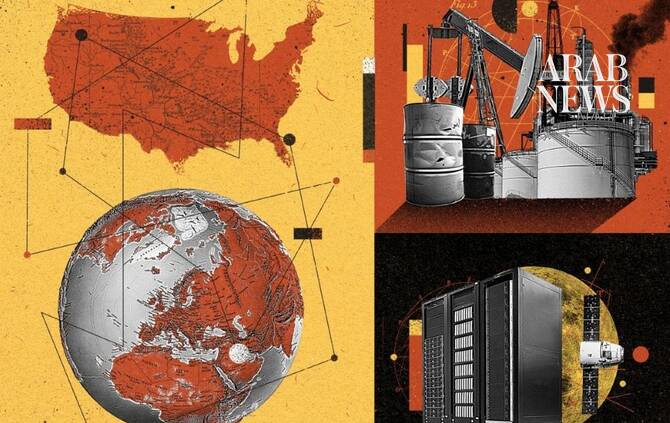
The Gulf’s importance in US calculations is no longer measured only in barrels of oil, shipping lanes, and military bases. With the rise of artificial intelligence, the states of the Gulf Cooperation Council (GCC) are emerging as partners in the physical infrastructure underpinning one of the most consequential technologies in the global economy.
US Secretary of State Marco Rubio’s recent tour of the Gulf made this shift unmistakable. Traditional security files, from Iran to freedom of navigation in the Strait of Hormuz, remain central, but they no longer suffice to explain the depth of the relationship between Washington and the Gulf capitals.
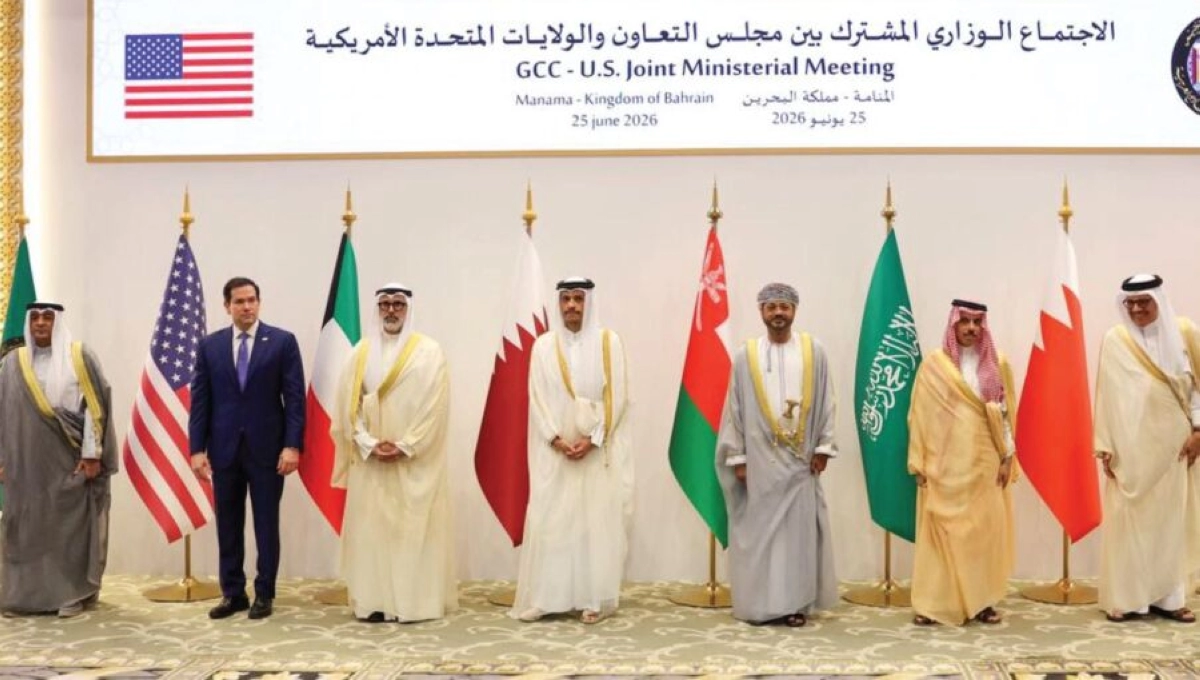
Rubio’s June tour of the UAE, Kuwait, and Bahrain came at a sensitive moment in the region. It included a meeting in Bahrain with the foreign ministers of the GCC states, where the two sides reaffirmed their strategic partnership, Gulf security, and freedom of navigation, while stressing the need to address Iran’s missile programme and regional role.
On the surface, the visit looked like an extension of traditional US policy in the region, founded on reassuring allies, protecting maritime corridors, and monitoring regional balances. Yet viewing the visit through that lens alone leaves the picture incomplete.