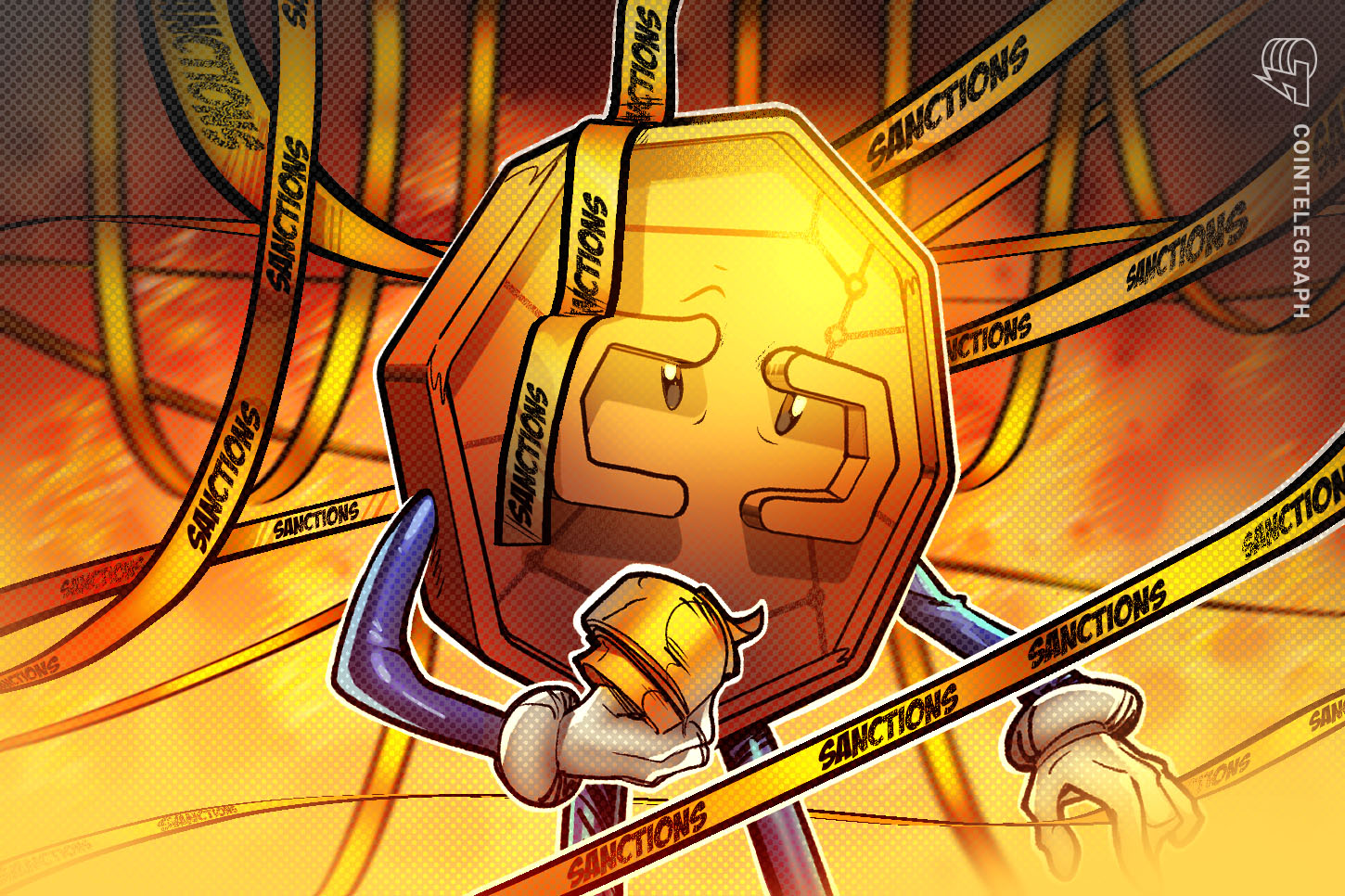
When the UK slapped sanctions on Huobi Global S.A., the parent entity behind crypto exchange HTX, back in late May, the expectation was that the designation would meaningfully restrict the platform’s ability to operate. Instead, HTX appears to have responded with a strategy best described as “catch me if you can.”
According to blockchain analytics firm TRM Labs, HTX has been rapidly rotating its hot wallets and funding addresses across multiple blockchains, sometimes retiring and replacing them multiple times in a single day. The goal is straightforward: make it functionally impossible for compliance teams at other exchanges, banks, and payment processors to screen transactions against a static list of sanctioned addresses.
A continuous moving target
The UK sanctioned Huobi Global S.A. on May 26, 2026, citing allegations that the exchange facilitated over $1.5 billion in financial flows linked to Russian sanctions evasion networks. Those networks reportedly included the A7 network and Garantex, a Russian exchange that has been a recurring headache for Western regulators.
In the weeks since, through at least mid-July 2026, TRM Labs has tracked HTX cycling through wallet addresses at a pace that renders conventional sanctions enforcement nearly useless. The firm described the exchange’s wallet strategy as a “continuous moving target.”