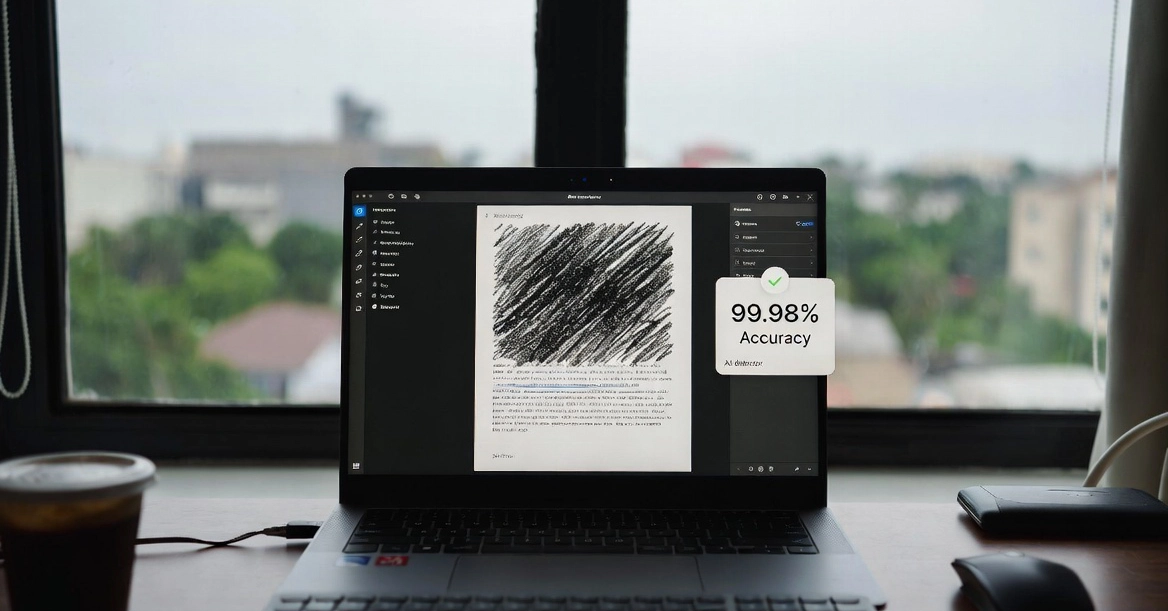
Substack has a name for the moment you realise a post you admired for its human voice actually came from a bot: Claudefishing. Now it is handing readers a button to catch it, powered by the AI detector Pangram.
The newsletter platform has launched an AI-detection feature. In a pointed post titled “Against Claudefishing,” chief executive Chris Best said readers can now scan posts, notes, replies, and comments. The tool estimates how much of the text a person wrote, and how much came with AI assistance.
The scan works on text longer than 100 words, published from today onward, and the result shows only to the person who asks for it. It is live on the web and iOS, with Android to follow.
What Claudefishing means
Best is careful to say the problem is not AI itself. Substack uses AI to build software and product features, he noted, and plenty of writers lean on it thoughtfully. The problem is the mismatch: readers investing their attention in something with no human thought behind it. “Claude has a lot to offer,” he wrote. “But when I want Claude’s opinion, I’ll ask Claude.”