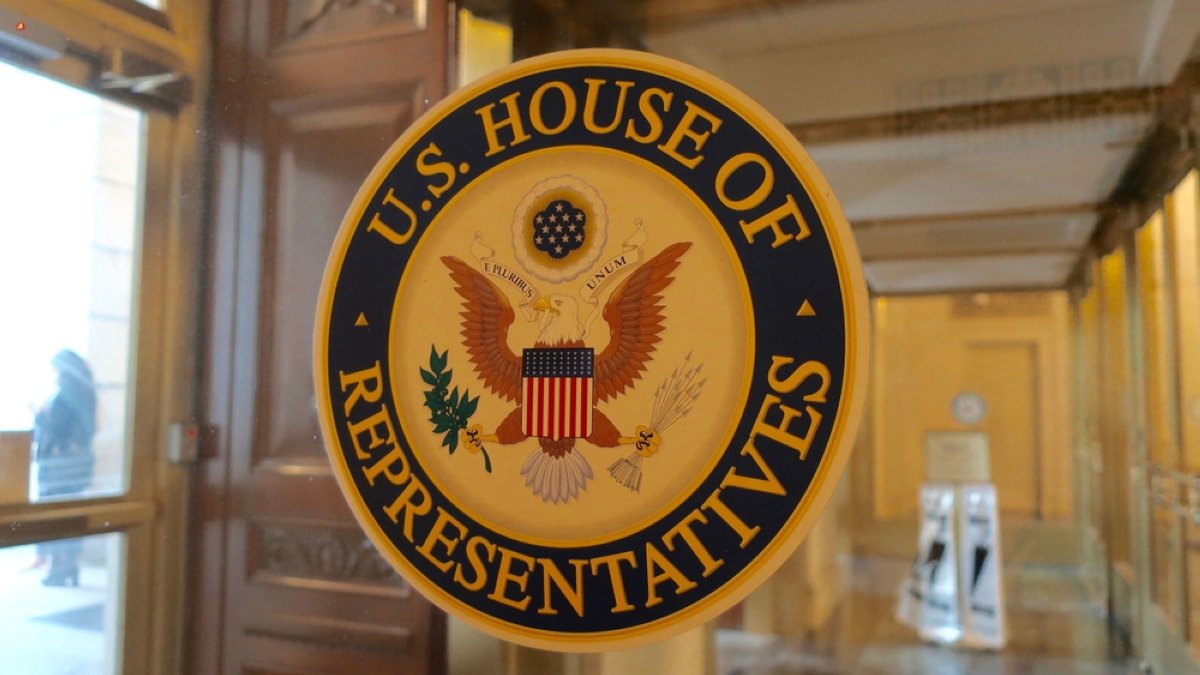
The House is preparing to vote on the Fiscal Year 2027 National Defense Authorization Act (NDAA) with Section 219 (formerly section 224) still embedded in the roughly $1.1 trillion bill. The House approved the rule governing debate on H.R. 8800 by a 214-211 vote Tuesday, July 21. The vote allowed the chamber to proceed with the NDAA but excluded the amendment from Reps. Thomas Massie (R-Ky.) and Ro Khanna (D-Calif.) that would have removed Section 219. Lawmakers will not receive a separate vote on the bipartisan amendment that sought to remove the section, a proposal to expand U.S.-Israel defense technology cooperation that has garnered strong rebukes in certain political and defense circles. The House expects to hold a recorded vote on the complete NDAA on Wednesday.
What Section 219 Would Do
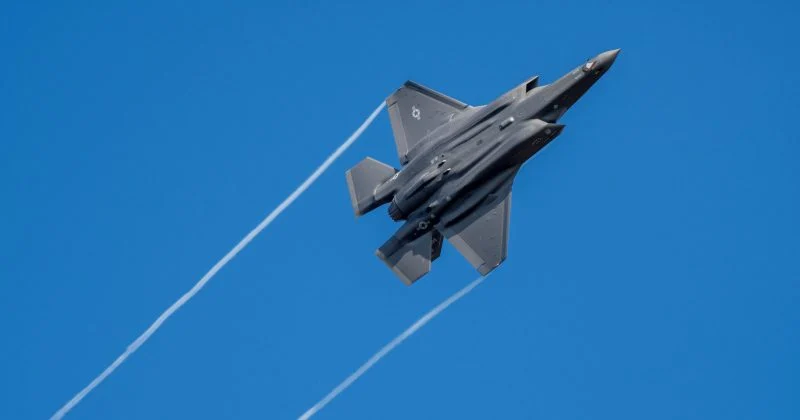
Section 219 would direct the defense secretary to designate a Pentagon “executive agent” to oversee the United States-Israel Defense Technology Cooperation Initiative. That official would coordinate bilateral defense research, development, testing, evaluation and industrial cooperation. The proposal originated as the bipartisan, bicameral United States-Israel FUTURES Act, introduced in the House by Reps. Ronny Jackson (R-Texas) and Don Davis (D-N.C.) with companion legislation from Sens. Ted Budd (R-N.C.) and Kirsten Gillibrand (D-N.Y.). Jackson framed the proposal as a way to preserve America’s technological advantage and deliver new battlefield capabilities to service members. Davis emphasized its potential to prepare troops for evolving threats, particularly unmanned systems and electronic warfare. Sens. Budd and Gillibrand have similarly presented the initiative as an expansion of existing work on missile defense, drones, and underground threats as a means to strengthen American military and technological capabilities.