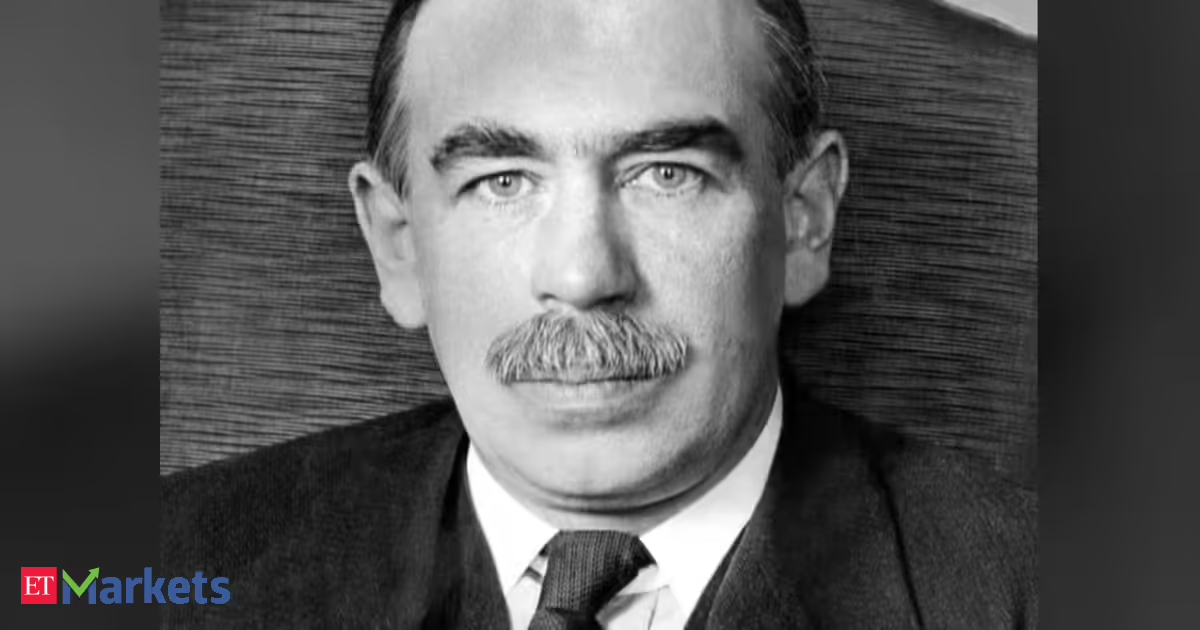
"Speculators may do no harm as bubbles on a steady stream of enterprise. But the position is serious when enterprise becomes the bubble on a whirlpool of speculation." — John Maynard KeynesUnderstanding Keynes' MessageFew quotes capture the dangers of financial excess as powerfully as this observation from renowned economist John Maynard Keynes. At its core, the quote distinguishes between healthy speculation, which can coexist with productive economic activity, and excessive speculation, which begins to dominate markets and disconnects them from underlying business fundamentals.The Role of Healthy SpeculationKeynes argues that speculation, in moderation, is not inherently harmful. Financial markets need liquidity, risk-taking, and price discovery, all of which speculators can provide. As long as businesses remain focused on innovation, investment, and value creation, speculative activity remains a small part of the broader economic system.When Speculation Takes OverThe real danger emerges when speculation becomes the primary driver of market behaviour. In such an environment, investors chase momentum instead of fundamentals, asset prices become detached from intrinsic value, and businesses may prioritise short-term stock performance over long-term growth. Markets can then become vulnerable to sharp corrections as sentiment shifts.Why the Quote Still Matters TodayThe quote remains remarkably relevant in today's world of AI-driven rallies, meme stocks, cryptocurrencies, and algorithmic trading, where periods of exuberance can sometimes overshadow earnings, productivity, and economic realities. It serves as a reminder that sustainable wealth is ultimately created by productive enterprises—not by speculative frenzies.The Takeaway for InvestorsFor investors, Keynes' message is timeless: while market excitement can generate opportunities, long-term success is more likely to come from investing in businesses with strong fundamentals rather than chasing speculative bubbles. When enterprise leads and speculation follows, markets tend to remain healthy. When the reverse happens, instability often follows.
Quote of the day by John Maynard Keynes: "Speculators may do no harm as bubbles on a steady stream of enterprise. But the position is serious when enterprise becomes the bubble on a whirlpool of speculation"
John Maynard Keynes' quote highlights speculation's dual nature in markets. Healthy speculation supports enterprise, while excessive speculation can destabilize economies. Modern markets face risks as AI and cryptocurrencies can overshadow fundamentals.
287 words~1 min read