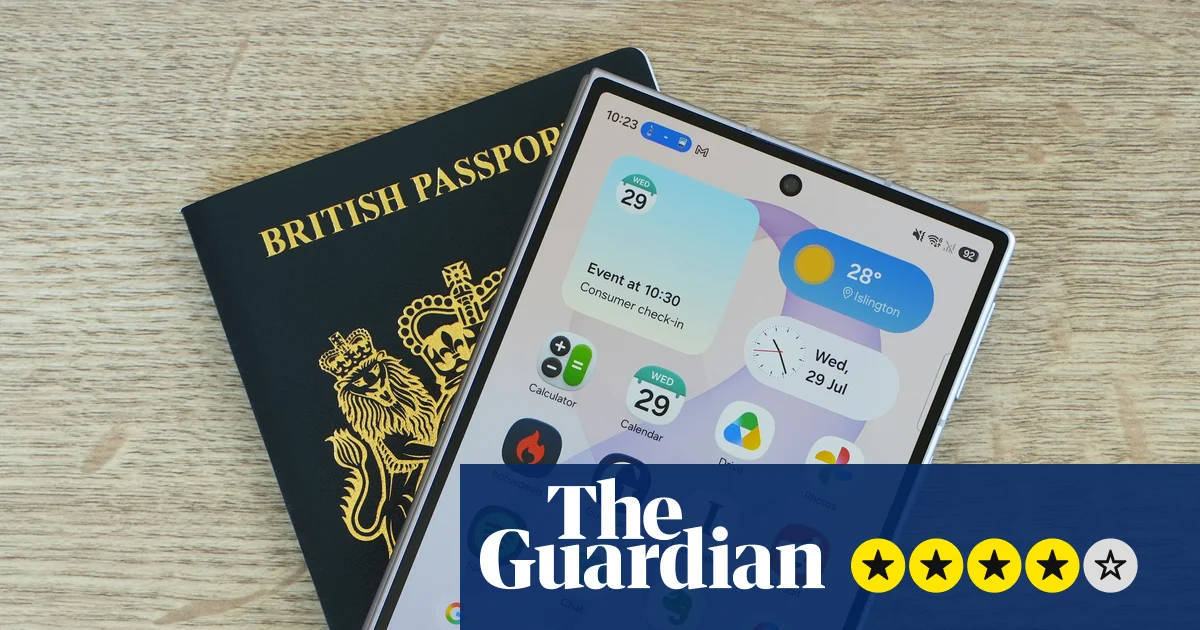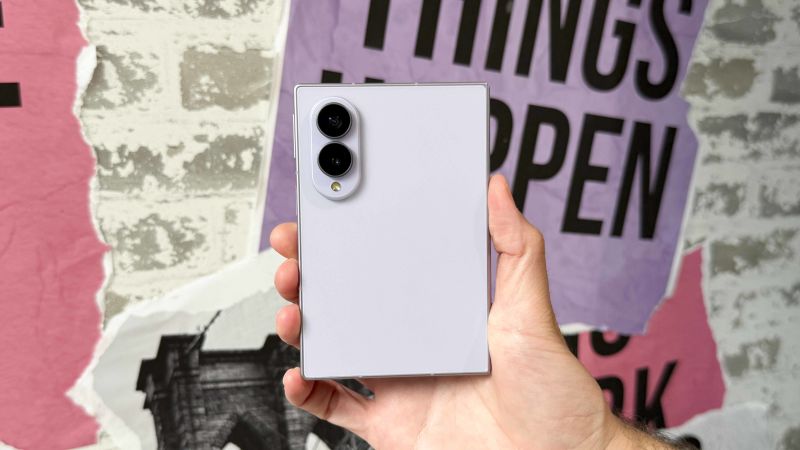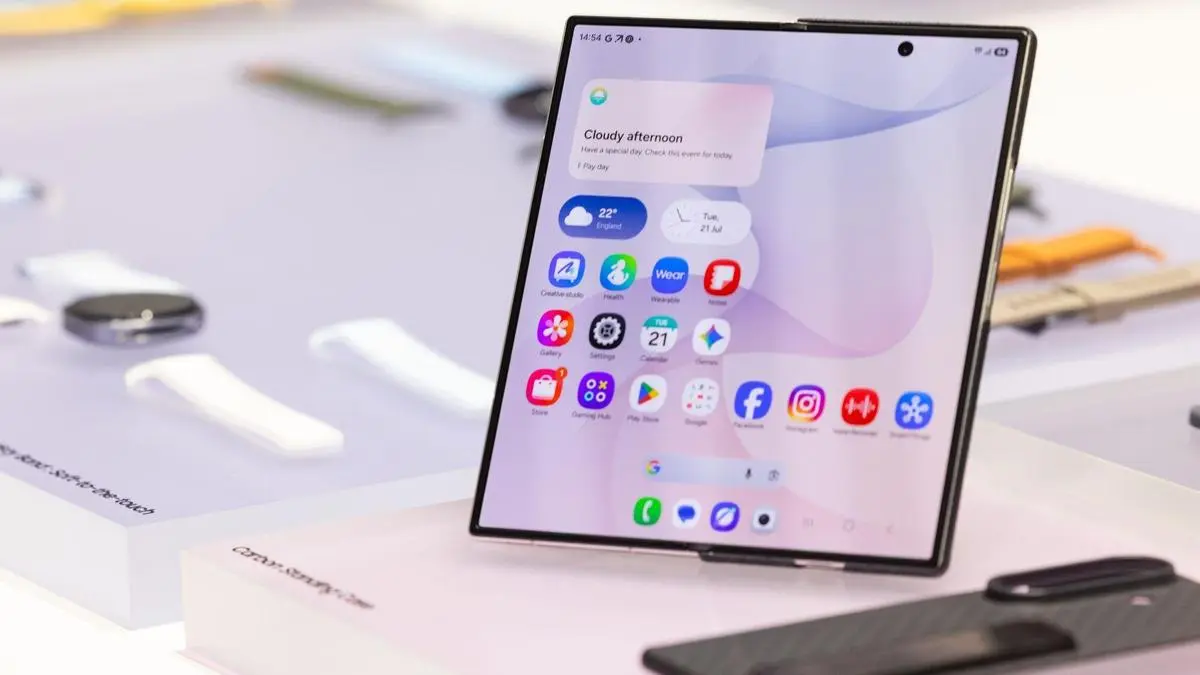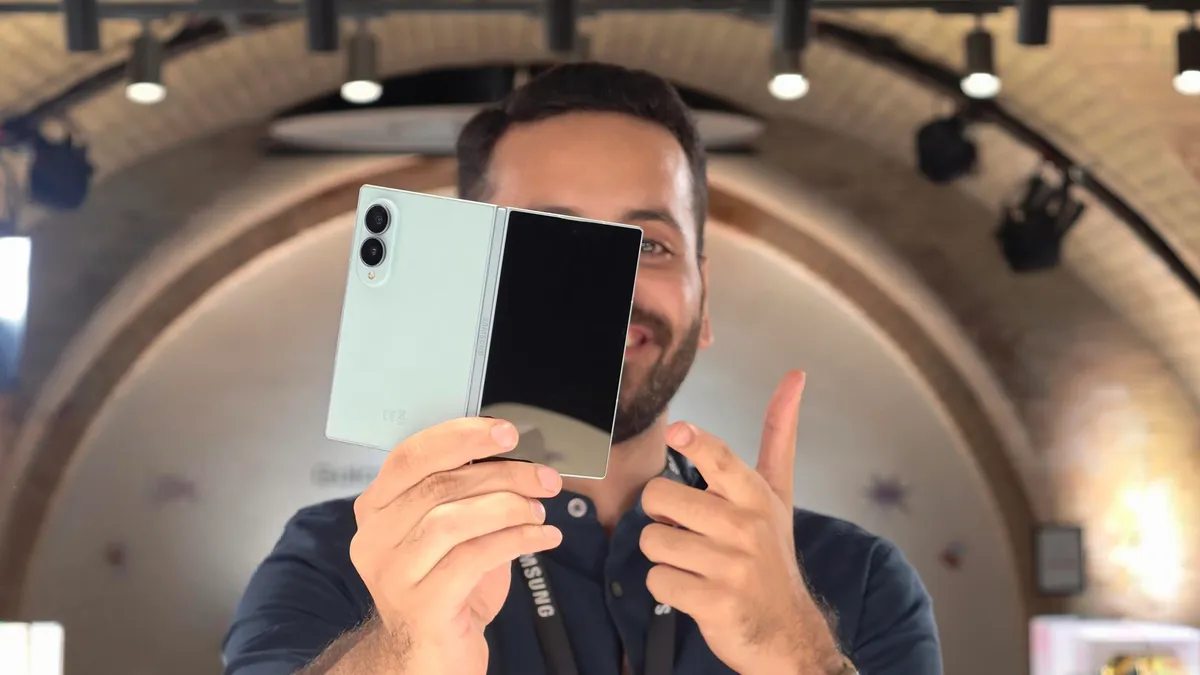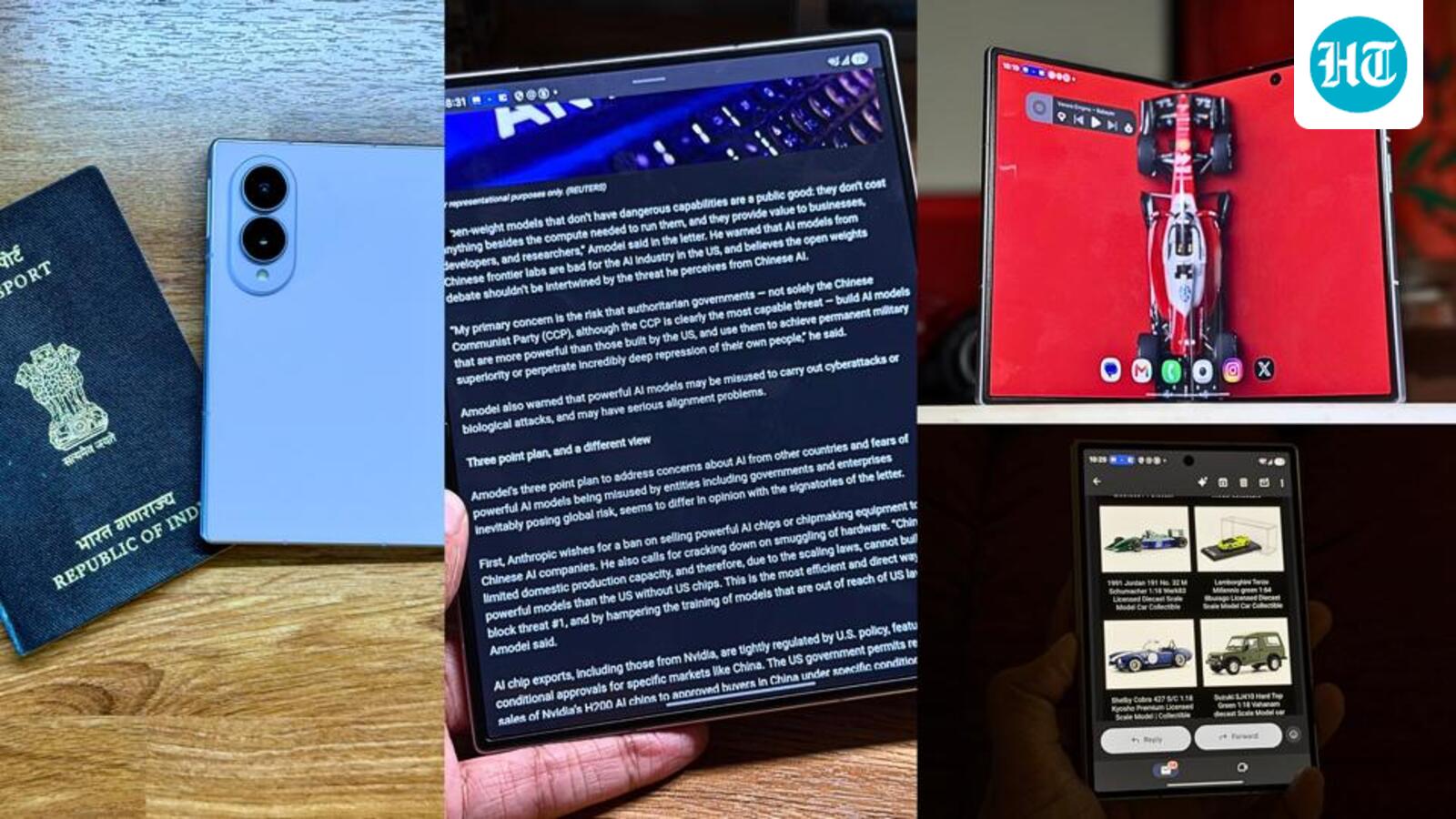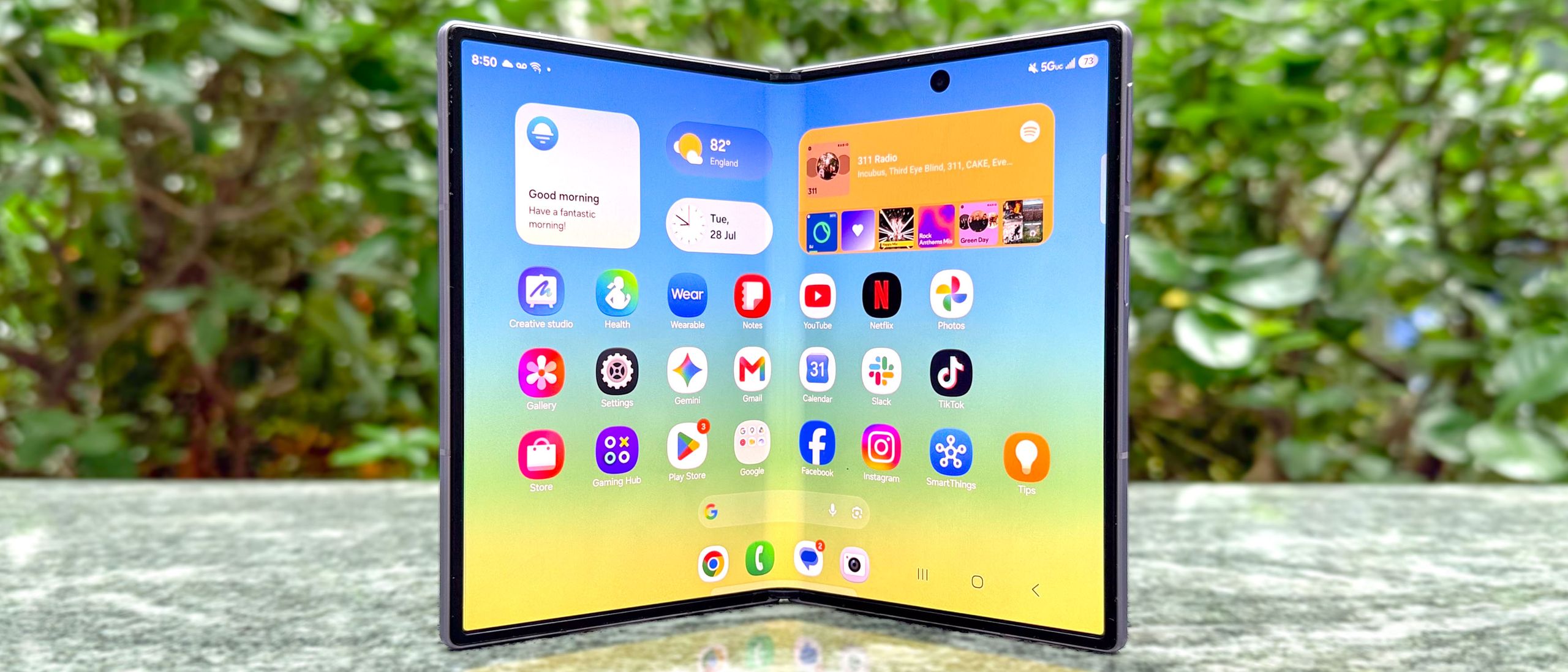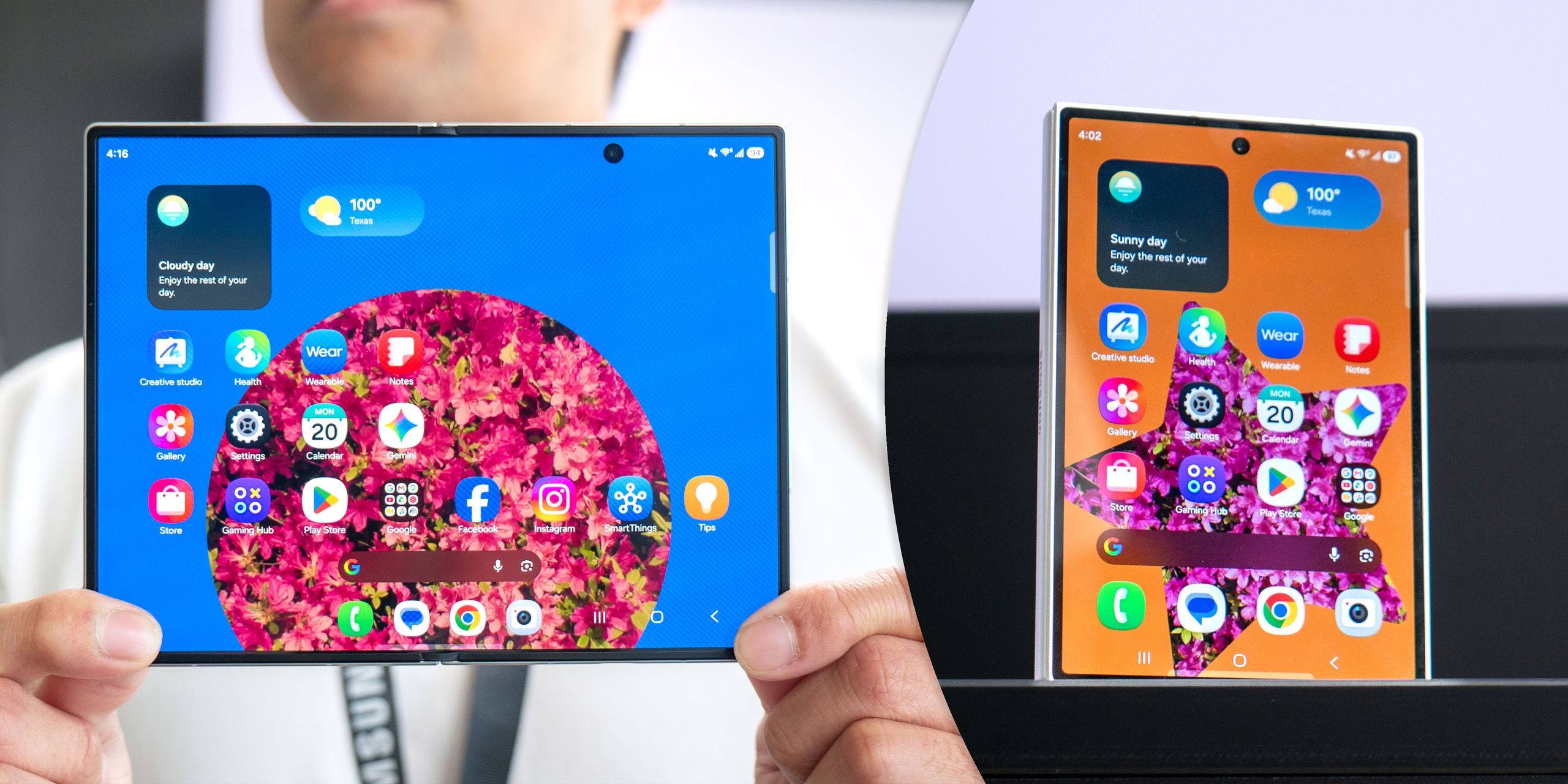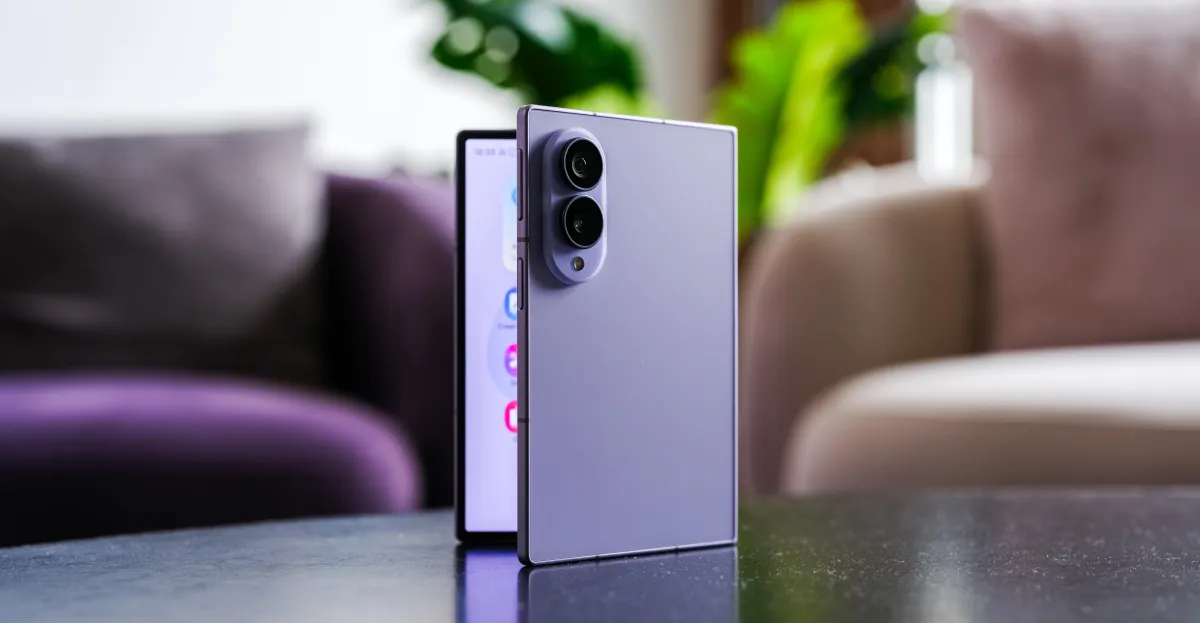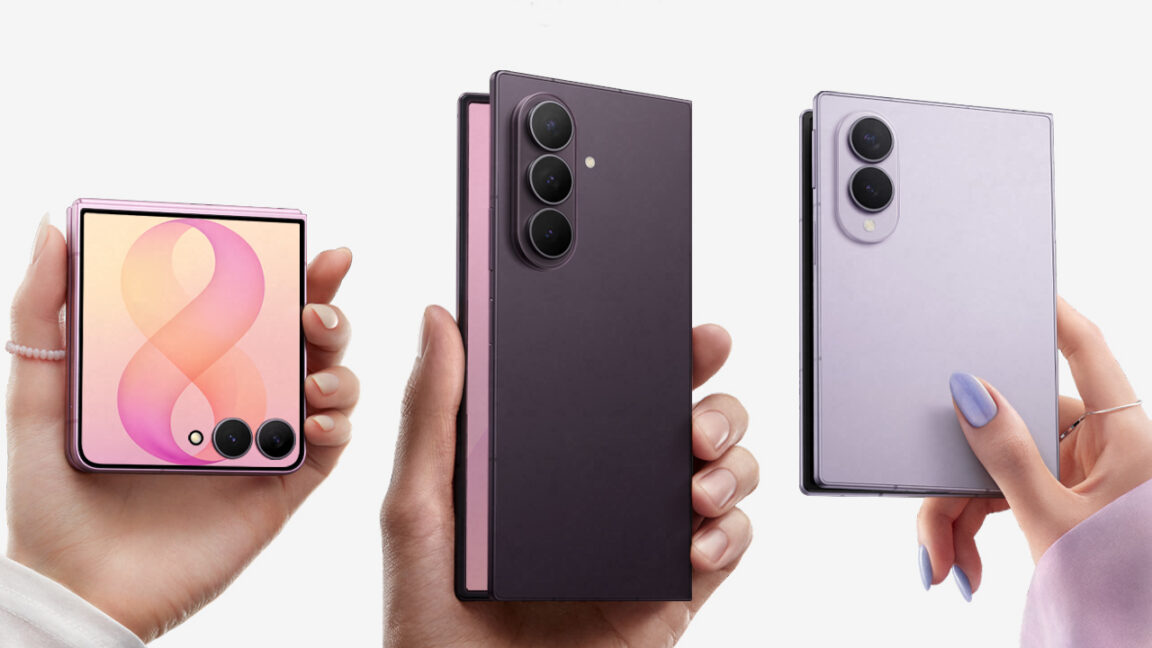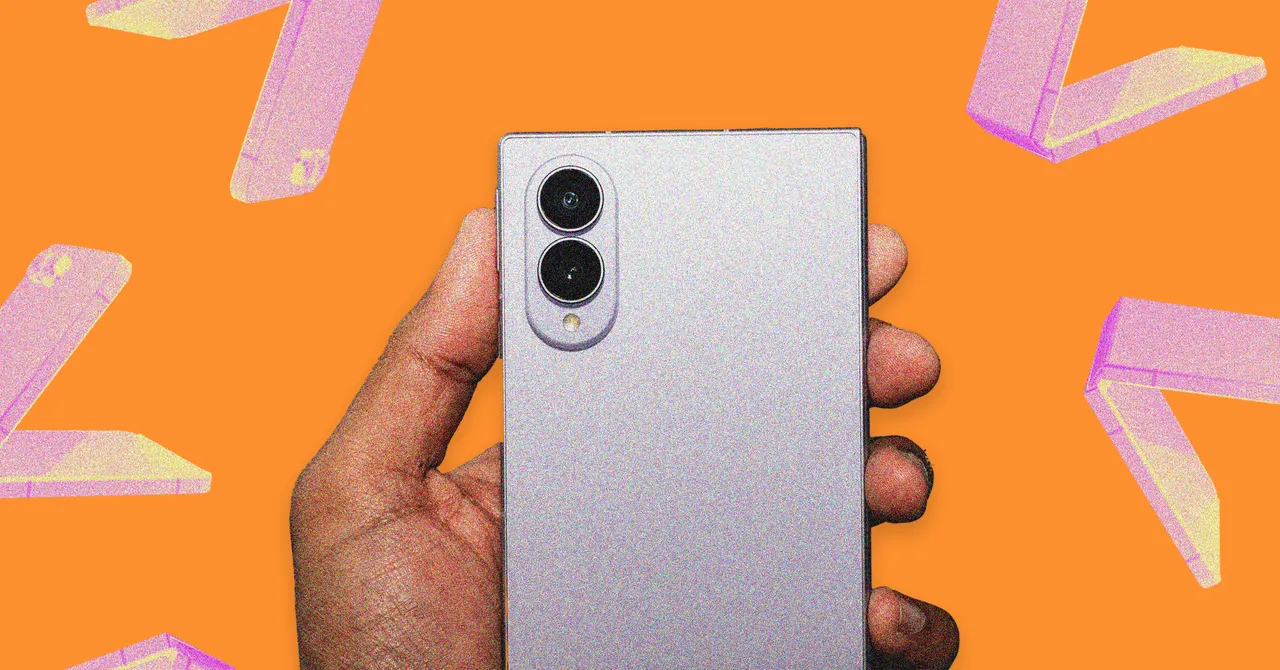
Jul 22, 2026 9:00 AMPeople spend hours watching videos on their smartphones. The wider, shorter, and lighter Galaxy Z Fold8 caters to exactly that.Photo-Illustration: Wired Staff; Julian ChokkattuThink “folding phone,” and Samsung probably comes to mind. The company has led the charge in the category since it debuted the first Galaxy Fold in 2019. It has refined the hardware of its Fold and Flip devices ever since, making them thinner, lighter, and stronger.So what's next? A new shape, apparently. On Wednesday, at its second Galaxy Unpacked event of the year, Samsung revealed a brand-new design for the Galaxy Fold8—a passport-shaped, book-like fold—which sits in between the now-rebranded Galaxy Z Fold8 Ultra and the compact Galaxy Z Flip8.Drew Blackard, Samsung's senior vice president of Mobile Product Management, says it's all about expanding the portfolio. The larger, heavier, big-screen Galaxy Z Fold8 Ultra caters to productivity-oriented folks, and the Flip8 satisfies anyone prioritizing portability, but the new Fold8 is all around consuming content.The new passport-style Galaxy Z Fold8.
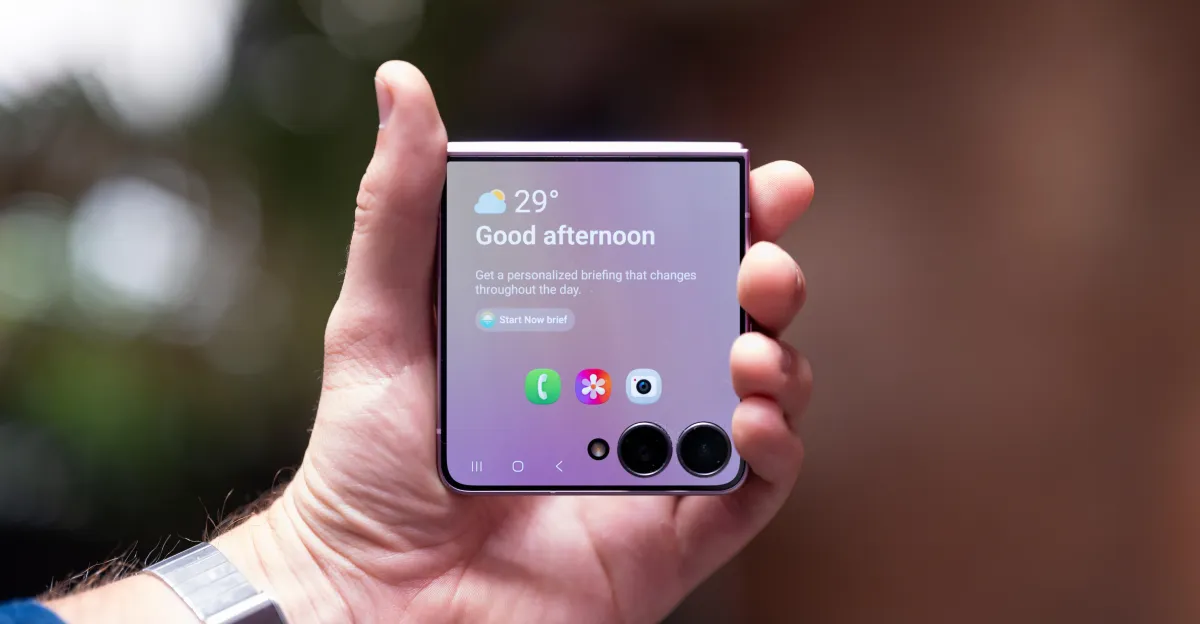
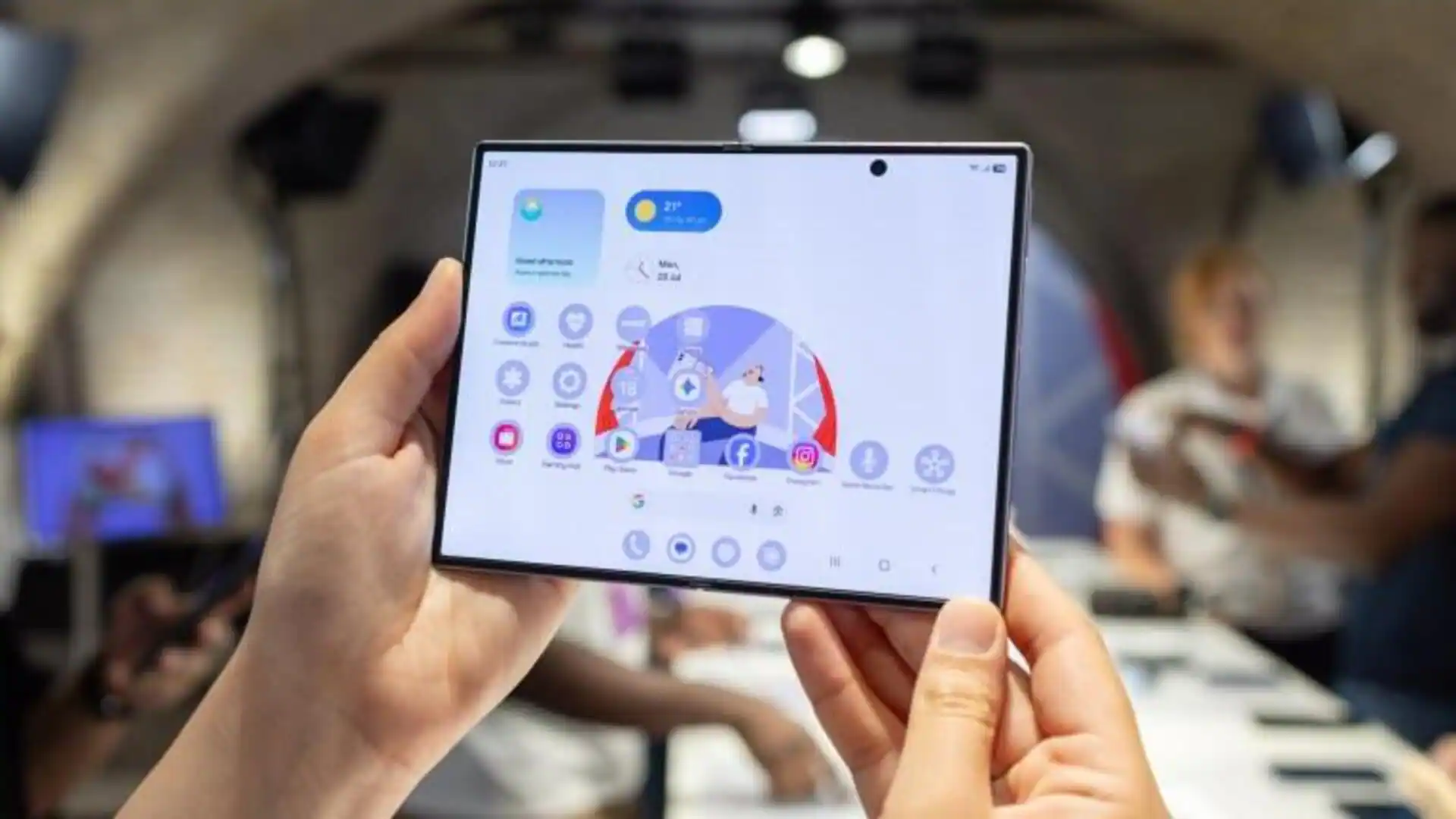
Photograph: Julian Chokkattu“One of the things we're seeing, in the past few years, is an explosive growth in mobile video watching,” Blackard tells WIRED. “Consumers watch 80 percent of their video on mobile devices now, not in front of a TV screen or tablet. The actual shape of the content has changed—you've gone from landscape view format for things like Netflix to vertical orientation for a lot of social media.”The new Fold8 has a 10:16 aspect ratio for the front cover screen, and when opened, reveals a 4:3 inner display, both of which play well with all kinds of videos, whether that's clips on YouTube or Instagram Reels. Also, the unfolded 7.6-inch inner screen is ideal for reading websites or ebooks when the phone is held in vertical orientation. That makes it more familiar and comfortable for consuming content, which is the lion's share of what people use smartphones for these days, than the taller, narrower Galaxy Z Fold8 Ultra.It looks a lot like what Apple's first folding device is rumored to look like, with a wider screen that's much shorter than the traditional book-like fold we've come to know. It resembles the original Google Pixel Fold or even the poorly received Microsoft Surface Duo.Blackard says that with its seventh-generation folding phones last year, the company felt it reached an inflection point of a mainstream design, where the phone was light enough, the hardware slim enough, with few spec trade-offs compared to candybar smartphones. Last year's Galaxy Z Fold7, for example, shipped with the same 200-megapixel camera as the flagship Galaxy S25 Ultra. Blackard says he believes this hardware parity will only usher in a diversity of folding phone designs that meet ”consumers' different needs.”The time for experimenting with new shapes is ripe. Earlier this year, Samsung released the Galaxy Z TriFold—an even bigger folding phone that expanded to a tablet size, with an eye-watering price. The company has since stopped selling it, with Blackard saying it was always supposed to be a limited-run product; Samsung did roughly four drops in the US, and with each of them, the $2,899 TriFold sold out in minutes.The Galaxy Z Fold8, on the far left, is the latest folding-phone shape from Samsung, with the Galaxy Z Fold8 Ultra in the middle, and the Galaxy Z Flip8 on the far right.