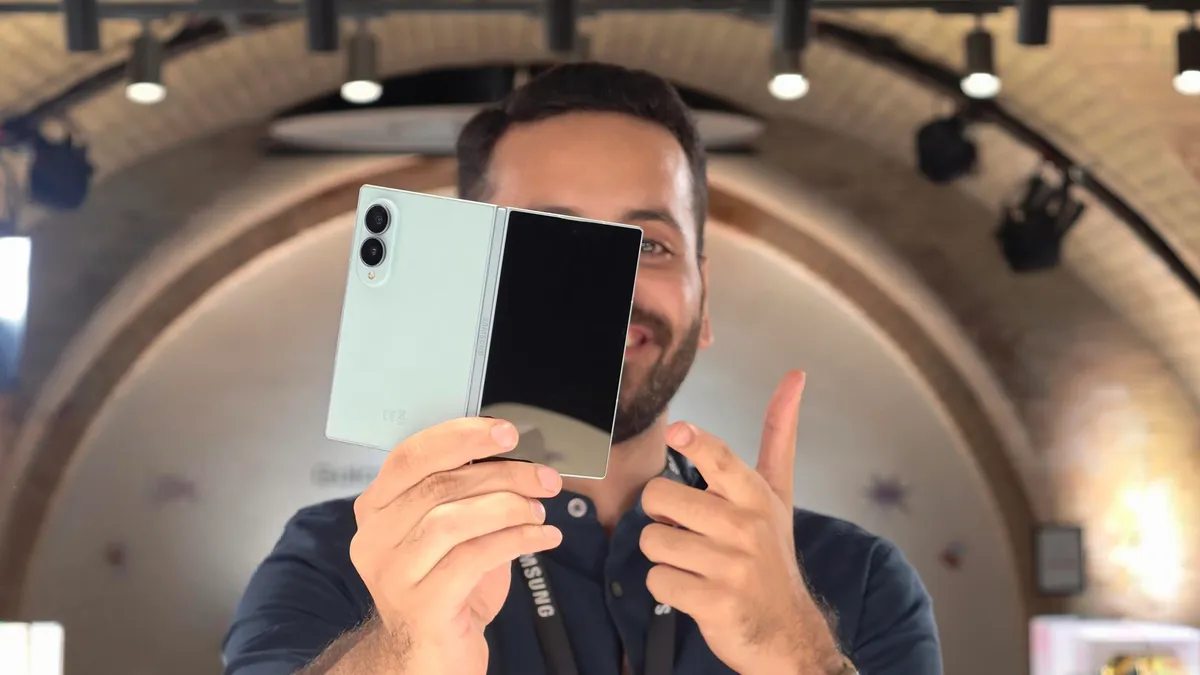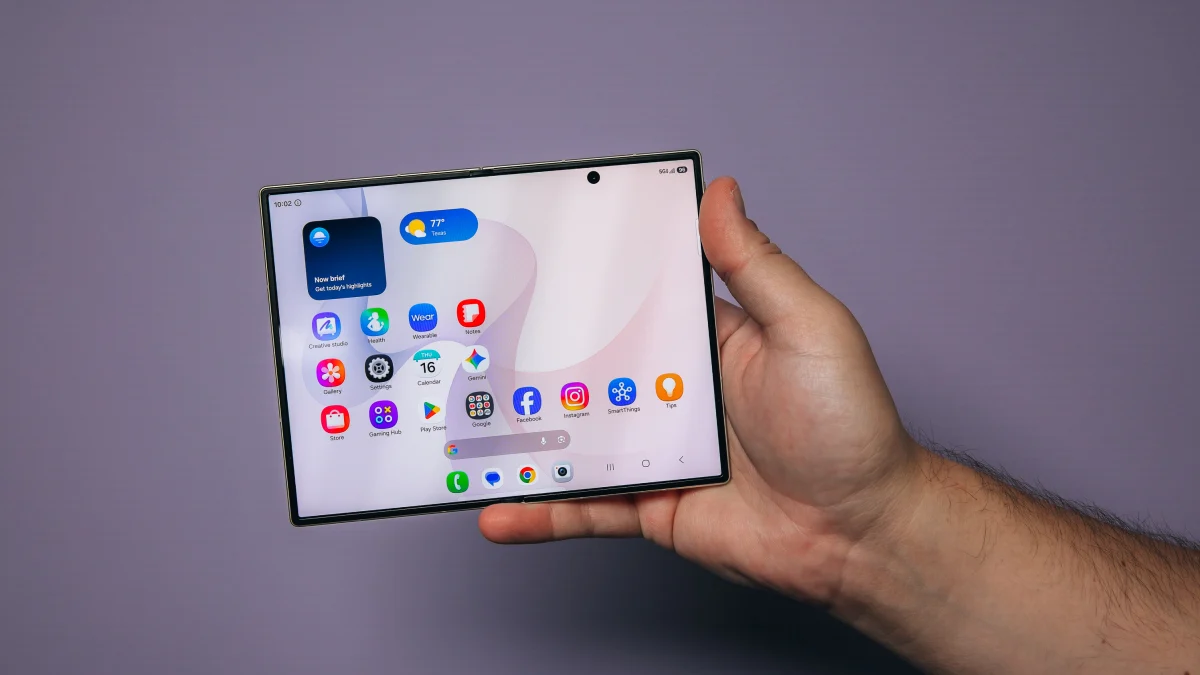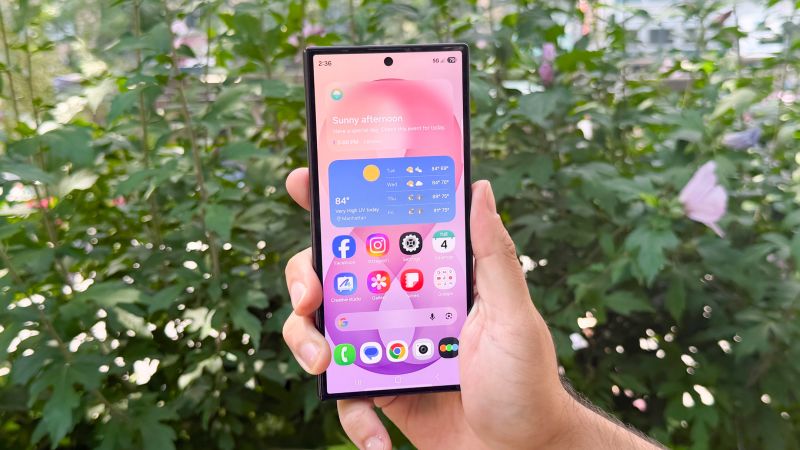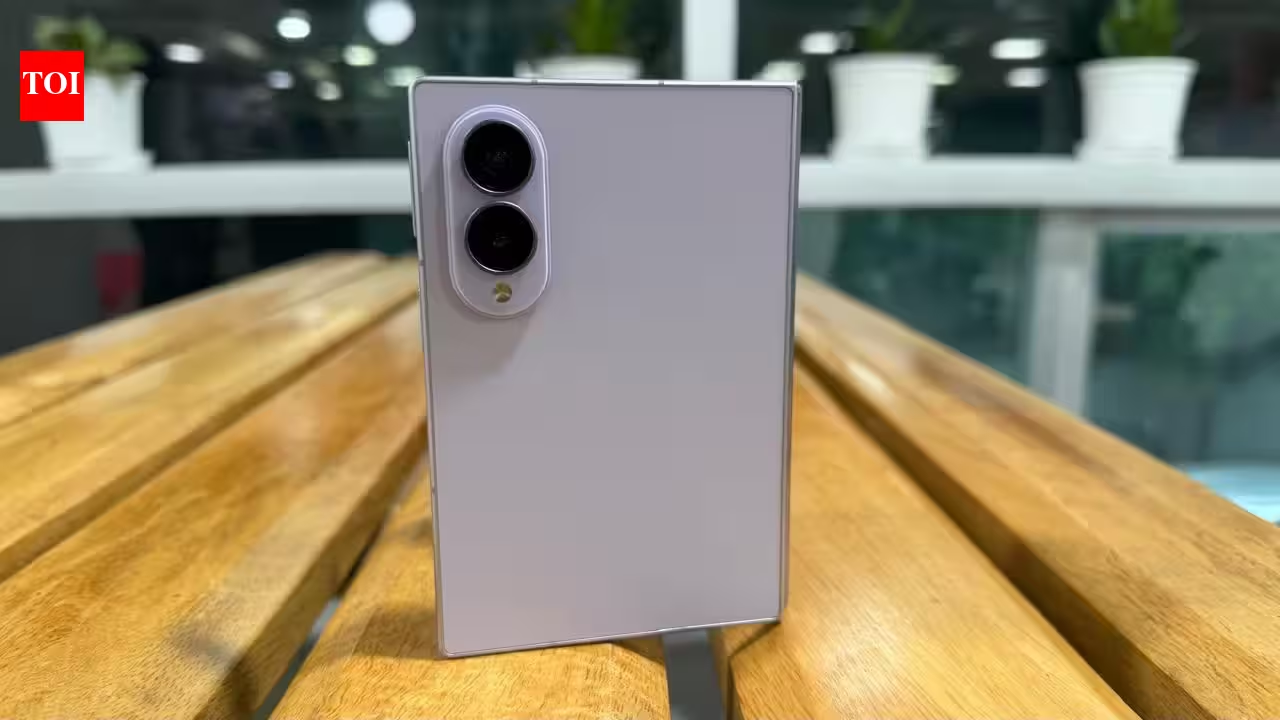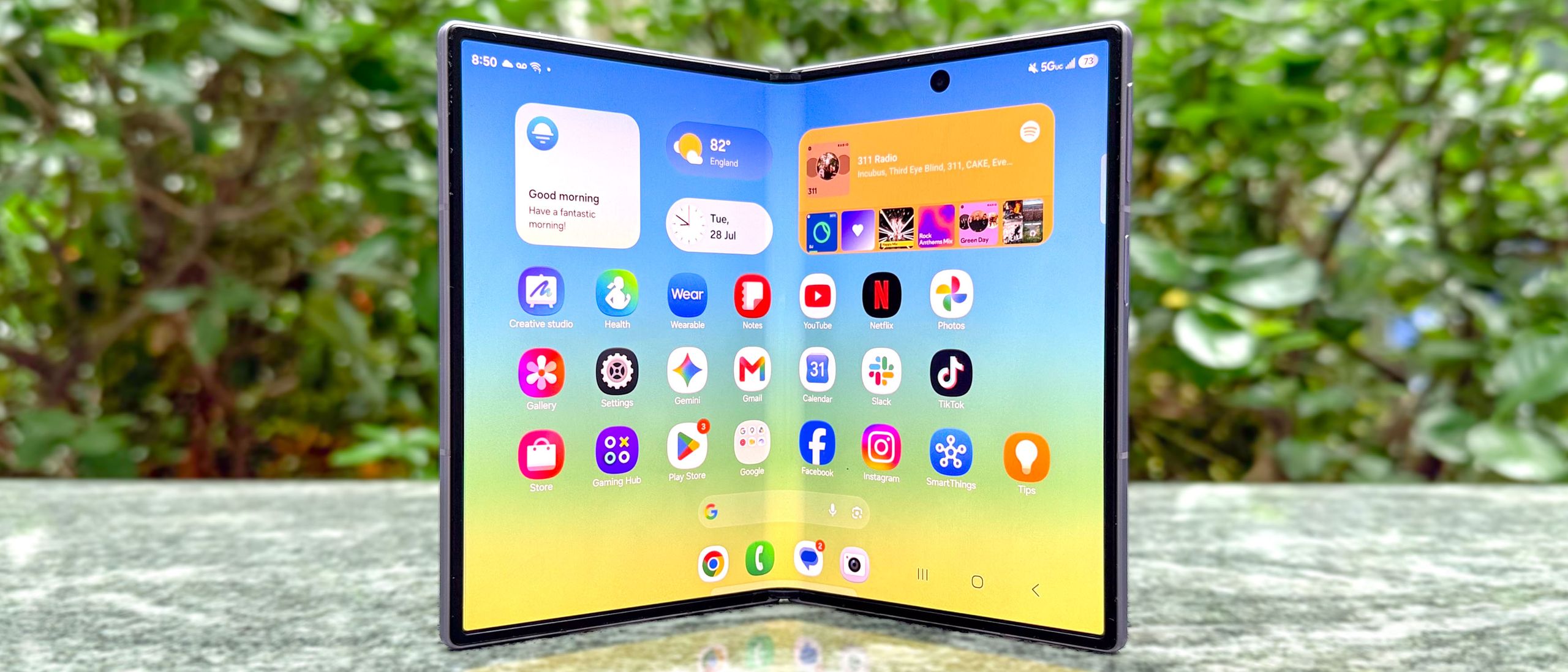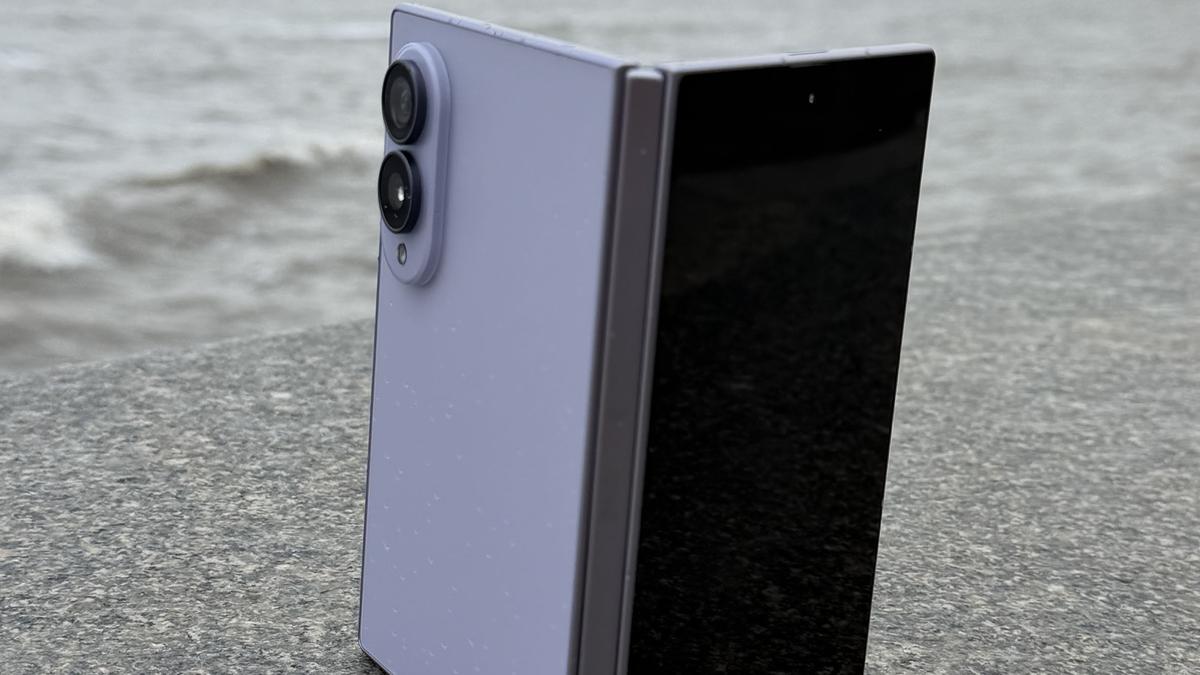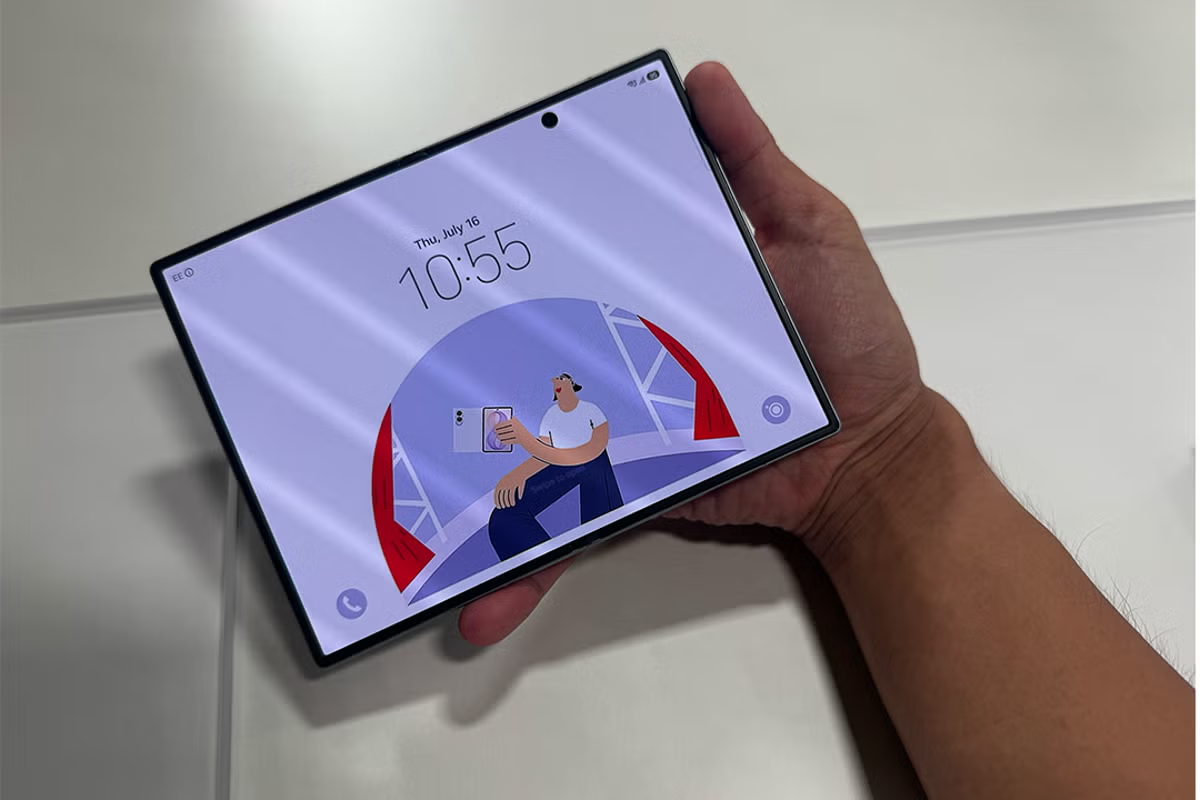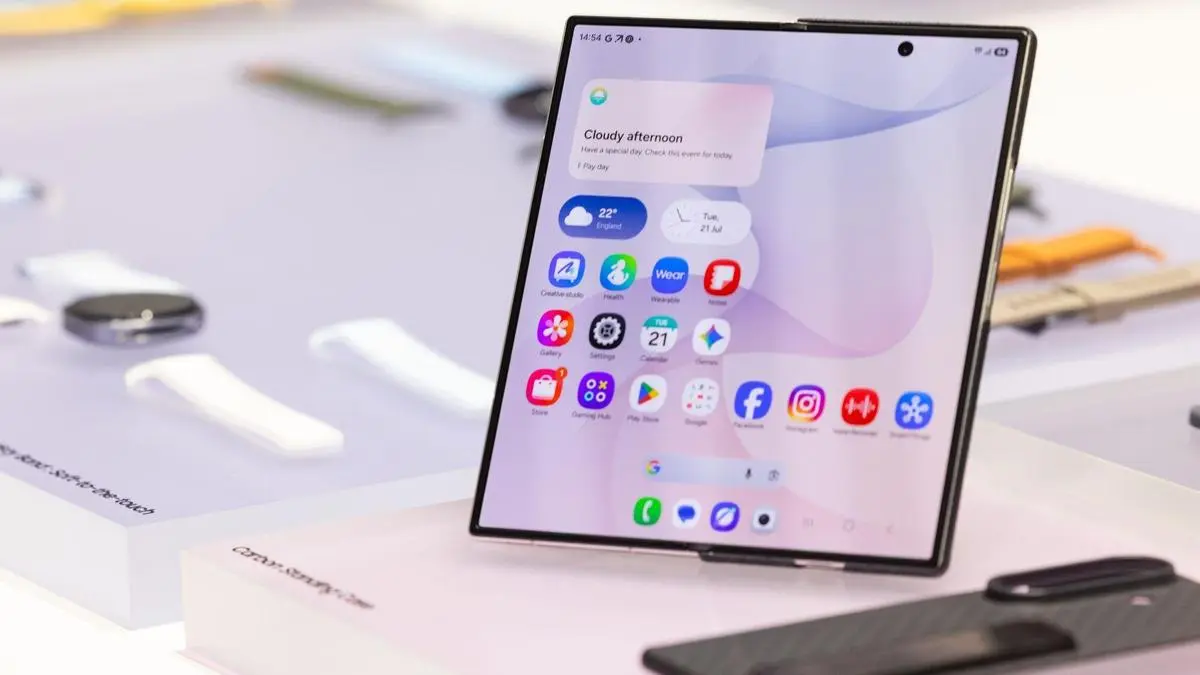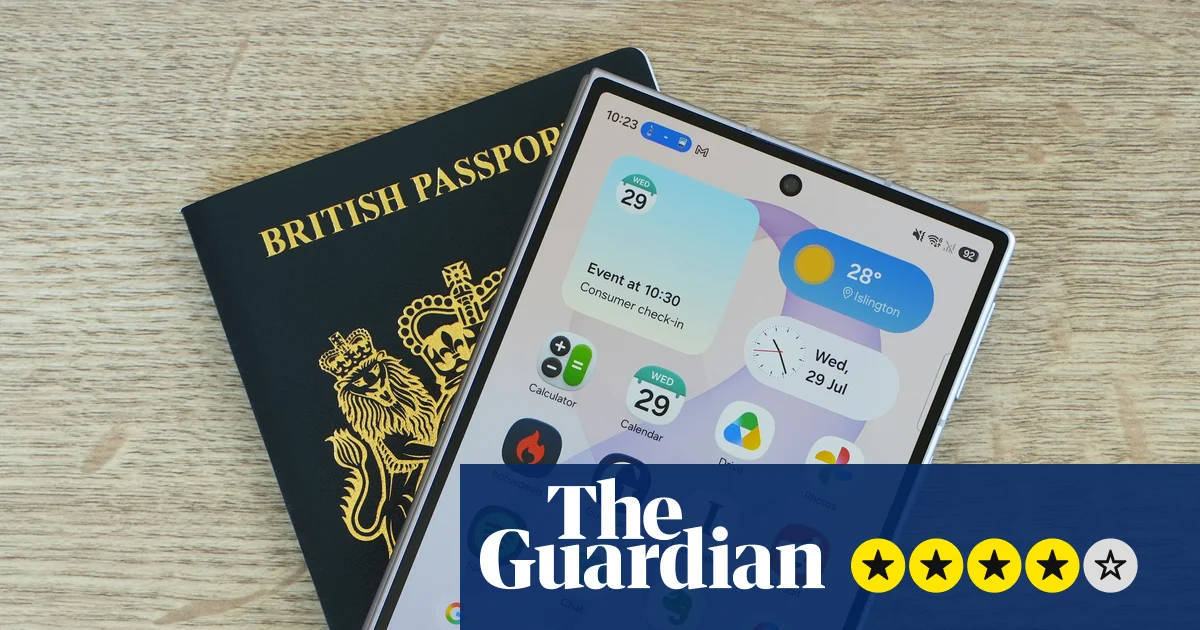
Samsung’s latest folding phone breaks the mould with a squat, passport-like shape reminiscent of the Blackberry, which opens up to become a tablet similar to an iPad mini. It is certainly a better shape for a tablet than other designs, but is a short and wide phone when closed a compromise too far?The Galaxy Z Fold 8 is an entirely new variant in Samsung’s foldable family for this year launched alongside the Z Fold 8 Ultra with a more familiar candy bar shape. Both folders are extremely expensive, with the Fold 8 starting at £1,699 (€1,999/$1,899.99/A$2,699) and the Fold 8 Ultra at £1,899 (€2,199/$2,099.99/A$2,999), with RAMageddon driving up prices even at the top of the market.While Samsung’s first folding phone adopted a candy bar shape that opened up like a book to a square tablet, others began with more squat and wide forms including the original Google Pixel Fold and Microsoft Surface Duo. But as the technology matured most folders adopted the narrower closed form, which proved a better shape for performing phone-type duties such as messaging.The Fold 8 in its closed form is almost the same size as a passport, feeling more like a small notepad than a phone. Photograph: Samuel Gibbs/The GuardianThe Fold 8 is 9.7mm thick when closed, which is about the same as a regular phone in a case, but its short and wide design looks more like a mini tablet or notepad in your hand. Its width also makes it hard to reach the other side of the screen one-handed, making it a two-handed affair most of the time, similar to huge superphones such as the Galaxy S26 Ultra.Photos, apps, games and websites look and work great on the crisp and super-bright outside screen. That is until you open the keyboard, which then takes up just over half the screen, leaving you very little space to see the content you are trying to type into. Apps that include a bar at the top, such as WhatsApp, shrink that space even further.With the keyboard open you only have a narrow window to see the content of messages when typing on the Fold 8 (left) compared with a regular phone or the taller Fold 8 Ultra (right) Photograph: Samuel Gibbs/The GuardianOpen the Fold 8 like a book to reveal a beautiful 7.6in OLED display, which is crisp, smooth and super-bright, making it easy to see in direct sunlight. Like all folders the necessarily softer screen material is fragile and a fingerprint magnet, so needs regular gentle cleaning.The tablet screen’s 4:3 ratio matches that of Apple’s iPads or Microsoft’s Surfaces, which makes it a better fit for video with smaller black bars top and bottom when held in landscape compared to squarer foldables.Websites, comics, books and apps look great on the inside screen when held in portrait orientation. Photograph: Samuel Gibbs/The GuardianPortrait orientation is great for websites and the keyboard only takes up about two-fifths of the screen giving you plenty of space with which to work. Most apps will present a dual-pane tablet interface in either orientation.But when you directly compare the Fold 8’s internal screen with last year’s Fold 7 or the new Fold 8 Ultra’s squarer display, you realise that landscape video is almost the same size on both tablets; only the thickness of the letterboxing black bars differs significantly.The speakers of the Fold 8 are pretty good for a phone, but they are only stereo when the tablet is held in portrait, not landscape when watching video which is unfortunate.With both folders held in landscape, standard 16:9 ratio YouTube videos are 151 x 85mm on the Fold 8 Ultra (left) and 154mm x 86mm on the Fold 8 (right). Photograph: Samuel Gibbs/The GuardianSpecifications
Samsung Galaxy Z Fold 8 review: your passport to a folding phone future
Novel squat Android opens to an iPad-like screen for video or multitasking, with plenty of power and battery life
1,710 words~8 min read