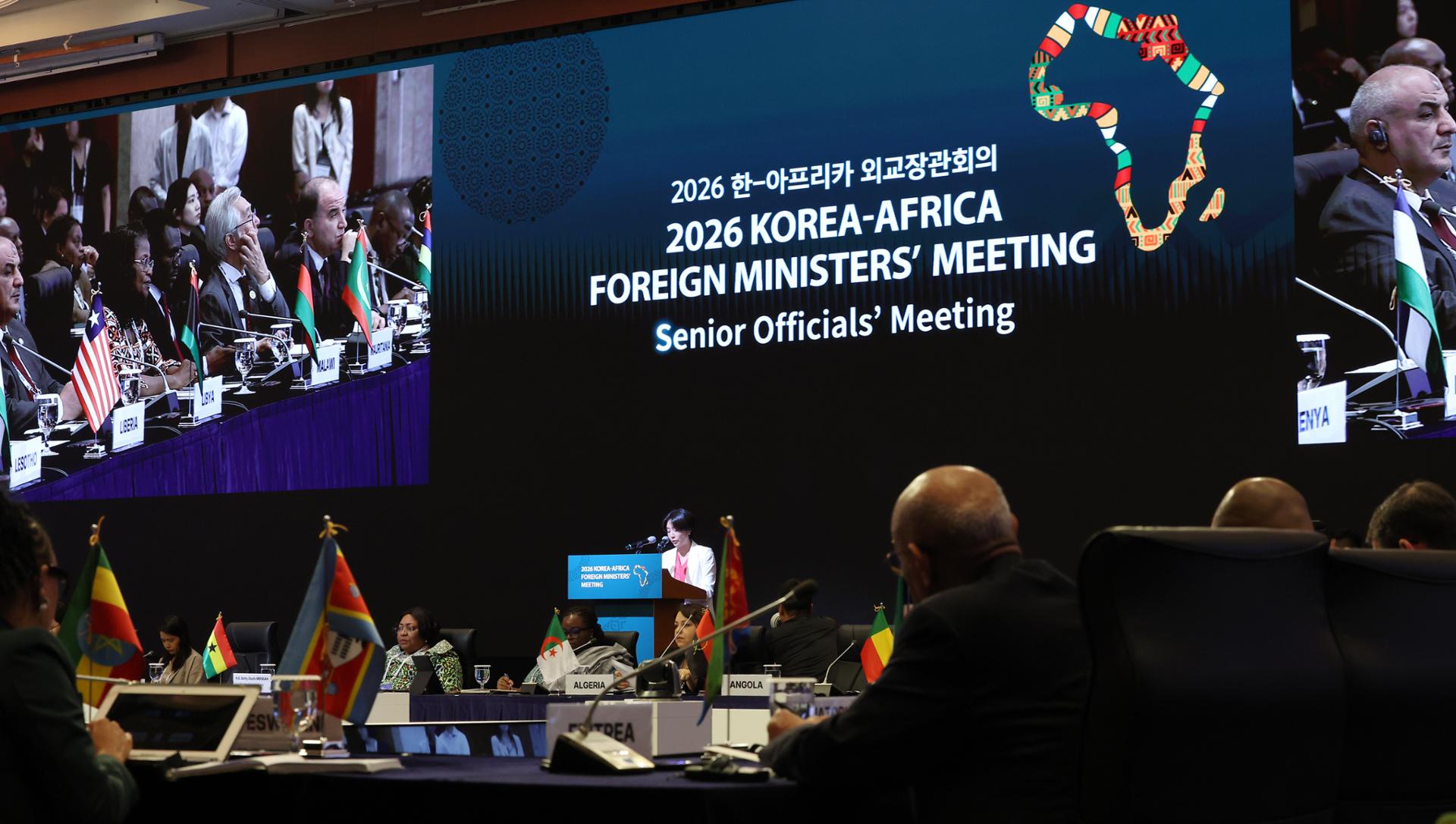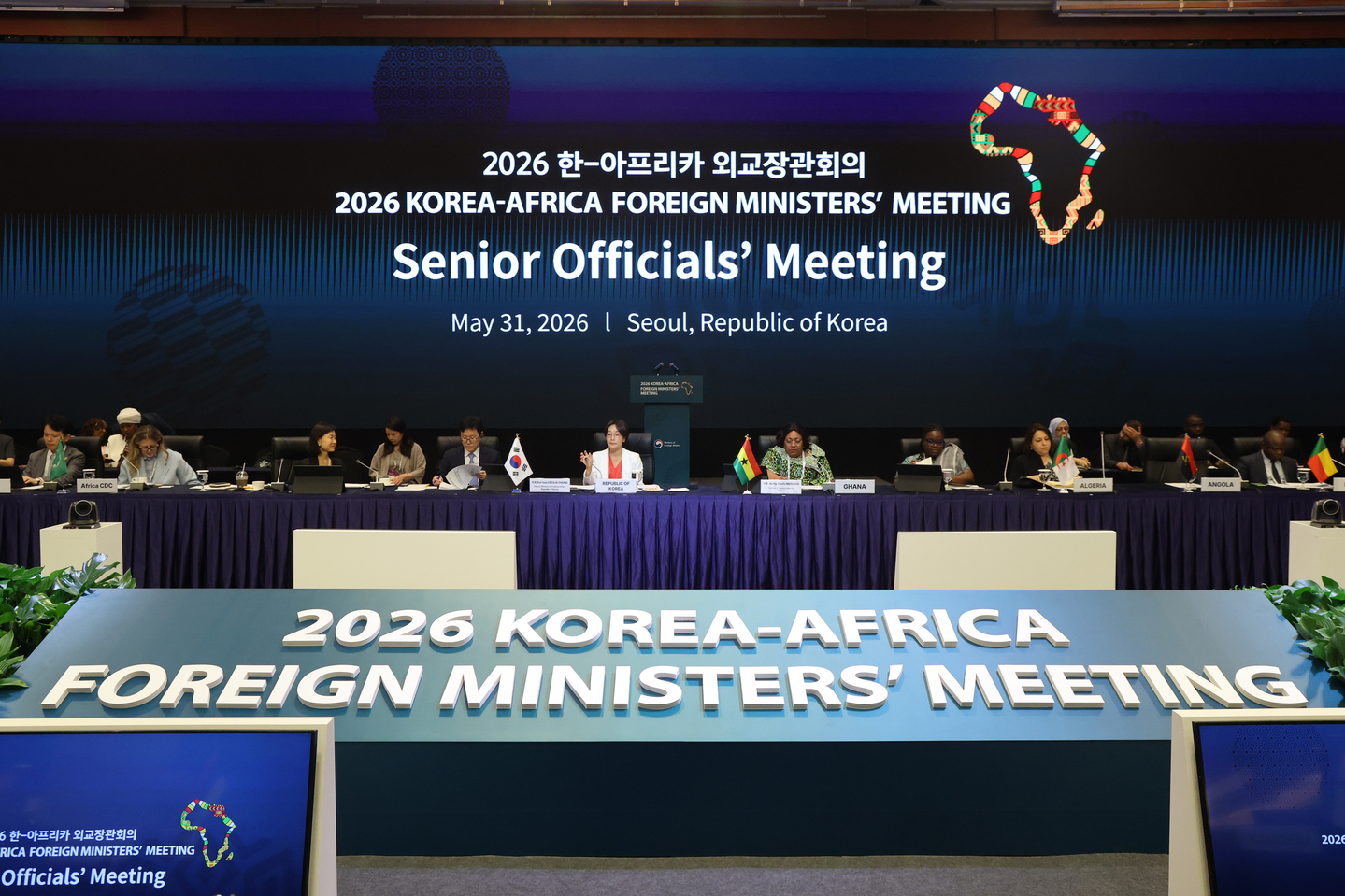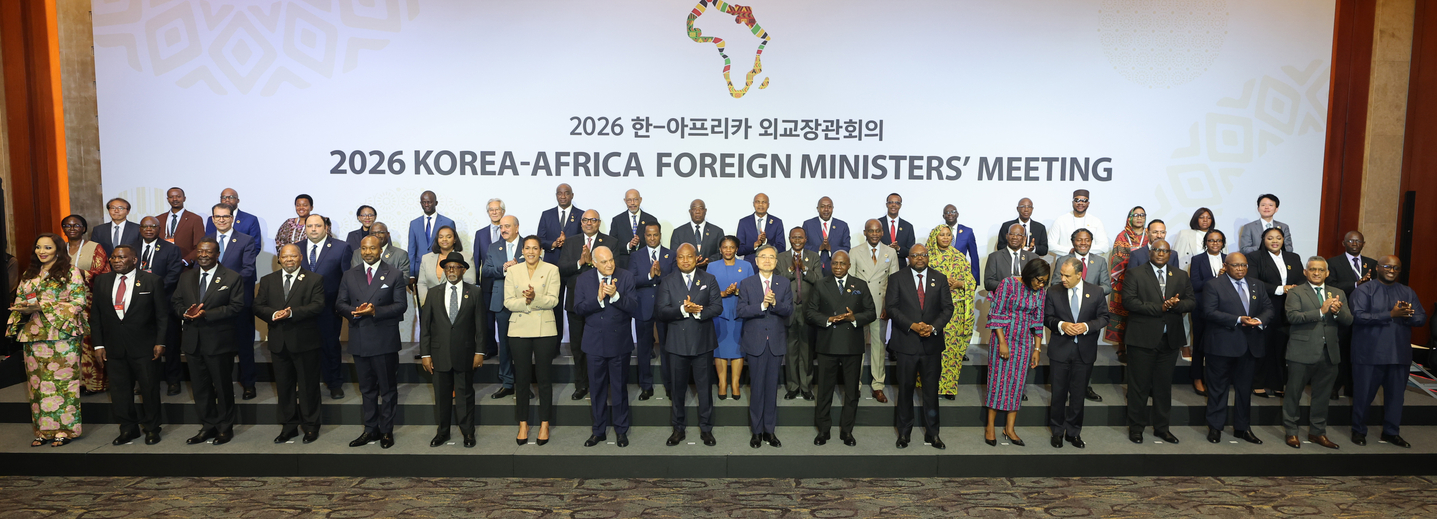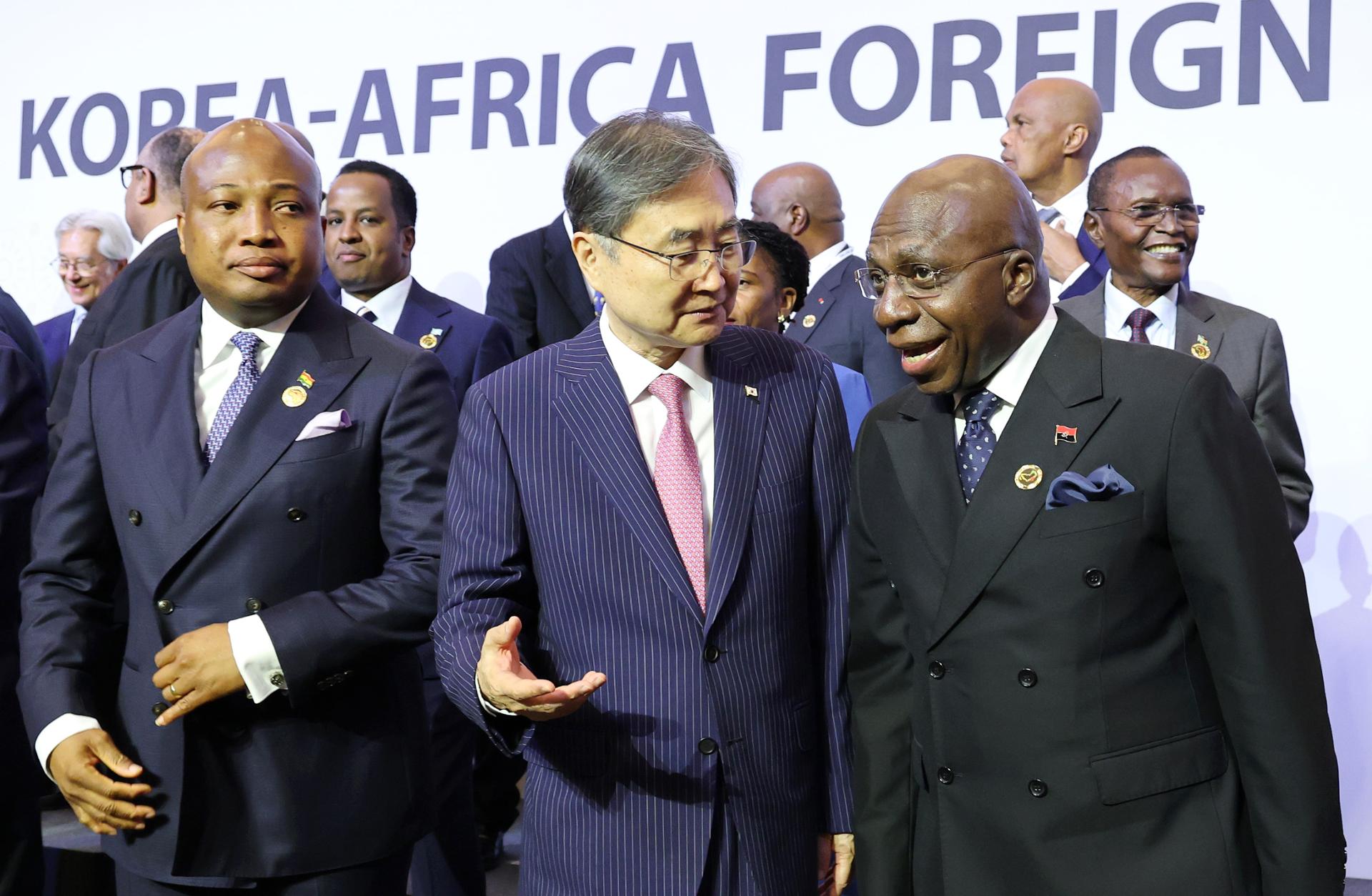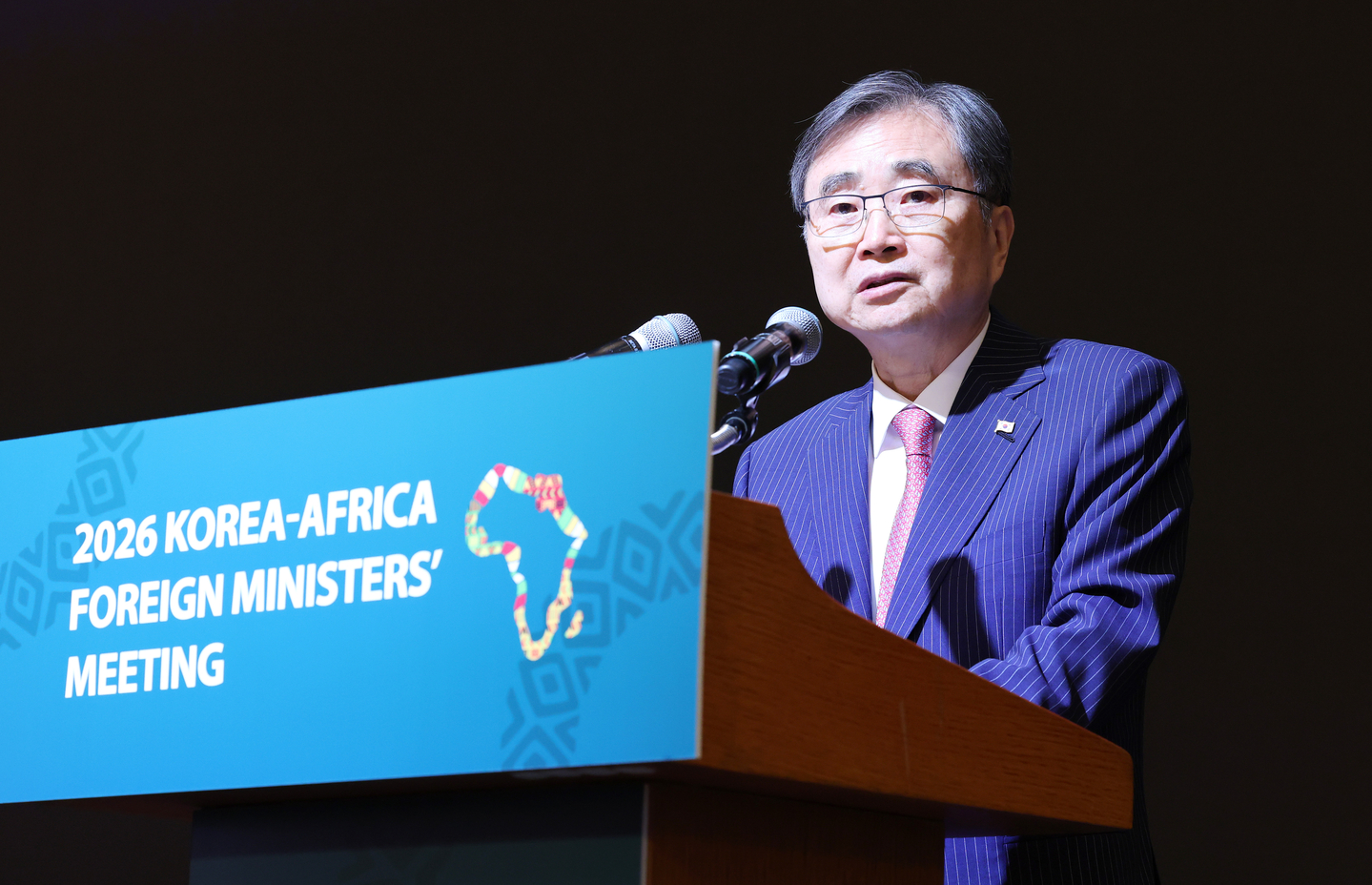
In early June, foreign ministers and senior representatives from 50 African countries gathered in Seoul for the first Korea-Africa Foreign Ministers’ Meeting, the follow-up mechanism promised at the inaugural Korea-Africa Summit of 2024. At that summit, Seoul pledged to expand its official development assistance (ODA) to the continent to $10 billion by 2030, alongside $14 billion in export financing. The June meeting closed with a joint statement reaffirming those commitments and a proposal to convene a second summit in 2029.
Notably, the initiative has survived the most turbulent political transition in South Korea’s recent history. Conceived under the previous conservative government, the Africa pivot has been carried forward by the progressive administration that followed, which framed the June gathering as part of its pursuit of diplomatic diversification. Two years in, the architecture to back up the Korea-Africa summit is visibly taking shape, and it belongs to no single administration.
Skepticism, however, has shadowed the initiative from the outset, and it is not unfounded. Africa still accounts for a mere 1 to 2 percent of South Korea’s trade and investment, a shortfall acknowledged openly at the 2024 summit itself. The agenda at the foreign ministers’ meeting this June, which ranged from critical minerals to supply chain resilience, looked like an inventory of what South Korea seeks from the continent rather than what it offers. Observers have pointed out that South Korea is a latecomer replicating the summit diplomacy of China and Japan, and that pledges made at such gatherings have a well-documented tendency to outrun actual disbursement. Judged by communiqués alone, it remains an open question whether South Korea’s engagement with Africa amounts to anything more than resource diplomacy in the language of development.