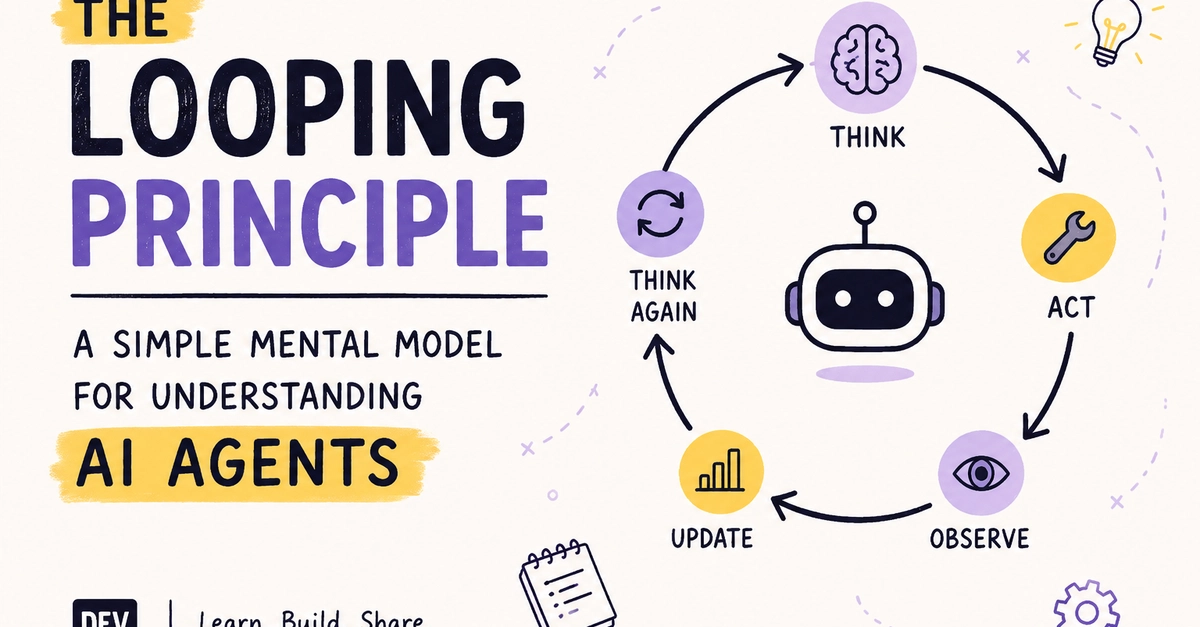
If you've built even a simple AI agent, you've probably noticed that the "agent loop" itself is deceptively simple: the model gets a message, decides whether to call a tool, gets the result back, and repeats until it has an answer. But real-world agents need a lot more than that bare loop to actually work well.
What happens when a conversation gets so long it blows past the model's context window? What if a tool call gets interrupted halfway through and leaves your message history in a broken state? What if you want the agent to keep a running todo list of what it's working on, or delegate parts of a task to a specialized sub-agent, or read and write files as part of its job?
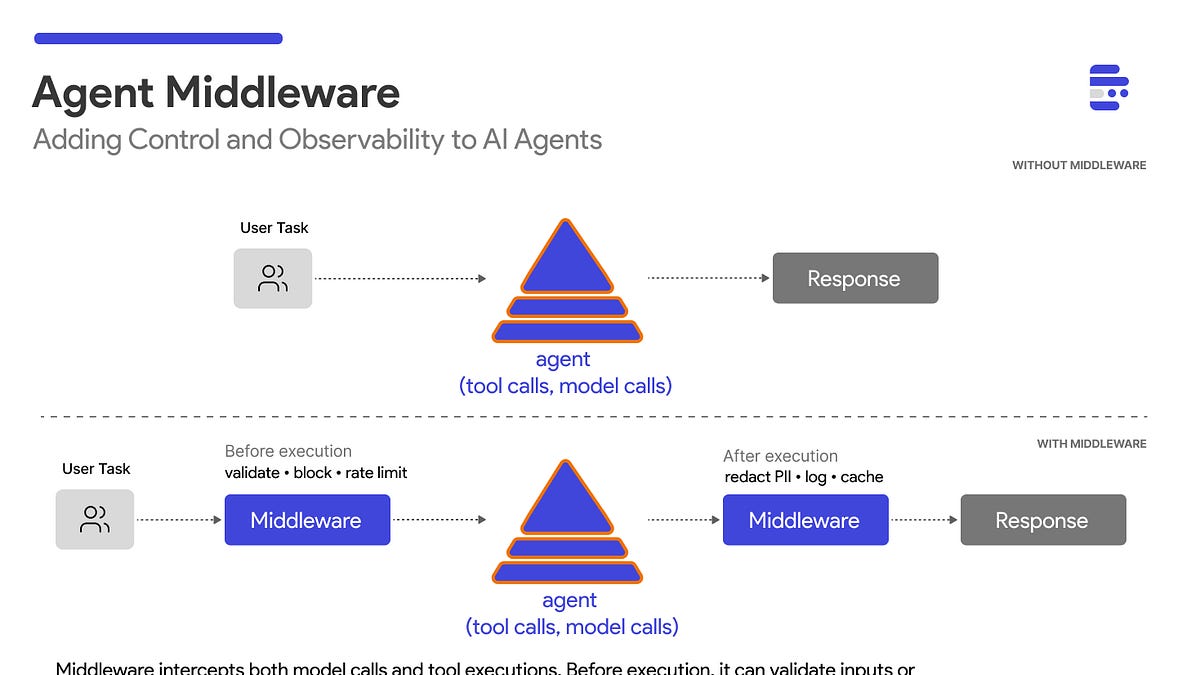
You could bolt all of this onto your agent manually. Or, if you're using Deep Agents, you get most of it for free through something called middleware.
This post walks through what middleware actually is, why Deep Agents ships with a default stack of it, and how each piece behaves, with runnable code for each one so you can see it working instead of just reading about it.
So What Is Middleware, Really?