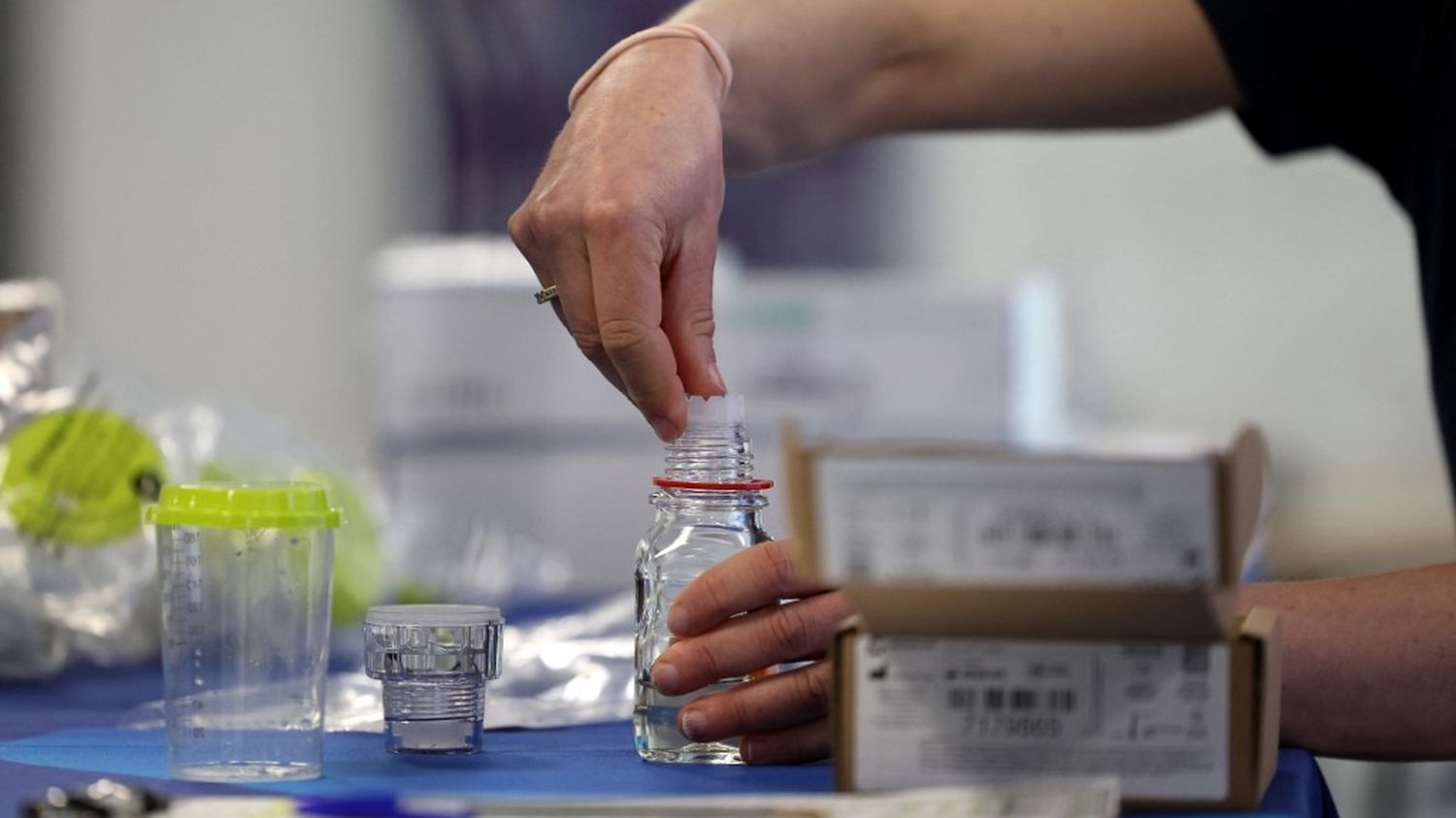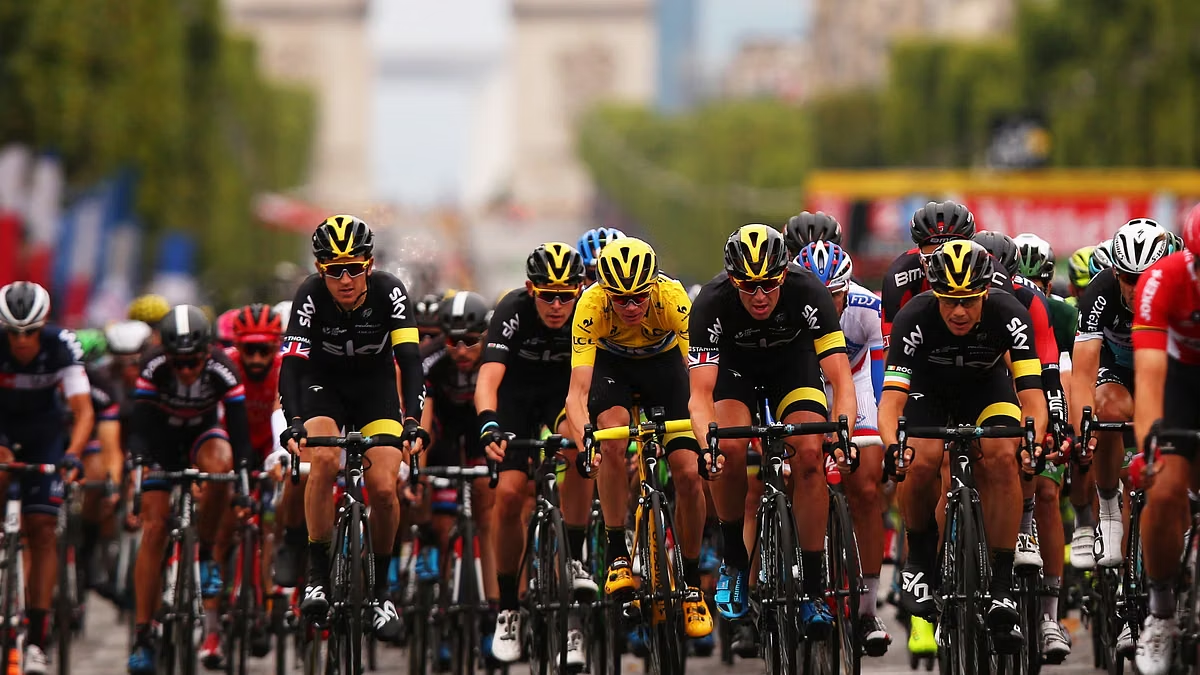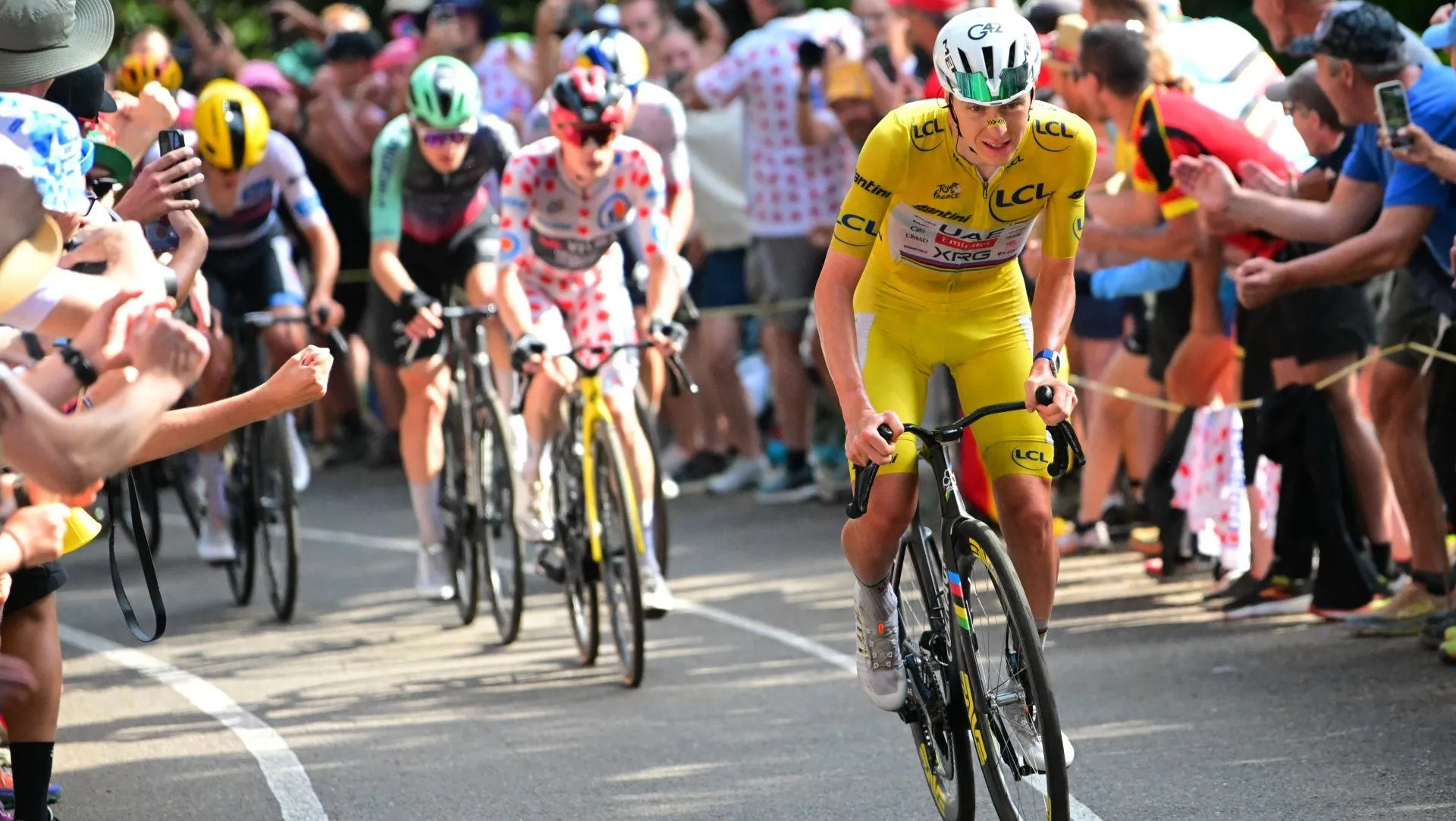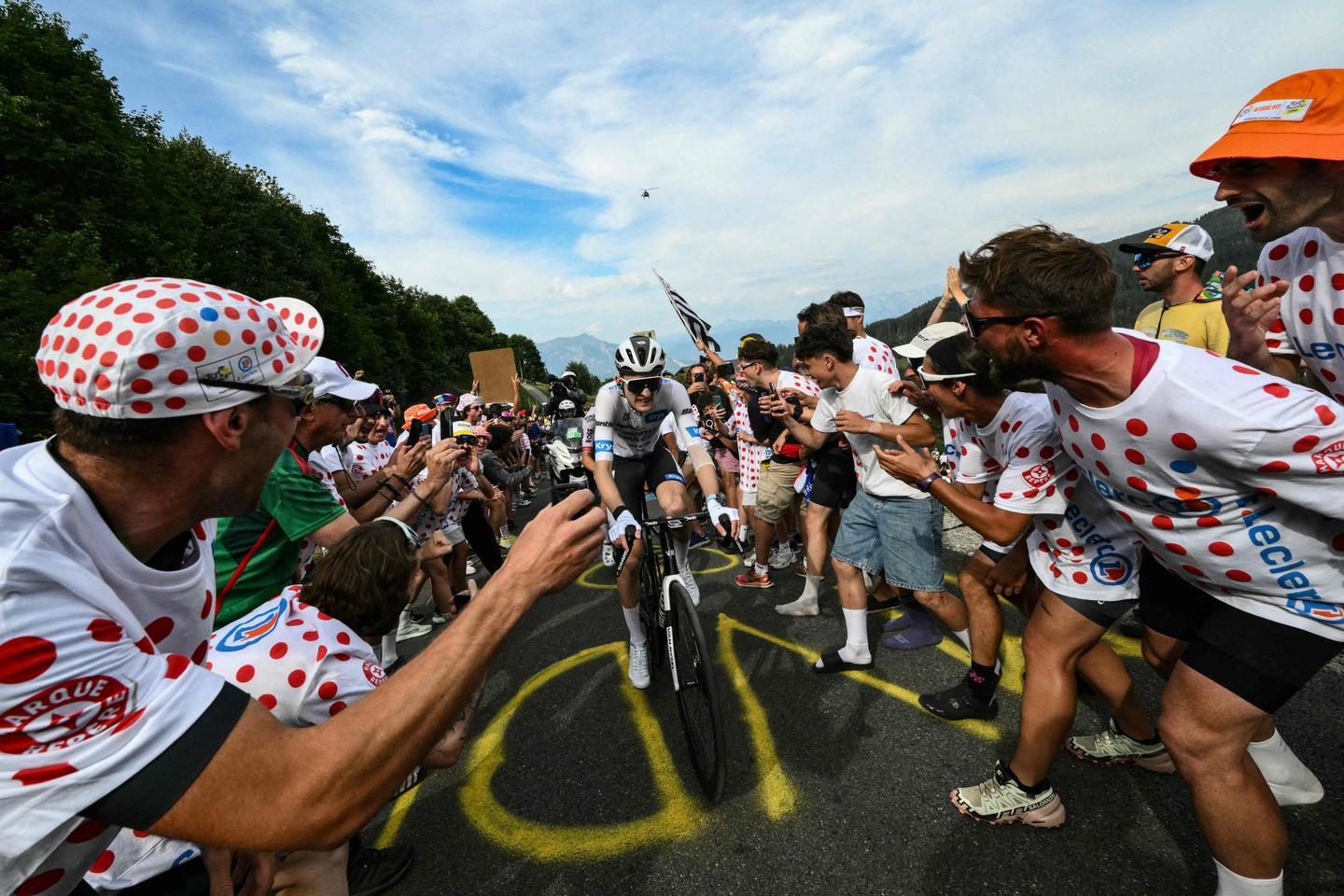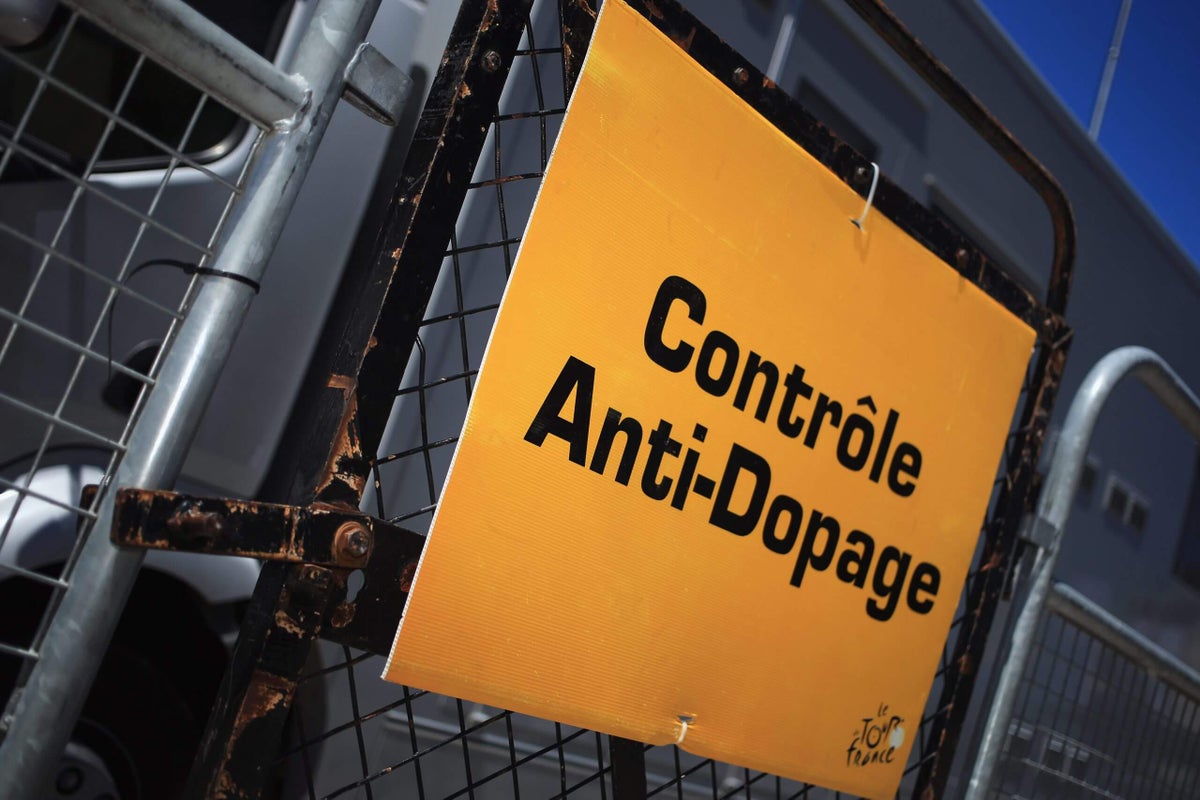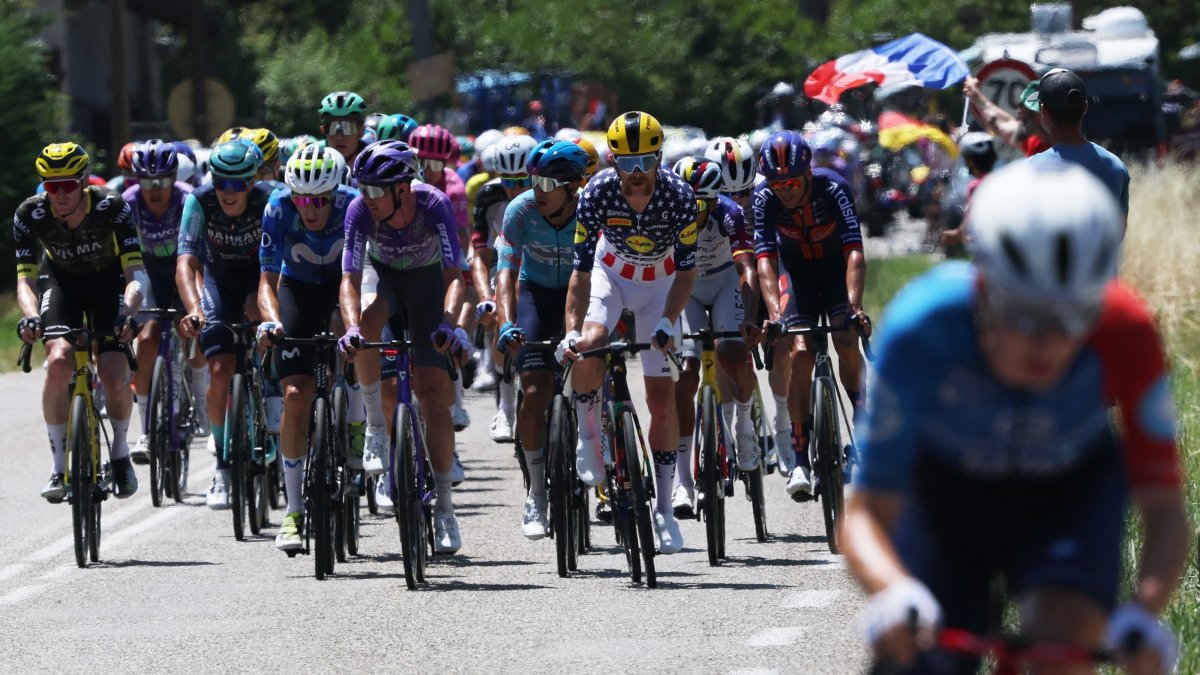
Every rider still competing in the 2026 Tour de France underwent an additional anti-doping blood test Monday as part of cycling's Athlete Biological Passport program, the International Testing Agency (ITA) confirmed, reinforcing one of the sport's most extensive anti-doping operations.
The ITA said Tuesday that the blood collection was designed to strengthen long-term biological monitoring rather than replace the routine testing already conducted before and during the race.
"This mission complements the standard pre-competition testing conducted on all riders in the days preceding the Grand Depart and any test already conducted during the race," the agency said. "Collecting additional blood samples enables the ITA to assess variations in relevant hematological biological markers and strengthen the longitudinal monitoring of each rider's individual profile."
The Athlete Biological Passport, introduced in cycling in 2008, tracks key biological markers over time instead of relying solely on detecting banned substances. By comparing an athlete's blood values against an established personal profile, authorities can identify unusual changes that may suggest blood manipulation or the use of performance-enhancing drugs.