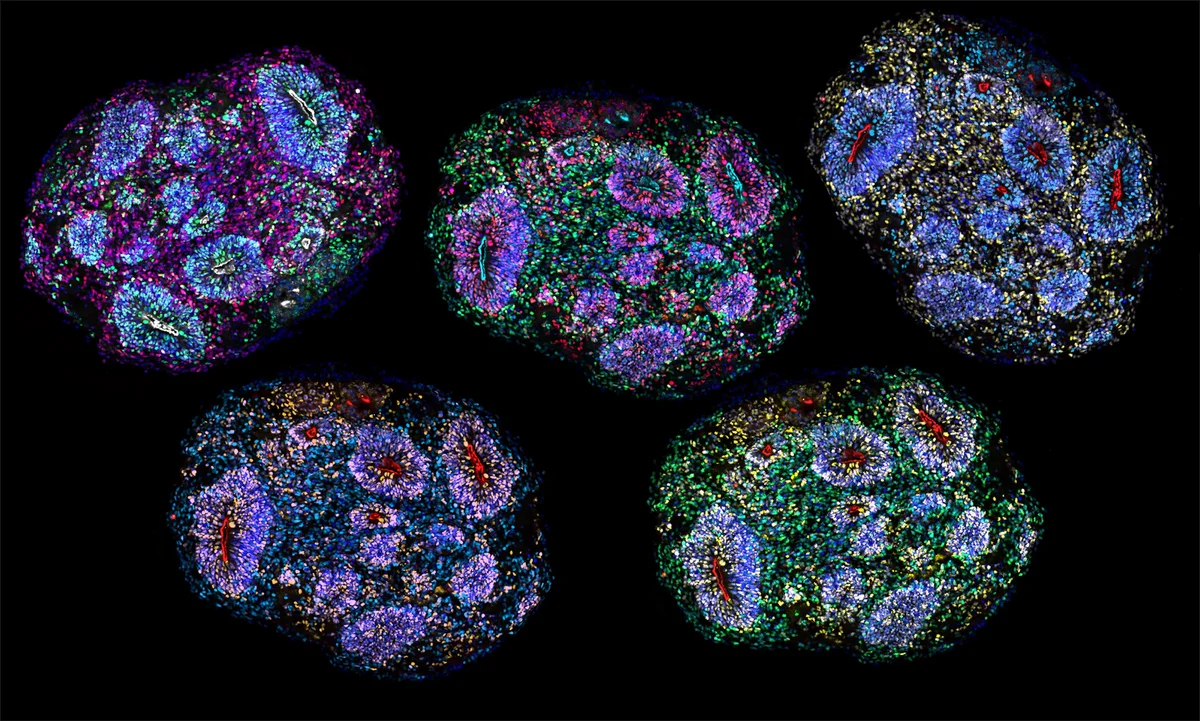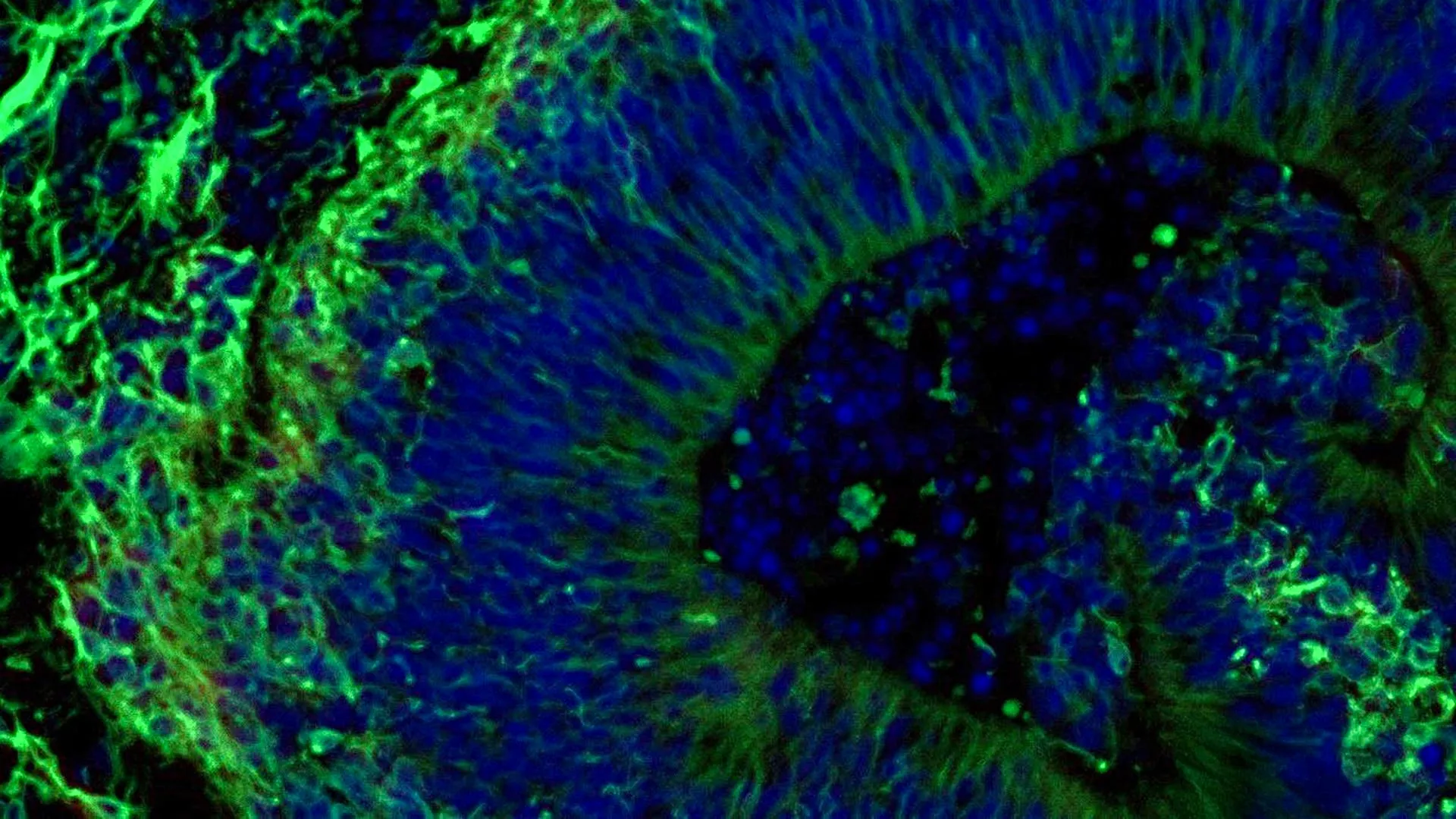
Scientists at Johns Hopkins Medicine have found new evidence that small clusters of brain tissue grown from the cells of people with Alzheimer's disease could help researchers predict how different patients may respond to medications used to manage psychiatric symptoms linked to the condition.
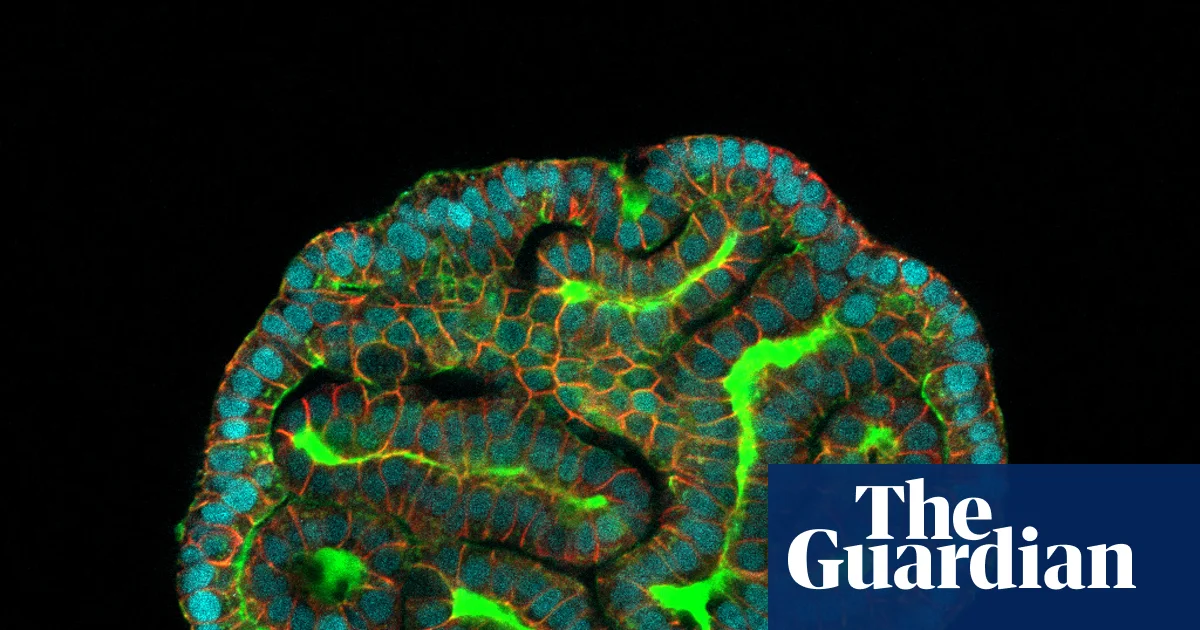
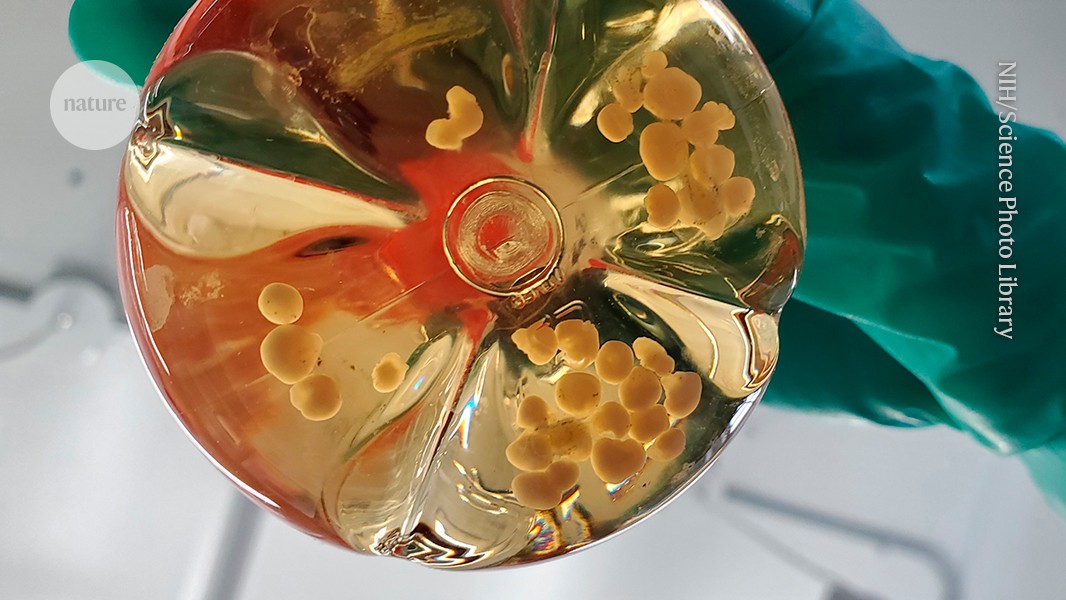
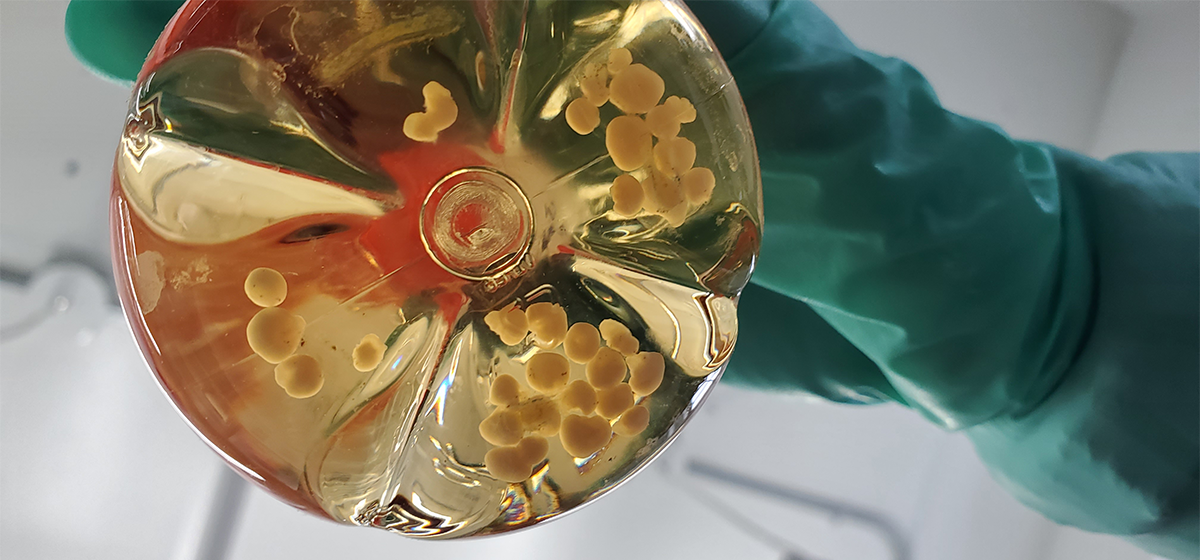
The research focused on laboratory-grown brain tissues called organoids. The findings add to growing evidence that these miniature brain models could eventually help scientists develop and select more precise treatments for specific groups of people with Alzheimer's disease. Alzheimer's is the most common form of dementia and affects more than 7 million Americans.
The team also discovered that the organoids release tiny particles called extracellular vesicles that carry cellular information. These particles may offer new biomarkers for diagnosing Alzheimer's disease and determining how far it has progressed.
The study, which received partial funding from the National Institutes of Health, was published in Alzheimer's & Dementia: The Journal of the Alzheimer's Association.
Mini Brain Models Could Support Personalized Care