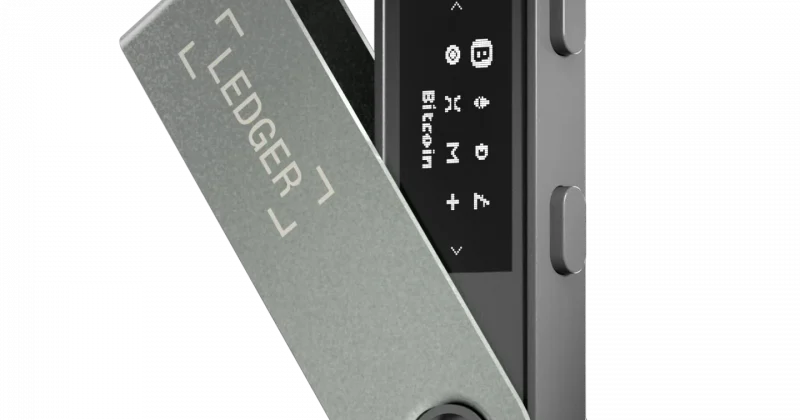
A bug that sat quietly in Zilliqa’s Ledger hardware wallet app for seven years just went from dormant to devastating. The flaw, present in every version of the app since its 2019 launch, allowed attackers to recover users’ private keys from publicly available on-chain data.
Zilliqa detected active exploitation on July 19, 2026. Two days later, the team isolated the root cause and immediately suspended all native ZIL transactions.
What went wrong, and for how long
The vulnerability lives in how the Ledger app generates nonces for EC-Schnorr signatures during native ZIL transactions. The most significant 64 bits of the ephemeral nonce were fixed at zero, stemming from a mishandling of a 32-byte copy from a 40-byte randomness buffer.
That partial predictability is a death sentence for cryptographic security. An attacker with access to just five or more affected signatures, all of which are visible on-chain to anyone who cares to look, could use a technique called lattice reduction to mathematically reverse-engineer a user’s private key.