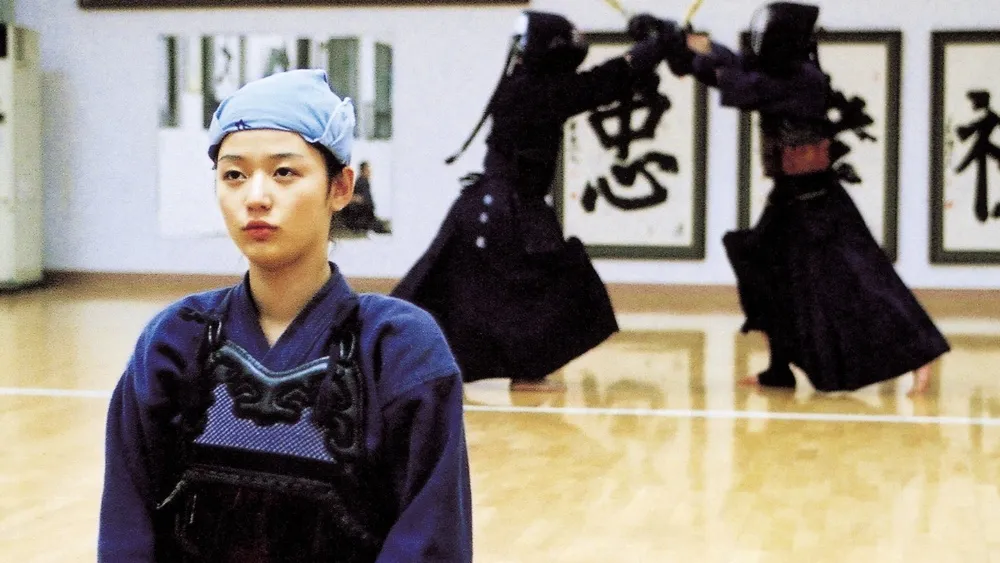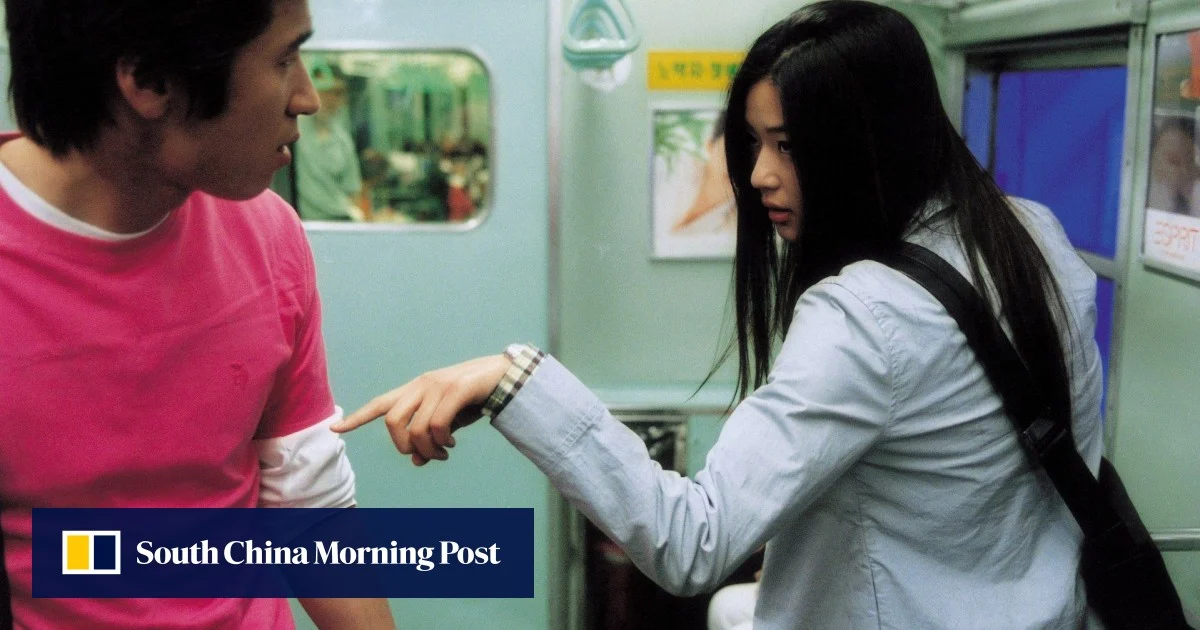
Twenty-five years ago this week, Kwak Jae-young’s game-changing My Sassy Girl exploded into South Korean cinemas. A surprise blockbuster at home and across the region, it resonated with audiences by radically subverting traditional gender stereotypes, driven by star-making performances from Jun Ji-hyun and Cha Tae-hyun.The 2001 romantic comedy became a flagship title of the emerging hallyu (Korean Wave) phenomenon, which helped elevate South Korean pop culture from a cottage industry into the global powerhouse it is today. A quarter of a century on, the beloved film’s lasting impact remains evident in subsequent film and television releases.Adapted from a series of supposedly autobiographical blog posts first published in 1999 by Kim Ho-sik, My Sassy Girl sees a hapless, mollycoddled engineering student, Gyun-woo (Cha), become involved with an aggressive, hard-drinking young woman (Jun) – who remains unnamed – after inadvertently saving her from falling onto the subway tracks.A far cry from the submissive, demure depictions of idealised femininity prevalent and encouraged throughout South Korean society at the time, “the girl” – as she is known – is bossy, outspoken and violent.My Sassy Girl (2001) | 4K Restoration Trailer | Jae-young KwakShe tells Gyun-woo what to drink, what to wear, and where and when to meet, and embroils him in absurd challenges better suited to an army barracks than a date. She repeatedly slaps and punches him, berates total strangers in public regardless of their age or status, and drinks until she passes out, leaving Gyun-woo to carry her to safety.Rather than complain, Gyun-woo quietly complies and soon becomes utterly infatuated with this bizarre, bewitching force of nature.
My Sassy Girl at 25: how Jun Ji-hyun’s star turn changed South Korean cinema
Jun Ji-hyun’s role as a brash young woman in the 2001 romcom subverted gender stereotypes, today inspiring actresses like Park Eun-bin.
265 words~1 min read