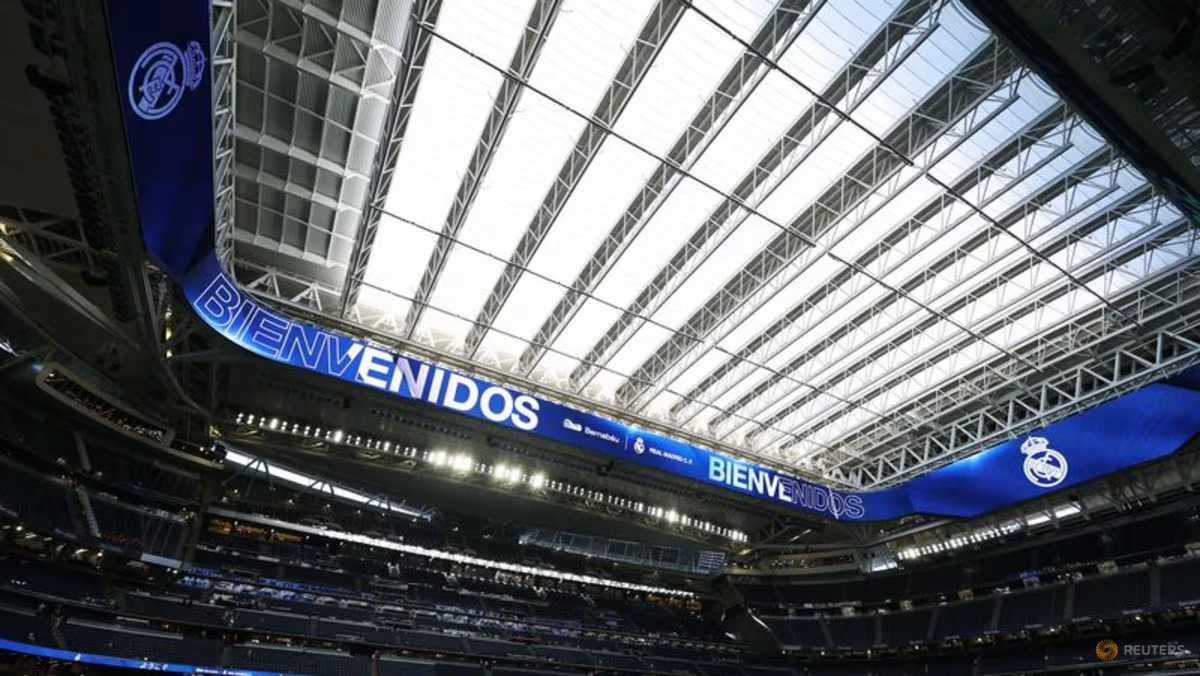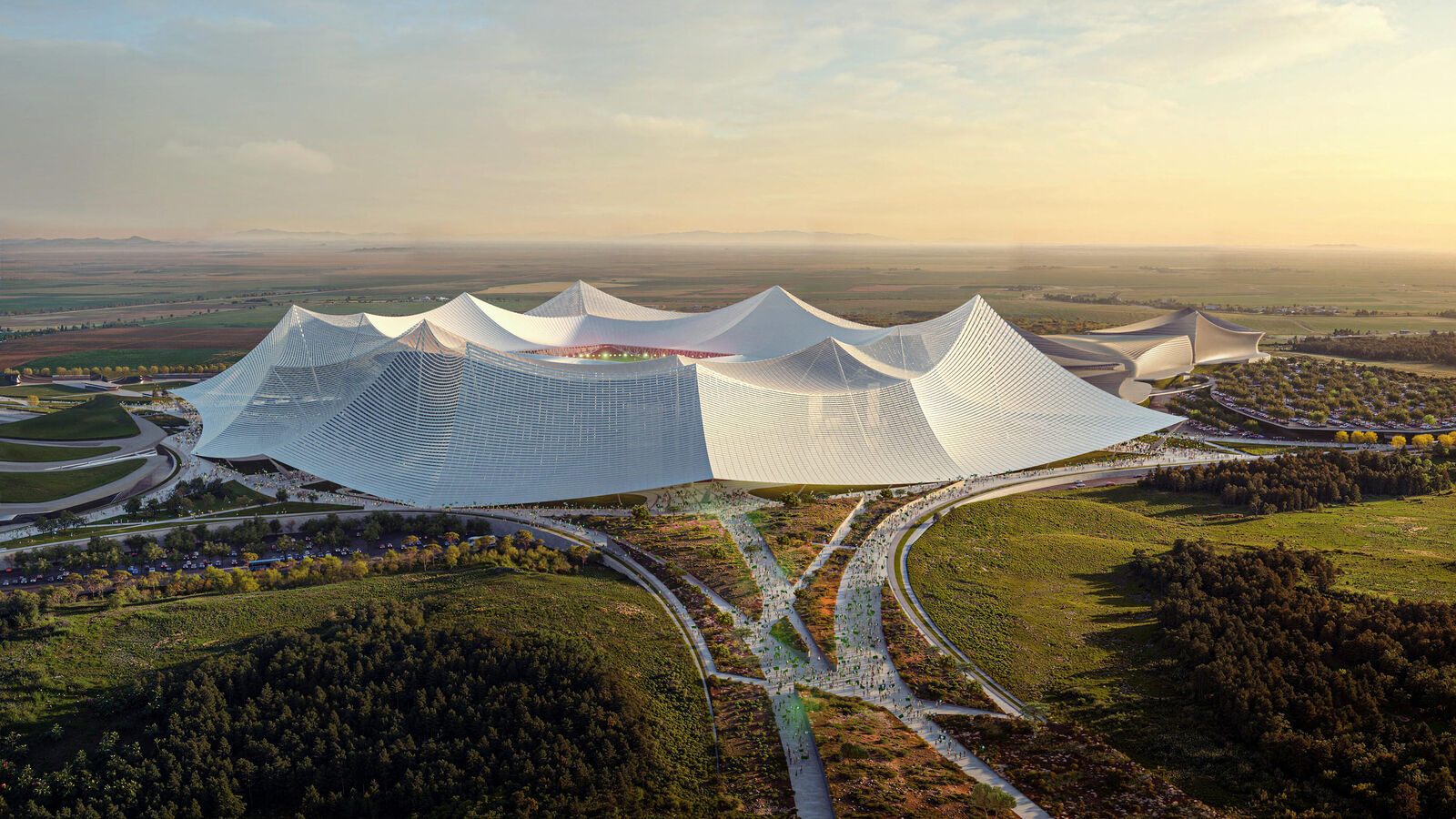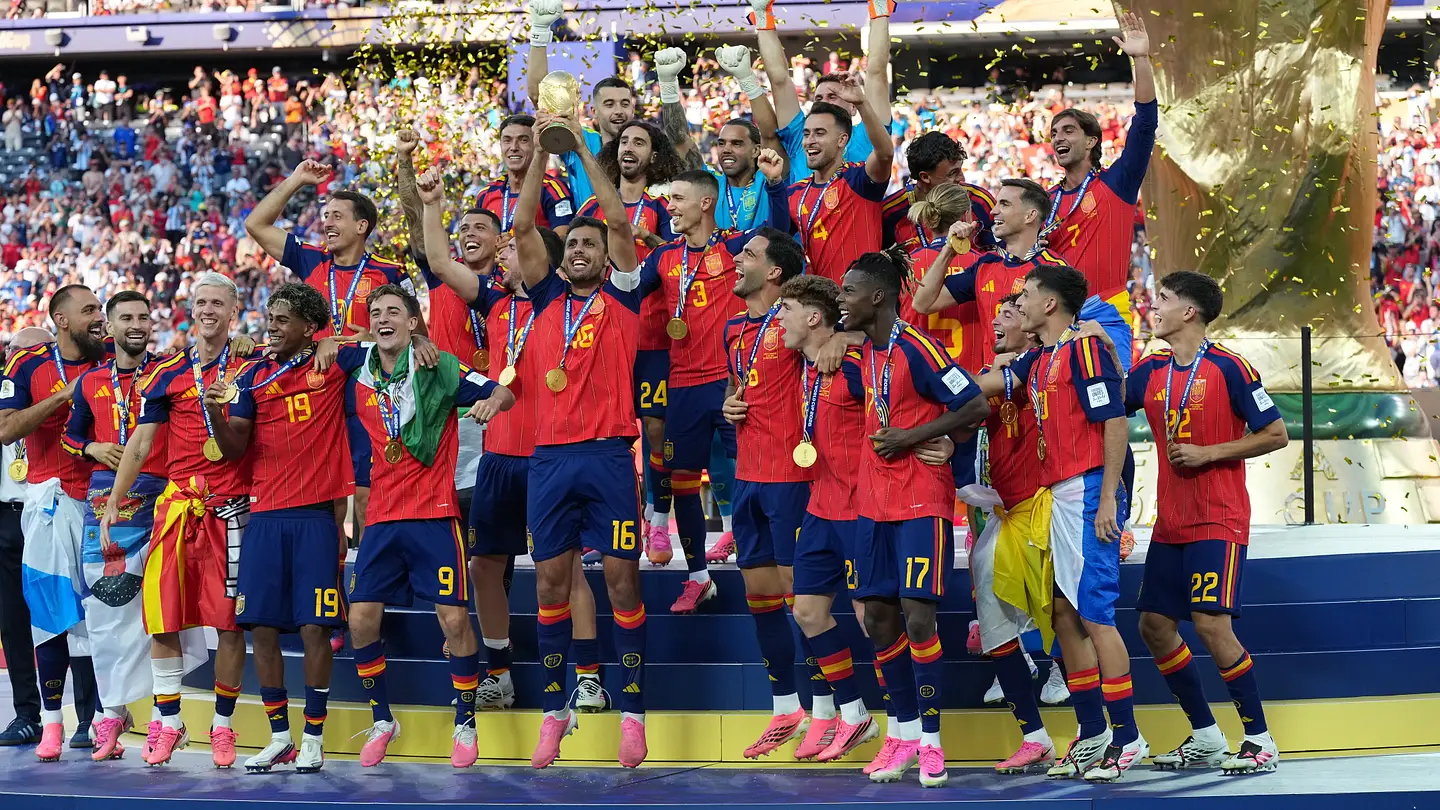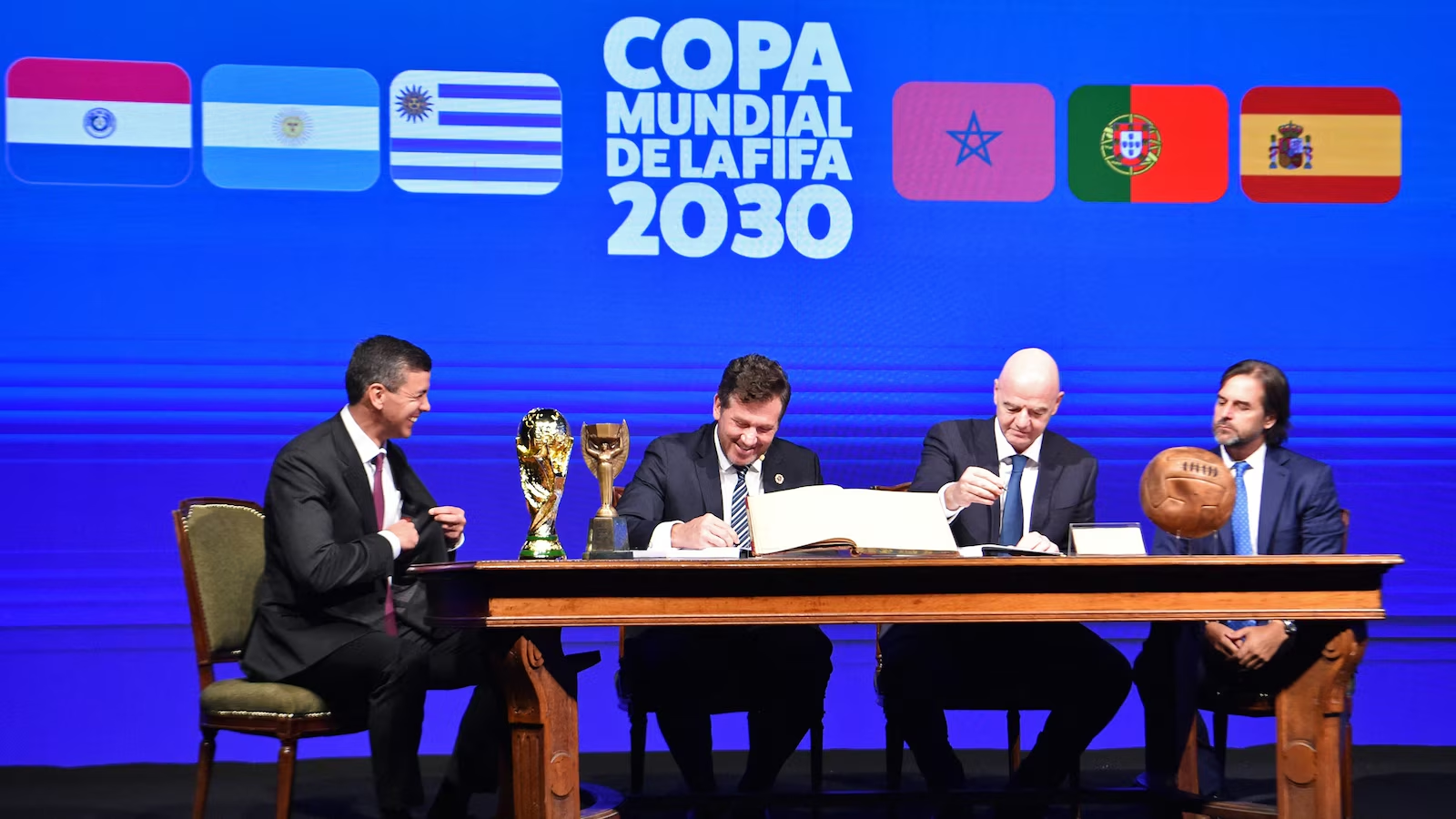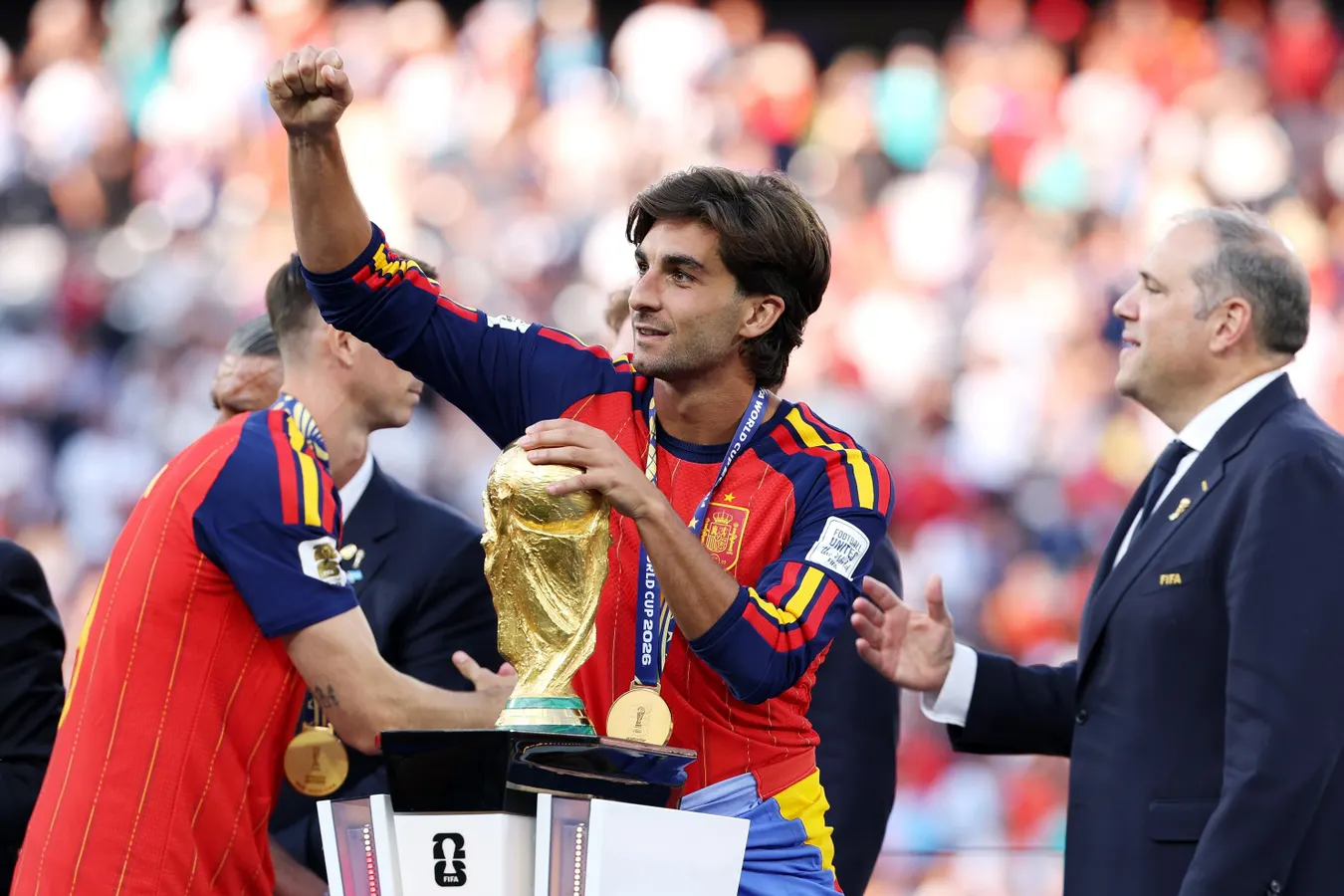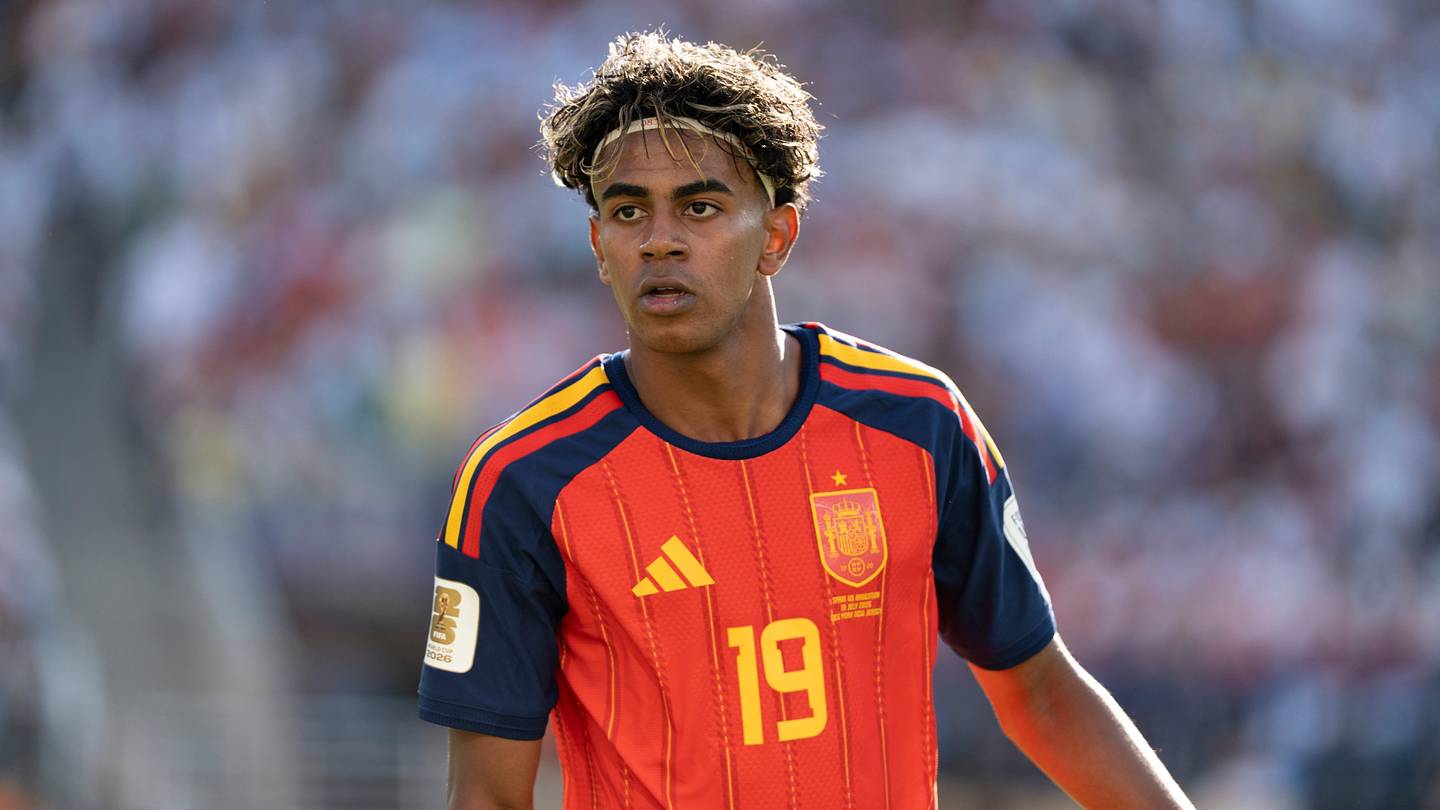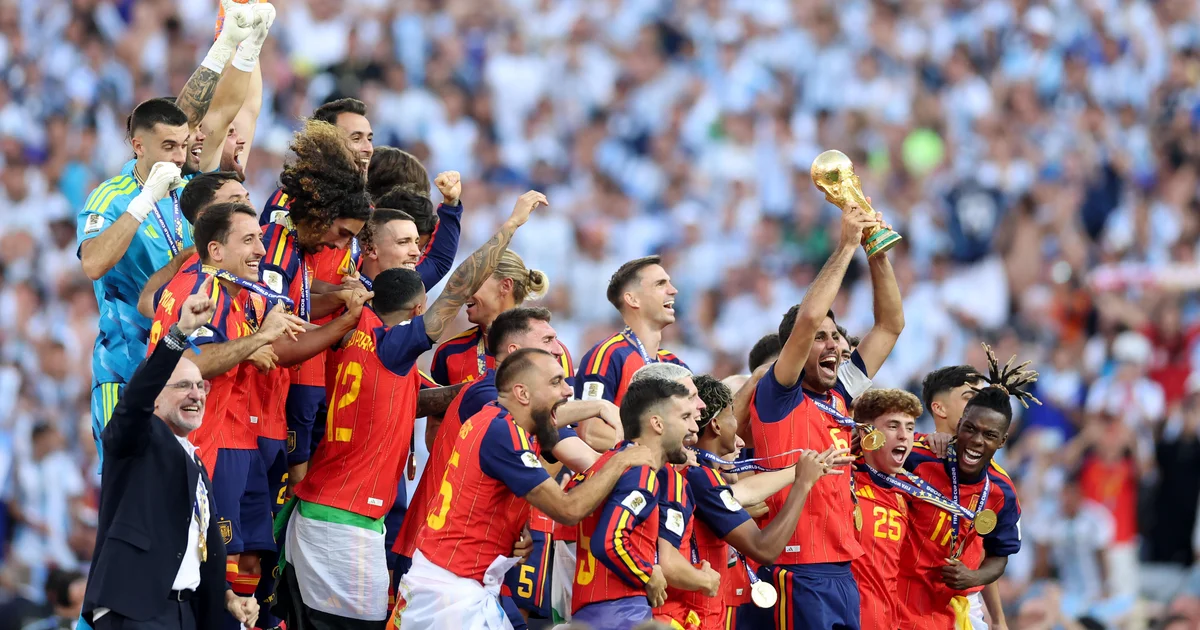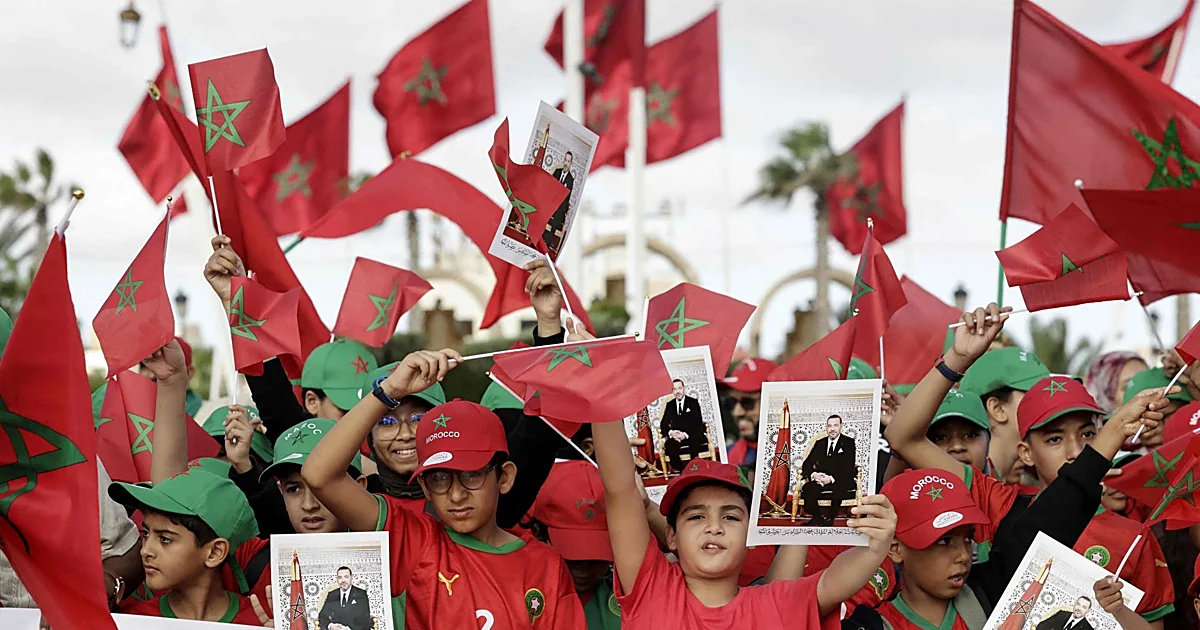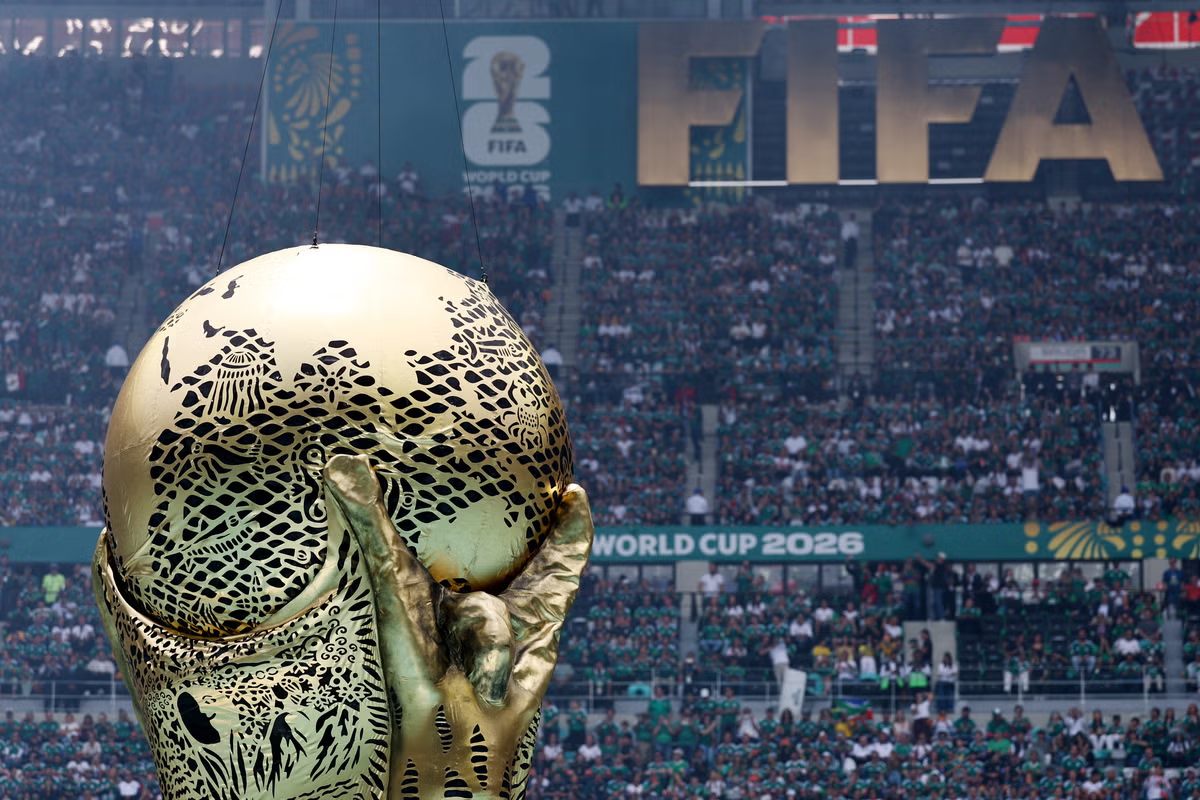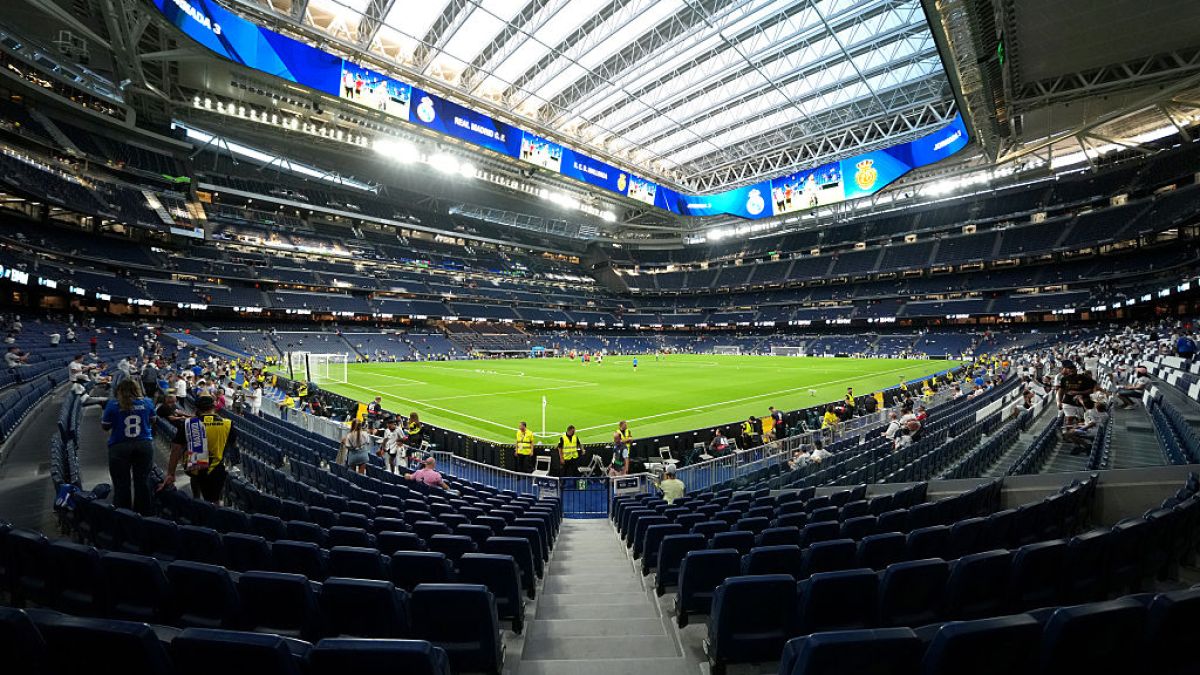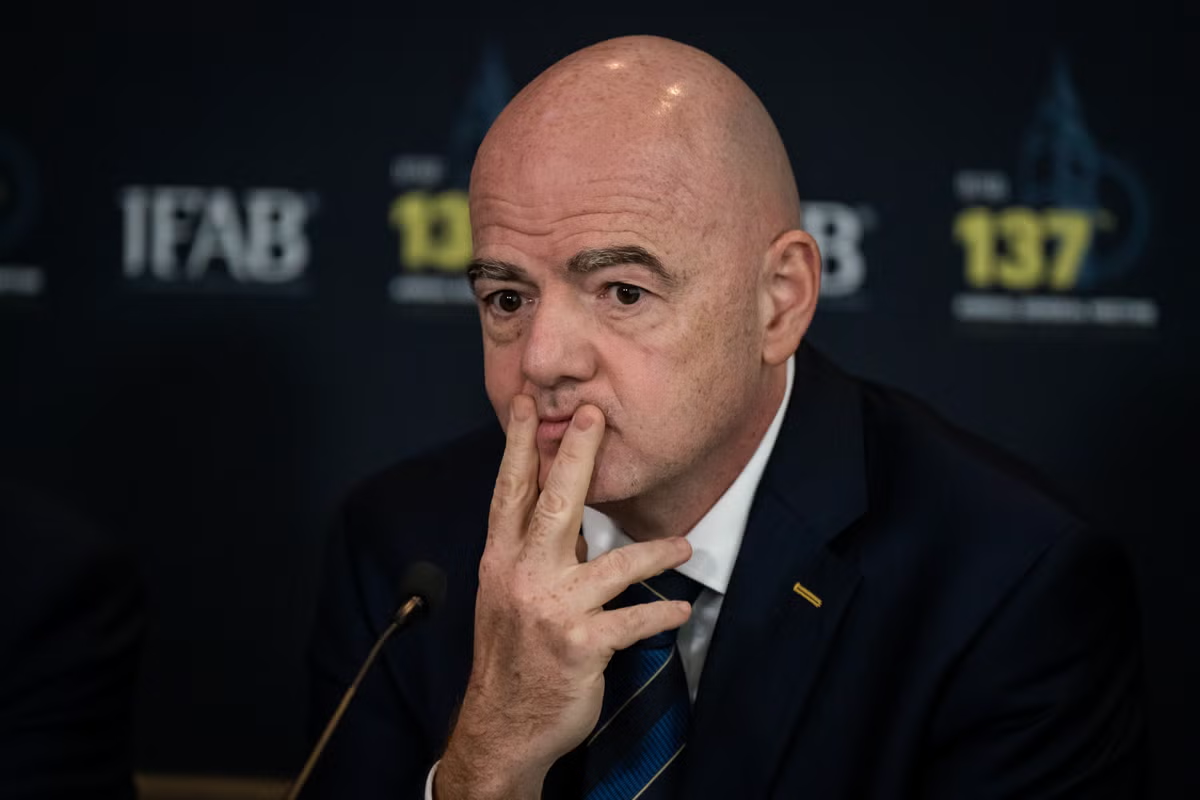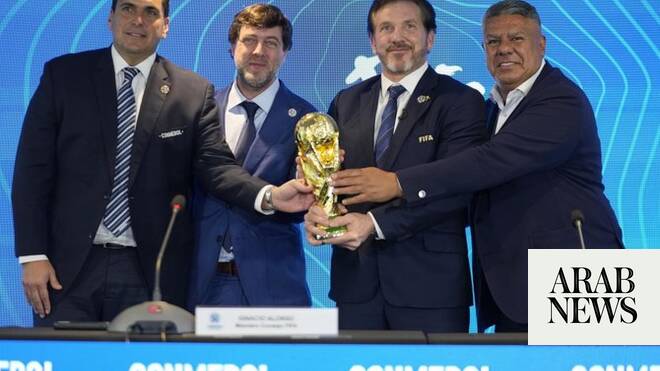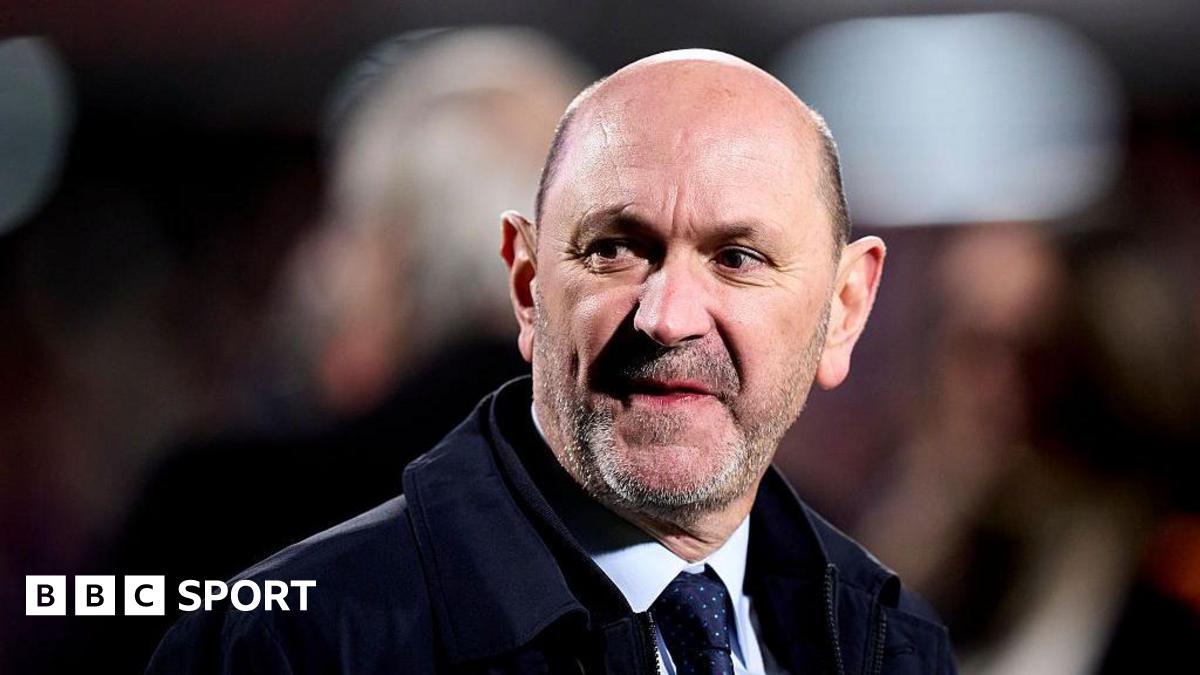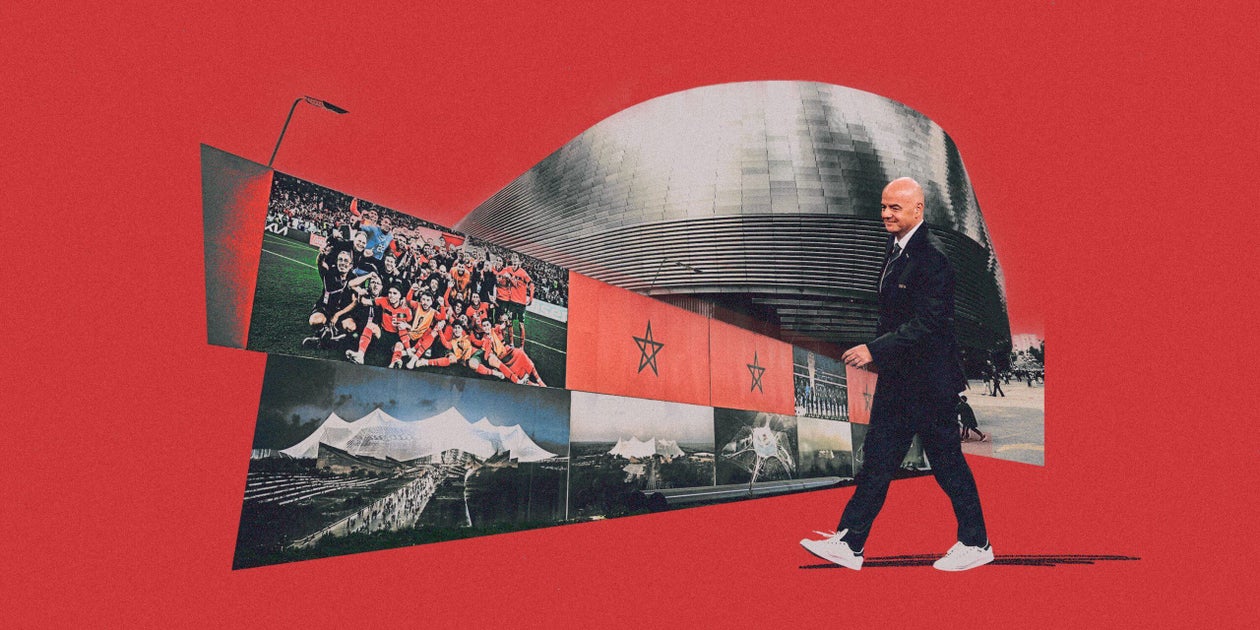
Sunday’s World Cup final ended with Spain winning the trophy for a second time, beating Argentina 1-0 thanks to Ferran Torres’ extra-time goal.Even before the presentation ceremony’s fireworks had faded into the evening sky over MetLife Stadium in New Jersey, thoughts were moving forward four years.The 2030 World Cup will be co-hosted by Spain, Portugal and Morocco, with its first three matches due to be played in Uruguay, Argentina and Paraguay as part of the centenary celebrations of the first World Cup, held in 1930.A joint bid for the tournament, which envisioned the other games to be played across 11 Spanish stadiums, six in Morocco, and three in Portugal, was formally accepted by FIFA in December 2024.But many of the details about the 2030 tournament are undecided, including the burning question among the host nations: which stadium gets the honour of staging the final, the biggest showpiece in world sport?Who looks to be ahead in the race?While Barcelona’s Camp Nou (still under renovation) meets FIFA’s requirements to host a World Cup final, Real Madrid’s Bernabeu has always been the preferred choice of the Royal Spanish Football Federation (RFEF).The Bernabeu is among world football’s most famous and iconic stadiums — the only ground to have hosted the finals of football’s World Cup (when Spain were sole hosts in 1982), the European Championship, the Champions League and the Copa Libertadores (South America’s Champions League equivalent).In recent years, the stadium has undergone a stunning €1.5billion (£1.3bn, $1.7bn) redevelopment that has added extra VIP, hospitality and media facilities, a futuristic ‘silver skin’ and 360-degree digital screens, all shown off when it hosted Spain’s first NFL game last November.The Bernabeu has been expensively renovated in recent years (Paul Hanna/AFP via Getty Images)Federation sources — speaking on condition of anonymity, like others in this article, as they were not authorised to speak publicly — told The Athletic last week that there are “many reasons” it make sense for the Bernabeu to host the 2030 final; Spain is the biggest of the organising nations, it will host more games through the tournament, the country has vast experience staging big events, and they are also the biggest footballing power — as seen by Luis de la Fuente’s team’s performance at the 2026 tournament.Another Spanish industry source familiar with the federation’s thinking added that sponsors and industry leaders would also be attracted by playing at such a historic stadium in the middle of one of Europe’s most visited capital cities.But the same person said that differences in how the Spanish and Moroccan federations and governments have been working since they officially became host countries has turned the situation around significantly.“Eighteen months ago, it was impossible for Bernabeu to lose the 2030 final, but today I wouldn’t be surprised, as the RFEF’s position is very weak, compared to everything Morocco have done,” the source said.What are Morocco doing about it?Even before FIFA had officially rubber-stamped Morocco’s World Cup co-host status, the country’s authorities began planning a new 115,000-seat stadium near Casablanca, Stade Hassan II.“We want the final,” Soussi Yassir, director general of Morocco’s Agence Nationale des Equipements Publics (ANEP), told Spanish paper AS in May. “We know that for many the Bernabeu is football’s cathedral, but it’s in the middle of a city and already built. Stade Hassan II is completely new. It’s easier to adapt to FIFA’s needs. Everything they ask for, they can have.”Government funding of about €1billion was provided for the new stadium. Public investment is also forthcoming to build infrastructure to meet all of FIFA’s requirements, including new train and motorway connections linking the stadium with Casablanca centre and the capital, Rabat.The huge investment fits within a government policy led by King Mohammed VI of making Morocco a football superpower. Central to the strategy has been the ambition and personality of Fouzi Lekjaa, president of the Royal Moroccan Football Federation (FRMF) since 2014.FIFA president Gianni Infantino, right, counts Moroccan federation president Fouzi Lekjaa as an ally (Abdel Majid Bziouat/AFP via Getty Images)The 55-year-old is among international football’s biggest power brokers, with positions including first vice-president of the Confederation of African Football (CAF) and membership of FIFA’s main decision-making council.Lekjaa has been a firm supporter of FIFA president Gianni Infantino, who was in Rabat in July 2025 for the opening of a new FIFA Africa office in the Moroccan capital — similar to the office in Miami where much of the planning for the 2026 tournament was overseen.
Spain and Morocco are competing to host the 2030 World Cup final. Who will win?
The countries are two of the co-hosts for the tournament and both are pressing their case to stage the biggest game in world sport
2,144 words~10 min read