On the morning of 9 April 2026, a small miracle of coordination is unfolding in the cognitive infrastructure of the planet.
A graduate student in Hyderabad is asking Claude how to tighten the argument in a paper on monetary policy. A copywriter in São Paulo is feeding ChatGPT the bullet points for a pitch deck. A civil servant in Warsaw is asking Gemini to draft a consultation response on housing density. A novelist in Lagos wants to know whether her second chapter drags. A thirteen-year-old in suburban Ohio is asking an assistant, any assistant, whether she should reply to a text from the boy she likes.
None of them know each other. None of them are writing about the same thing.
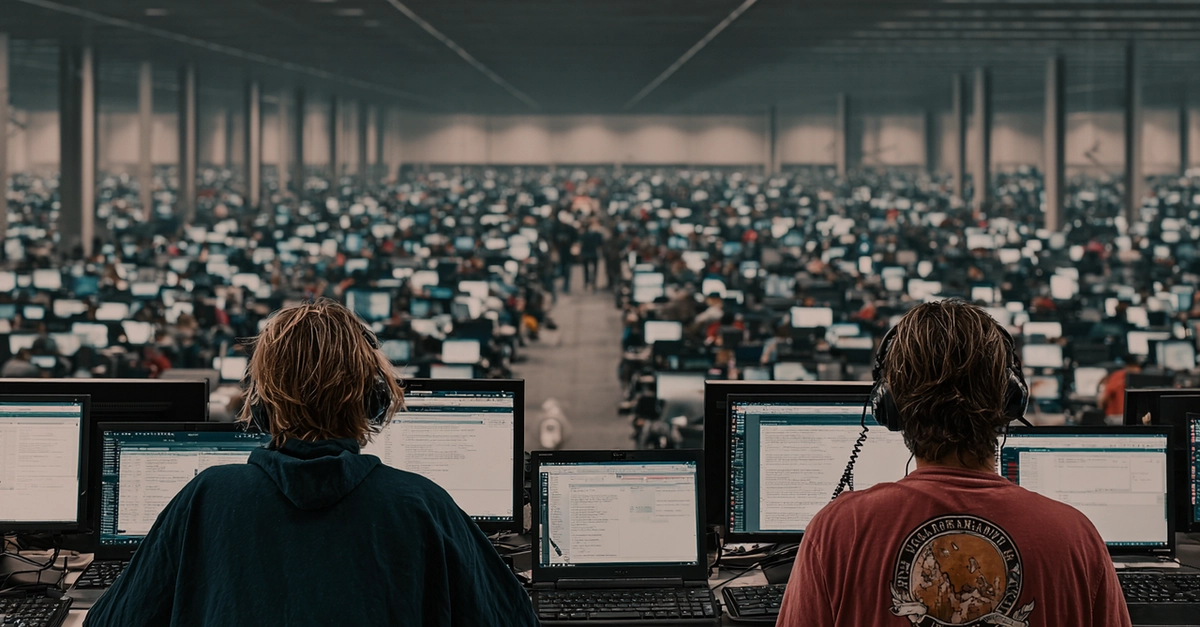
And yet the sentences they are about to produce will share more DNA than any comparable population of human sentences has shared since the King James Bible standardised written English in 1611. The cadences will be familiar. The rhetorical scaffolding will be familiar. Tactful three-point framing, tentative fourth consideration, breezy affirming close. Certain adjectives will recur at a frequency no unassisted population of writers has ever produced. And certain ideas, once prominent, will be faintly audible or missing entirely, as if someone had quietly removed a frequency from the signal.