Share
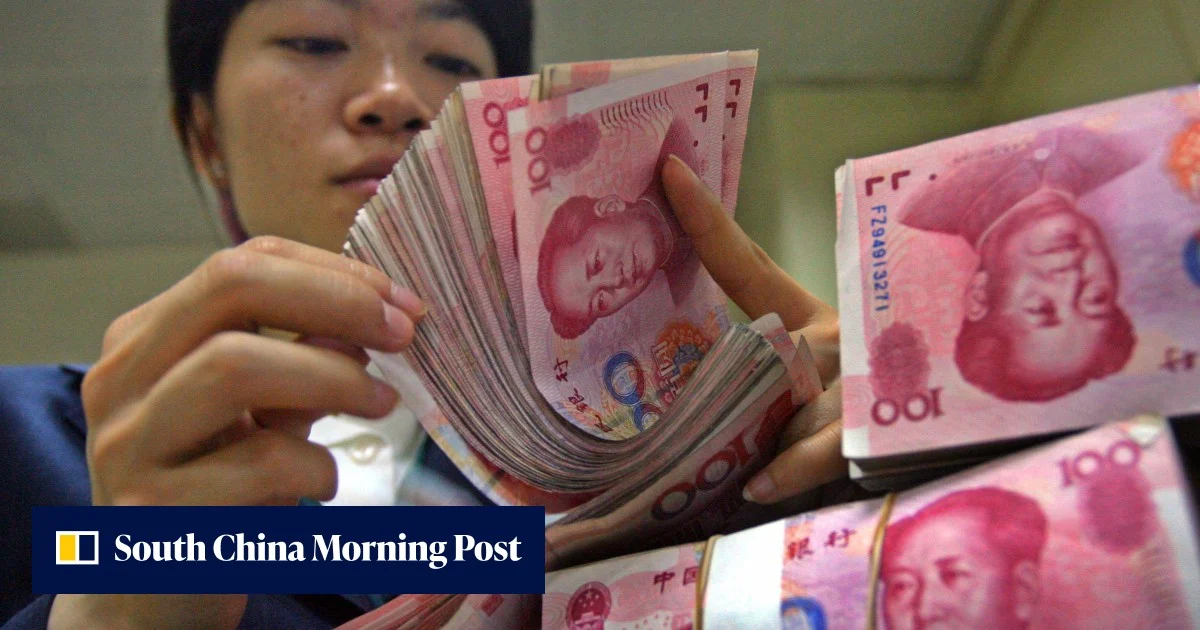
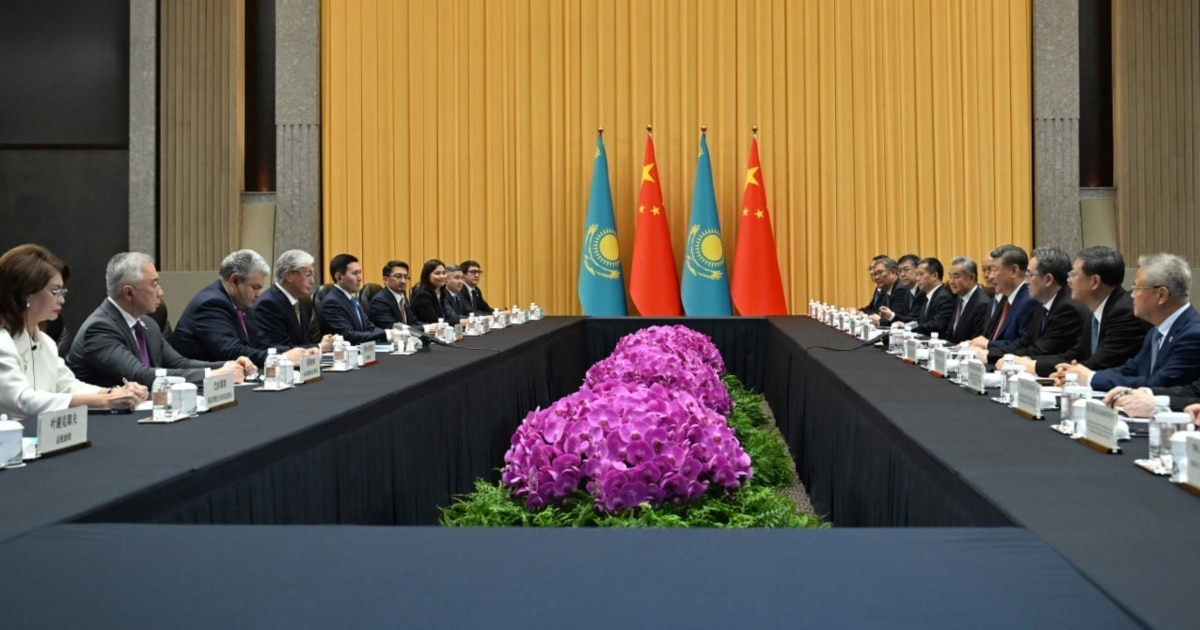
Kazakhstan has become the first Central Asian country to ride a global surge in the popularity of issuing yuan-denominated debt despite persistent concerns about the implications of Beijing’s growing economic dominance abroad.
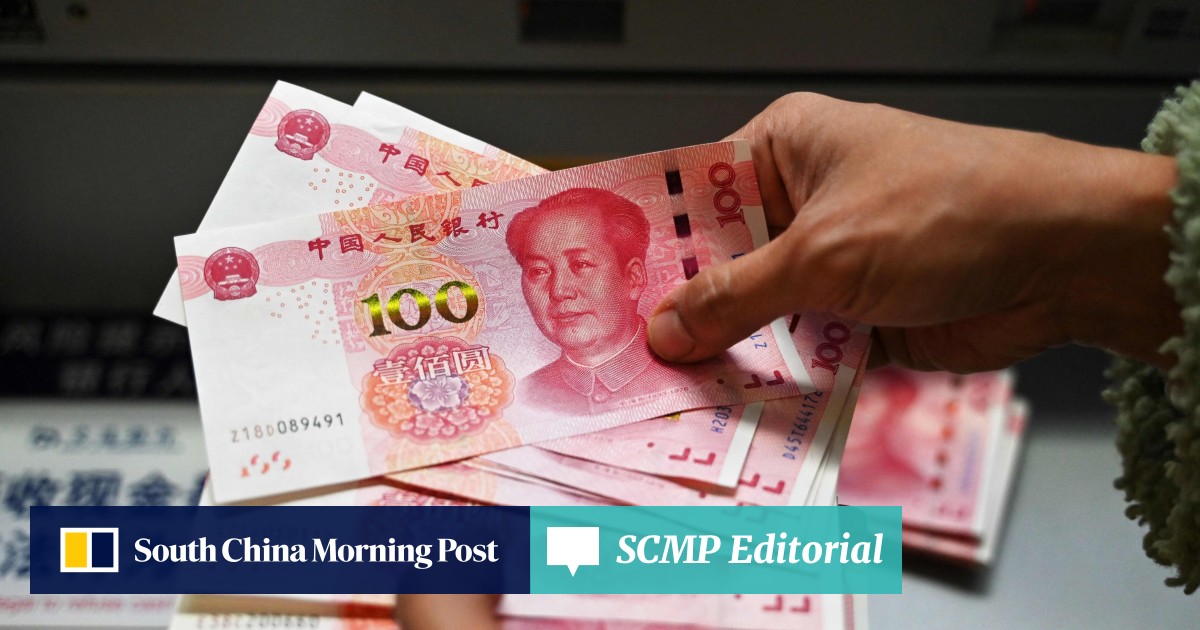
Officials at the People's Bank of China (PBOC), the country's central bank, have pledged to make so-called panda bonds, issued by foreign entities in Beijing’s onshore market, more accessible to investors.
Issuance has risen 60 percent in the first half of this year, exceeding 160 billion yuan ($23.6 billion), according to statistics published by PBOC. The attraction is China's accommodative monetary policy, which allows overseas issuers to raise funds at rates significantly lower -- often below 3 percent -- than they can on comparable dollar or euro markets.
By encouraging emerging markets and strategic partners to issue these bonds, Beijing not only advances its yuan internationalization goals, it also helps secure vital supply chains while cementing diplomatic and economic ties.