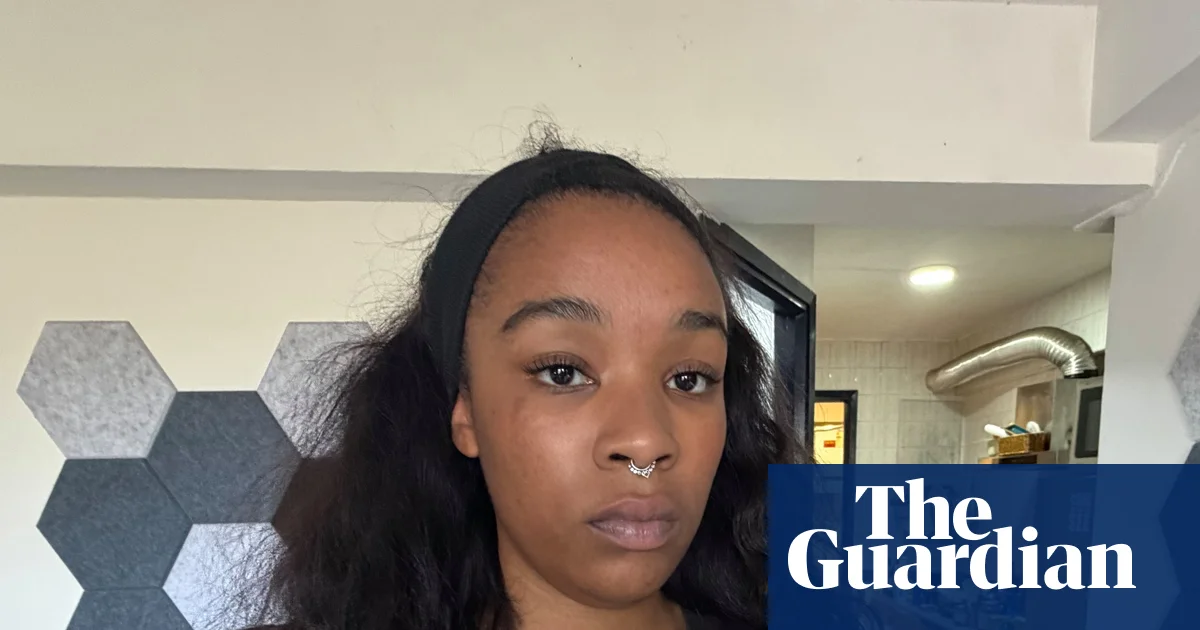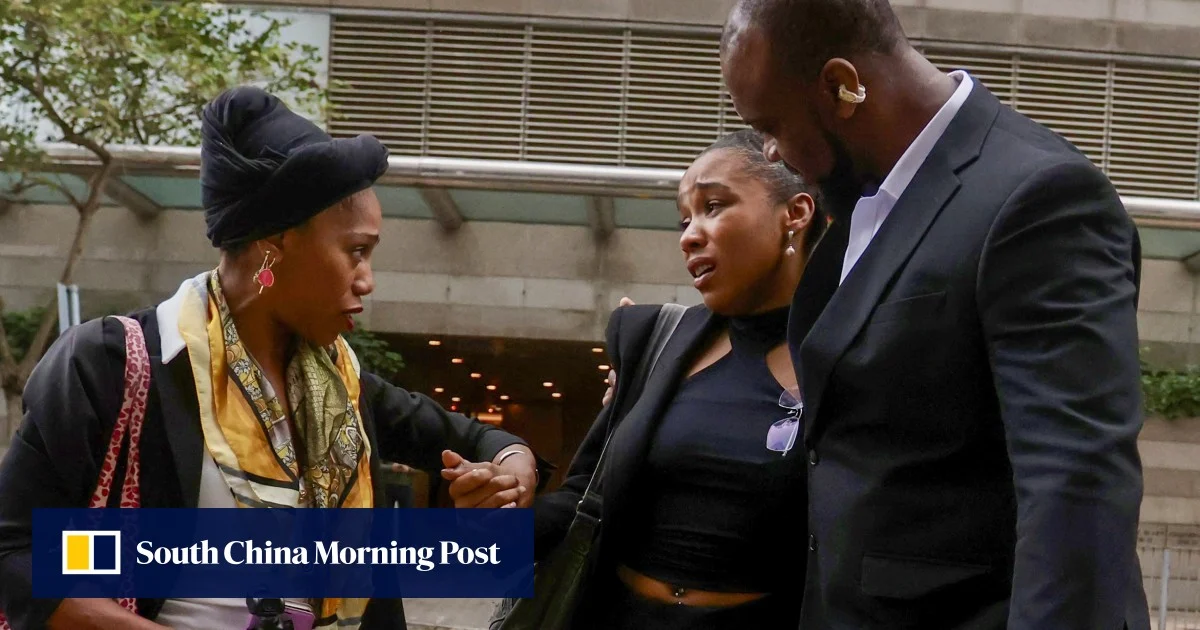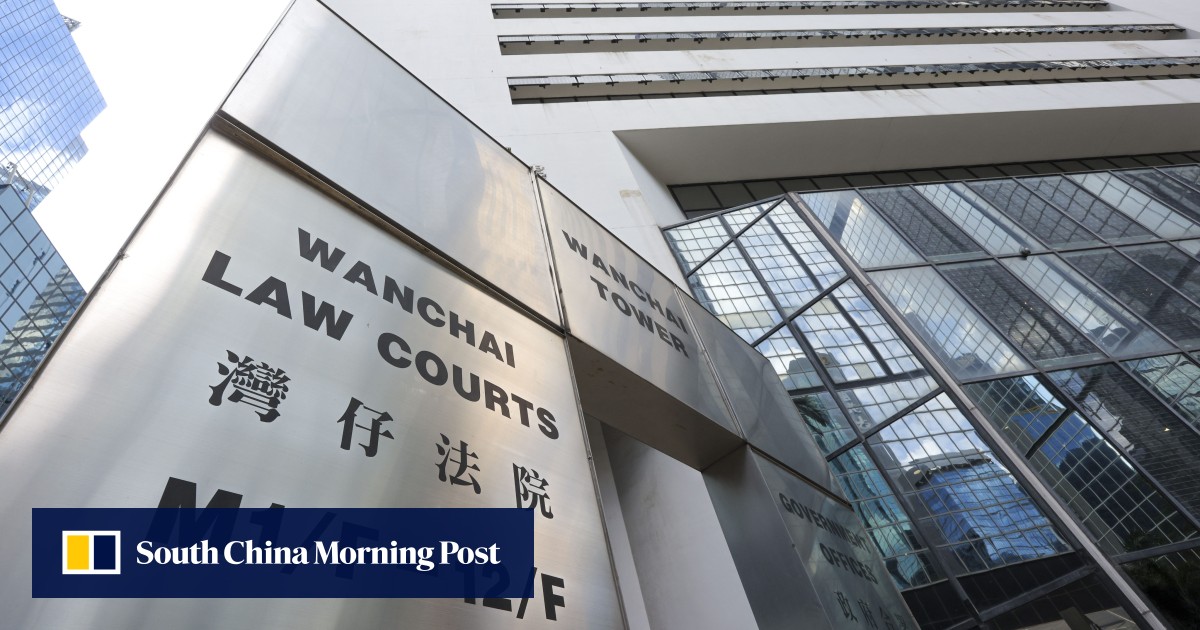
A 26-year-old British woman has been sentenced to six years in Hong Kong prison after reporting rape by a UK banker, who then accused her of blackmail.Isabel Rose from Hackney, east London, travelled to Hong Kong in early 2024 to visit a man she had previously met while travelling in Thailand.After reporting to the police she had been sexually assaulted, the man was arrested and later released without charge.She was then accused of blackmail and perverting the course of public justice, and spent the next two years effectively trapped in Hong Kong while on bail. In a trial on March 3 this year, the judge said the prosecution had proved beyond reasonable doubt that Rose was guilty of both charges.At a hearing on Wednesday, she was sentenced to five years for blackmail and three years for perverting the course of justice.One year is to be served consecutively, resulting in a total of six years’ imprisonment. Campaigners have argued the case raises wider questions about how allegations of sexual assault are assessed in Hong Kong, where a very small number of reported rapes ended in conviction. A 26-year-old British woman has been sentenced to six years in Hong Kong prison after reporting rape by a UK banker, who then accused her of blackmail Isabel Rose from Hackney, east London , travelled to Hong Kong in early 2024 to visit a man she had previously met while travelling in Thailand After reporting to the police she had been sexually assaulted, the man was arrested and later released without charge'I don't feel sad, just numb,' Rose told the BBC following her conviction, adding that she felt the whole experience of reporting the allegation left her feeling like her dignity was 'stripped away'.She awaited sentencing in the Tai Lam Correctional Centre, Hong Kong's oldest maximum security women's prison.She sat crying in the dock of Wanchai District Court when her legal team explained the verdict back in March.The 26-year-old grew up in south-east London, before attending boarding school in Eastbourne. She worked in creative marketing.In late 2023, she left the UK to teach English in Vietnam.During her travels to Thailand, she met a British banker, and the two stayed in touch over WhatsApp.While Rose was on holiday in Goa, the man invited her to Hong Kong, telling her he would pay for her flights. But 12 hours after arriving on January 31, 2024, she alleges she was attacked and raped by him in his apartment. The next day, she said he offered her compensation, that she originally refused, then later accepted.She reported the rape allegation to Hong Kong police on February 3.While the authorities first arrested the man, within hours they released him and arrested Rose.She was charged with blackmail and later with perverting the course of public justice.The police said there was insufficient evidence to pursue the rape case. Campaigners have argued the case raises wider questions about how allegations of sexual assault are assessed in Hong Kong, where a very small number of reported rapes ended in convictionAfter she was charged, Rose was released on bail but was prevented from working or leaving Hong Kong for two years while awaiting trial.'I'd just gone to the police to report rape and within about 30 hours there were six or seven police officers at my door,' she told the BBC.'It takes a lot to report something like that, to then be treated as a criminal. I felt like my dignity was stripped away.'Rose was not given anonymity when the case was heard in court.The judge rejected Rose's evidence and pointed to inconsistencies in her allegations.In a 300-page judgment, the judge accused Rose of wielding the romantic connection to manipulate the banker.The judge said she had made escalating demands for money and knowingly made a false allegation to the police that led to his arrest.WhatsApp messages exchanged between Rose and the man she accused - sent in the hours and days after the alleged attack - have come to light.In one message, Rose wrote: 'You violated me last night, I didn't wanna have sex.'He replied: 'I'm really deeply sorry, I was slightly drunk and I misread your signals, it's no excuse and I know it doesn't make it any better.'The man told the court he understood this as a reference to 'emotional violation' and not a rape. He claimed that he read the message in two parts.The court heard that Rose later asked for monetary compensation.'Can you send me the money you owe me,' she wrote in one message.He subsequently transferred £5,000 to Rose. She then requested an additional £5,000 which he tried to send but was stopped by bank checks.Rose claimed that the money was compensation he had offered for flights, accommodation and medical costs.She later sent a message saying: 'You've given 10 per cent of what I'm owed. 100 per cent of my soul gone.'The judge accused Rose of demanding £100,000 and threatening to go to the police - claims that Rose denied in court. The prosecution said the payments amounted to blackmail and that her report of rape to the police was false.In other WhatsApp messages, the banker described an experience where an ex-partner asked him to indulge in non-consensual sex fantasies.The judge described Rose's behaviour before and after the allegation as 'wholly inconsistent with rape'.But according to women's rights groups, trauma responses to violence do not follow the pattern that the public, police or courts may expect.'Trauma does not follow a script,' said Ngozi Fulani from Sistah Space, a London-based charity which supports women of African and Caribbean heritage affected by domestic and sexual abuse.'After sexual violence, survivors send texts that sound normal. They may stay in contact. They minimise. They struggle to give consistent accounts when retelling events,' she told the BBC.Campaigners say the case raises wider questions about how sexual assault allegations are assessed in Hong Kong - where less than half of rape victims report their cases to the police, according to Rainlily, a sexual violence crisis centre.Hong Kong is currently in the process of reforming its sexual offences laws, many of which haven't been changed since the 1970s.This year, the government is planning to hold a public consultation on the reform of the laws. Rose said there were difficulties while reporting the allegation.She said she had to repeat the case several times to several different police officers over 12 hours, and no recording was made of her statement.She said there was no translator present and her forensic tests were carried out by a male doctor. Later, the results came back inconclusive, neither proving nor disproving the alleged rape.Rose said after she was arrested she was transferred to a police cell and then a hospital, where she was handcuffed to a bed.She said she was told to take medication and was threatened with being transferred to a mental institution. In 2024, Rose's mother Aysha Bell travelled back to London to report the alleged rape to the Metropolitan Police.Under the UK law, police are able to investigate certain sexual offences committed overseas by British nationals.In a statement, the Met told the BBC that 'enquiries remain ongoing'.The force added: 'Currently, due to a lack of jurisdiction in the relevant country, the Met Police are unable to pursue relevant enquiries until the victim returns to the UK.'
Woman sentenced to six years in Hong Kong prison after reporting rape
Isabel Rose from Hackney, east London , travelled to Hong Kong in early 2024 to visit a man she had previously met while travelling in Thailand.
1,215 words~6 min read