Wednesday, July 22nd 2026 - 09:26 UTC
UK will have its seventh prime minister in the ten years since it voted to leave EU. It begs the question: what is it about the UK that makes governing it so difficult at this point in time?
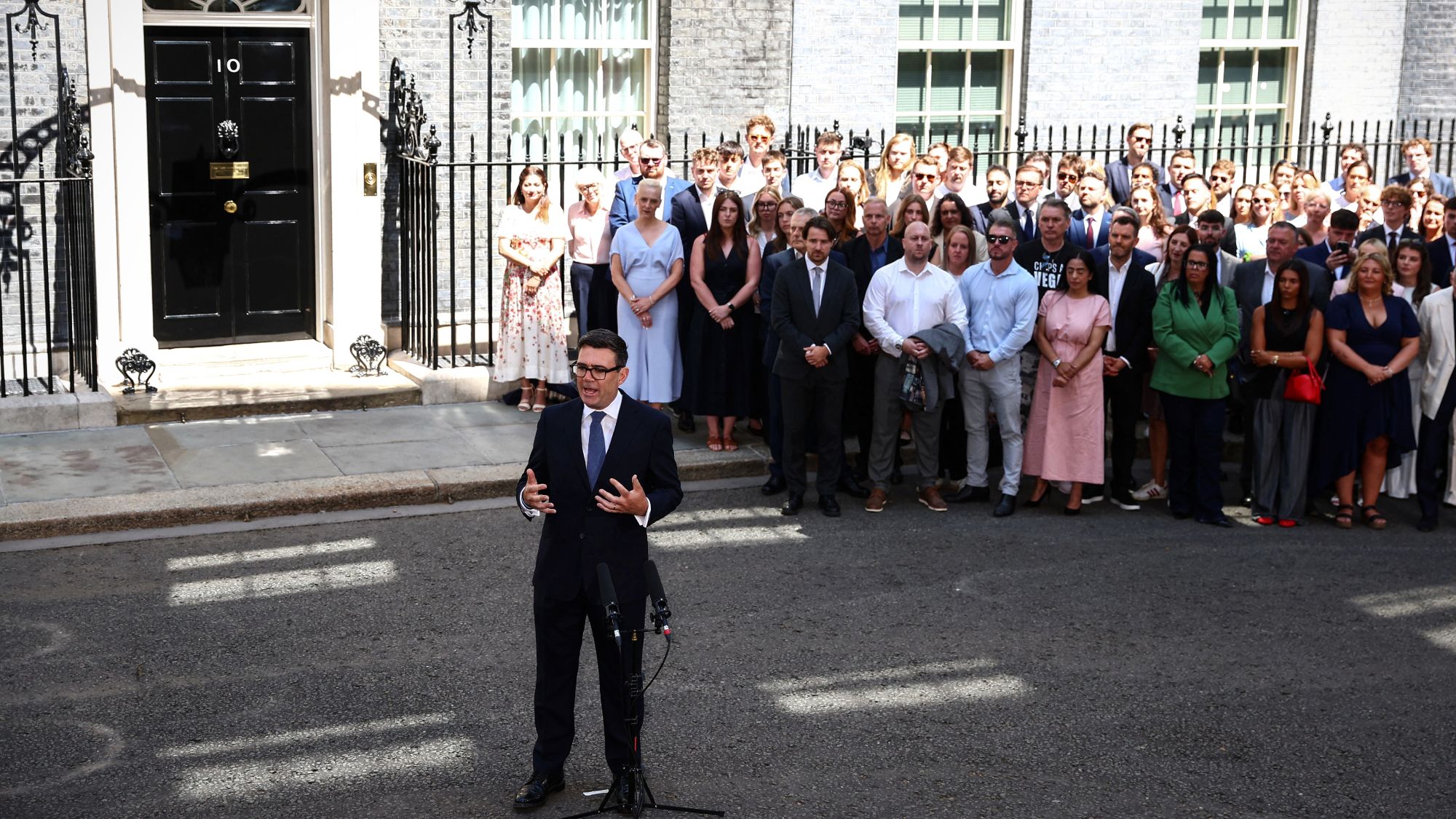
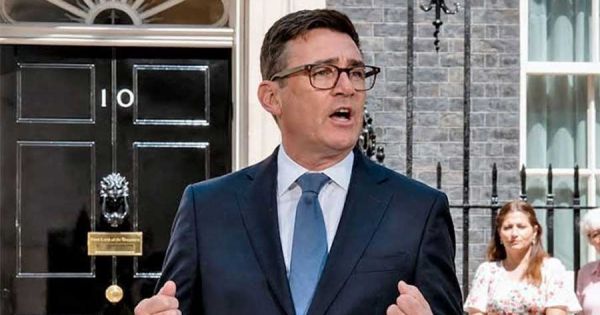
By Ben Wellings, Associate Professor in Politics and International Relations, Monash University - When Andy Burnham was handed the keys to 10 Downing Street on Monday, the United Kingdom will have its seventh prime minister in the ten years since it voted to leave the European Union. It begs the question: what is it about the UK that makes governing it so difficult at this point in time?
At the risk of sounding like a broken record, a large part of the answer is Brexit. But Brexit only expressed and exacerbated some of the structural problems the UK still faces today: cynicism, pessimism and political polarization; uncertain relations with the rest of the world; declining living standards for the poorest in society; a sense of social fragmentation; poorly maintained public services… and England knocked out of the World Cup in the semi-finals.
The last point is not trivial, at least in as much as it draws attention to the structure of the UK. The political elephant in the room is England. Specifically, it is the politics of nationhood in England that Burnham needs to address if Labour is to retain office whenever the next election is called.