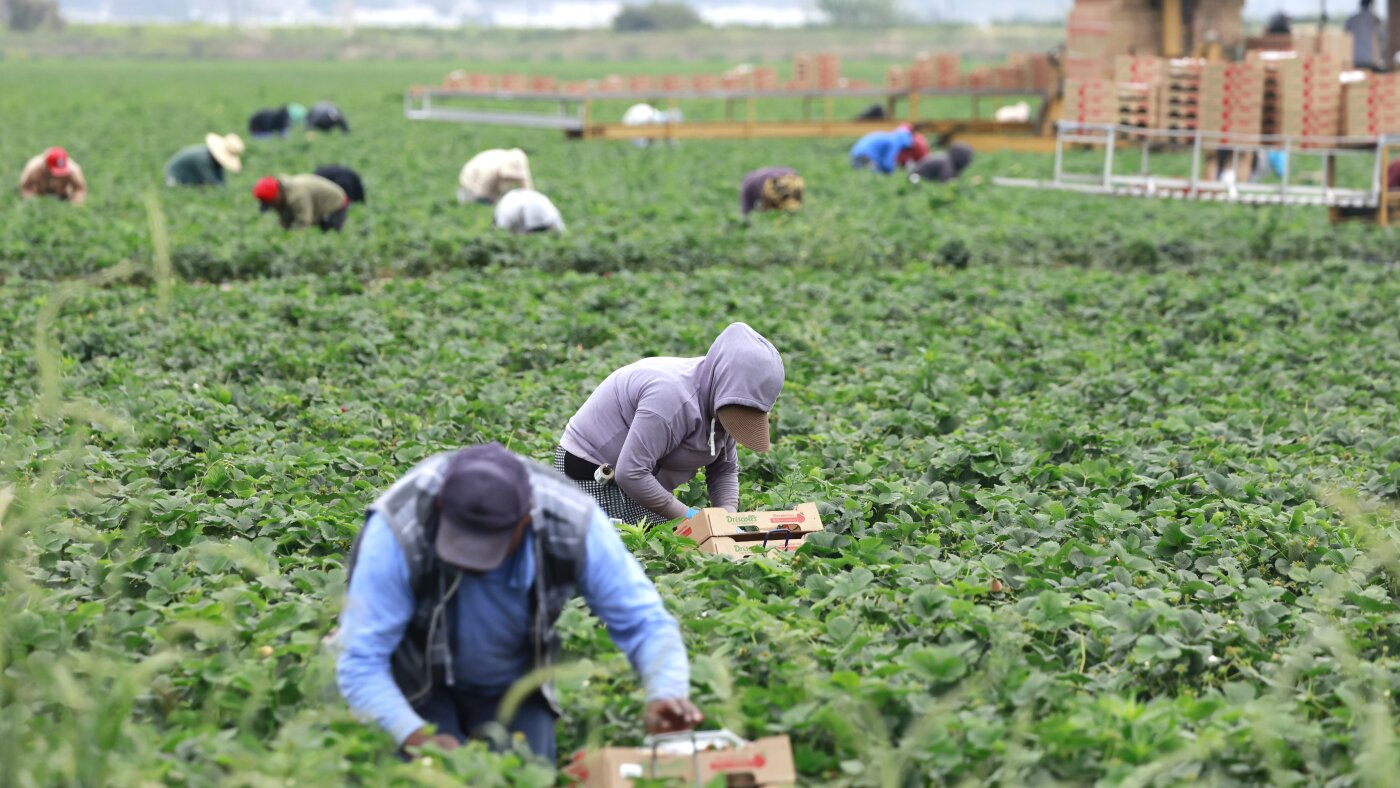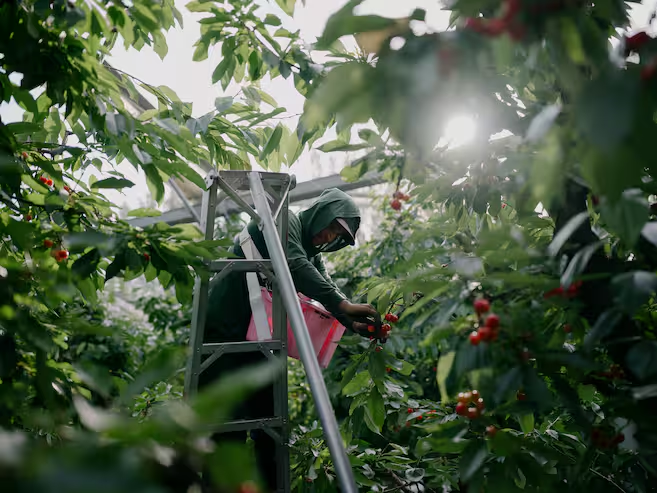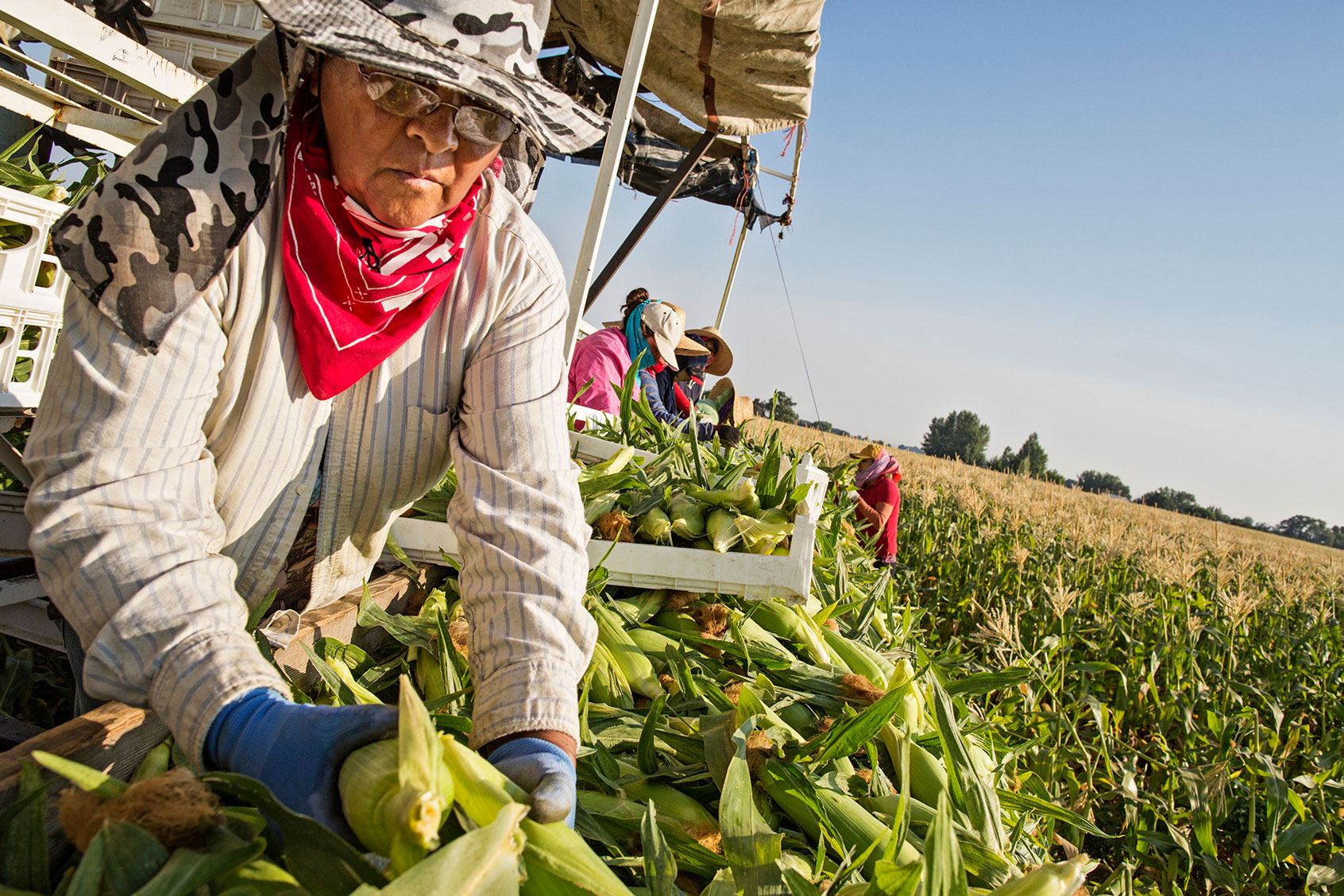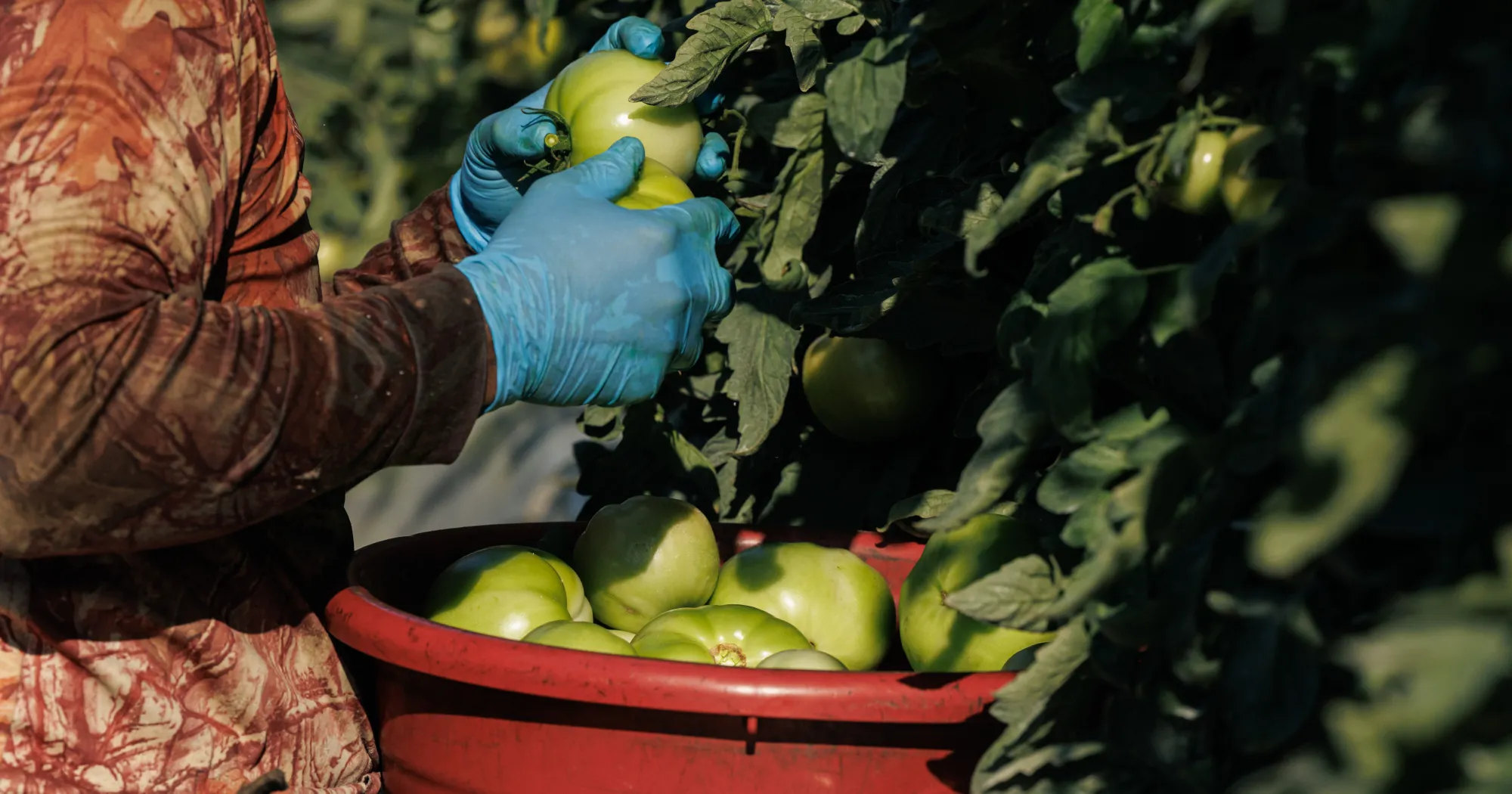
It’s been nearly two years since I started reporting on abuses of foreign farmworkers in Georgia. Some of the workers I tracked down had come to the U.S. legally through the H-2A visa program and were harmed and exploited by labor contractors — despite protections that were supposed to be guaranteed by the federal government.
During those two years, I’ve thought a lot about how the government’s obligation to keep foreign workers safe has collided with another priority: to help U.S. farmers stay in business.
Farmers have long pushed for fewer H-2A regulations. That’s in part because of the skyrocketing costs of the program, which sets minimum hourly wages and requires that farmers pay for workers’ housing and transportation. As one Georgia farmer wrote last year in a letter to the U.S. Department of Labor, “It has felt like every policy that pertained to the H2A program was made focusing solely on the benefit of the migrant worker.”
All of that brings to mind a freezing cold weekend in January 2025, early on in my reporting, when I showed up at a farmers’ conference in Savannah, Georgia. What the farmers sought at that gathering — and what happened in the months that followed — exemplifies the tension between keeping workers safe and keeping farms solvent.