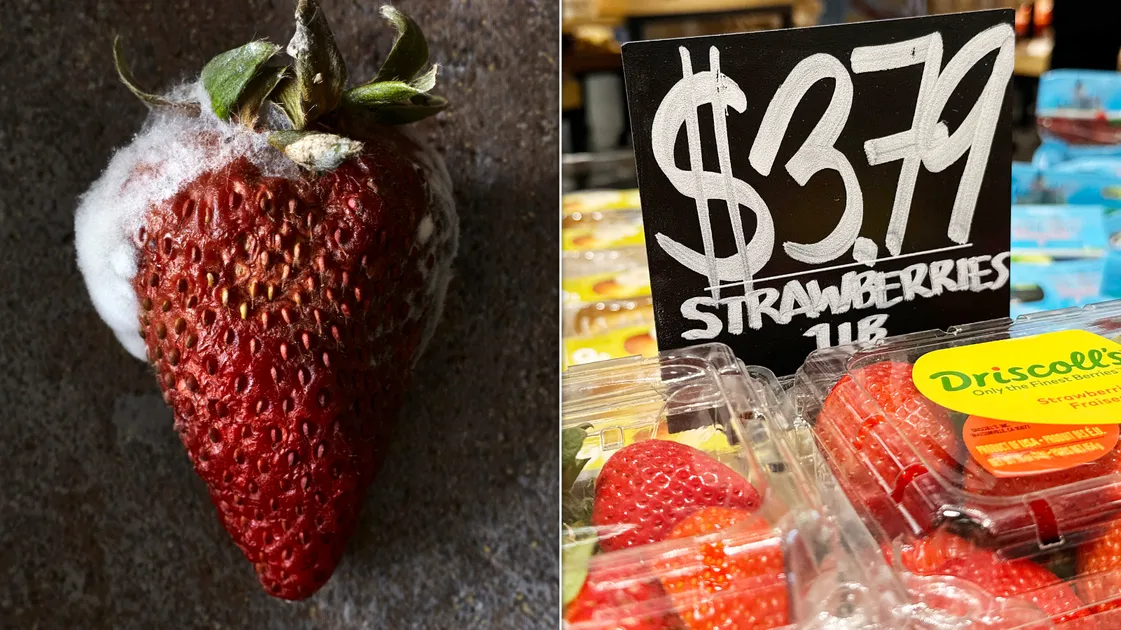
Scrolling through social media, a troubling new set of reels keeps popping up in my feed: farmers, alongside news reports, sharing videos of fields full of ripe crops going unharvested as immigration crackdowns scare off — or deport — the workers needed to pick them.According to a 2022 government survey, 42% of farmworkers lack work authorization, and 19% are authorized immigrants (but since the Trump administration appears to be targeting immigrants even here legally, this group may also be in the crosshairs). Depending on the agricultural sector, undocumented immigrants can exceed 50% of farmworkers.Experts, including the U.S. Labor Department, have been warning about this moment since the Trump administration began ramping up deportation raids. The logic is simple: no workers = no produce. But is that really what will happen? Empty grocery store shelves? Food prices climbing even higher than they already are?To sort through what consumers should actually expect, HuffPost spoke with agricultural economists, farm labor experts and food safety specialists to unpack the economic ripple effects, potential supply chain disruptions, and any legitimate food safety or quality concerns tied to unharvested crops.Jeremy Hogan via Getty ImagesSeen here, mature soybeans remain unharvested — something we could see more of if Immigration and Customs Enforcement raids are scaring off the workers who used to pick them.Are immigration crackdowns affecting harvests yet?It depends on where you live, according to David Ortega, professor and Noel W. Stuckman Chair in food economics and policy at Michigan State University, who explained, “Currently, we’re seeing anecdotal reports of localized disruptions, but not broad, national‑level indicators that would suggest a systemic impact on food availability or prices.”Raids in California, Oregon and now Minnesota have disrupted farm operations and left some growers scrambling to fill shifts. In one Oregon case, a farmer estimated losses of up to $300,000 in unharvested crops.So yes, in some places, this is already affecting harvests — just not everywhere, and not at scale.The effects go beyond those who are deportedEven if the data — or what’s showing up on shelves — hasn’t caught up everywhere, some workers are staying home rather than risking getting swept up in a crackdown, according to Zachariah Rutledge, assistant professor in the department of agricultural, food, and resource economics at Michigan State. “I just finished running a survey in California and have not released the results of the survey yet, but we are finding evidence consistent with ‘chilling effects’ where farmers stated that general reports about immigration enforcement from the media or other sources have led to some reductions in workers showing up to work on California farms.”In other words, the impact isn’t always about who’s detained — it’s sometimes about who is afraid to show up.Where the impact will be felt first“Fruits and vegetables rely heavily on hand harvesting, and many of these operations depend on immigrant labor, including undocumented workers,” Ortega explained. “Regions like California’s Central Valley, Michigan’s specialty crop sector, Florida’s fruit and vegetable sector, and parts of the Pacific Northwest are particularly exposed.”A recent report by the Calx Institute found that California, Washington, Texas, and Florida would be the hardest-hit states, with a potential reduction in fruit and vegetable production of 15-20%. Mario Tama via Getty ImagesDown the line, keep an eye on prices for produce like strawberries that need to be harvested quickly.Think strawberries in July, tomatoes at their peak, lettuce that can’t sit in the ground for long. These are crops that have to be picked by hand, often quickly. Without enough workers, some of that food doesn’t get harvested at all. In other words, if ICE raids continue to disrupt farm labor, you’re most likely to feel it in the fruit and vegetable section of your grocery store.Will prices increase?After the collective trauma of paying $6 for a carton of basic eggs and what feels like half a decade of inflation, I regret to inform you: Yes, prices could go up.“If a major harvest is compromised, wholesale prices can rise quickly within days or weeks, and retail prices typically adjust within a few weeks or a month,” Ortega said.In a case study on the ICE raids in Oxnard, California, researchers estimated the result was a 20-40% reduction in the workforce, leading to a $3 billion to $7 billion loss in crops and a 5-12% rise in produce prices. Will store shelves start to look empty?Higher prices aren’t the only possible outcome. Think back to the pandemic, when grocery shelves went bare. We could be facing a similar kind of disruption.“Crop loss would happen,” said Jonathan Sarager, senior director of federal government affairs for the Western Growers Association, noting harvest times can’t be slowed down, especially when dealing with highly perishable food. “Labor costs wouldn’t go higher — it would simply put folks out of business, we would see more consolidation of farms as the smaller operations couldn’t keep their doors open.”In a best-case scenario, most consumers may not notice much, even if the impact is being felt behind the scenes across the agriculture industry.“The U.S. food system is designed to smooth out regional shocks through national distribution networks and imports,” Ortega said. “Actual shortages are less common and usually occur only when a disruption affects a dominant production region during a critical window. Whether shoppers see higher prices or supply gaps depends on the availability of substitute growing regions, the perishability of the crop, and the ability of retailers to source from abroad.”
Trump’s Immigration Crackdown Has Triggered This ‘Chilling Effect’
Experts, including the U.S. Labor Department, have been warning about this moment since Trump took office.
903 words~4 min read