Get the latest news and updates from Dawn
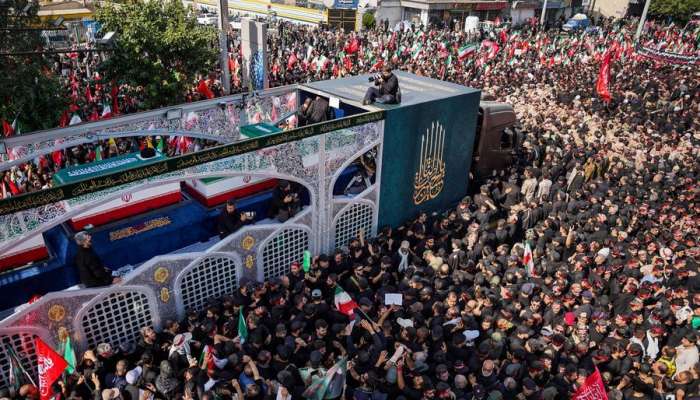
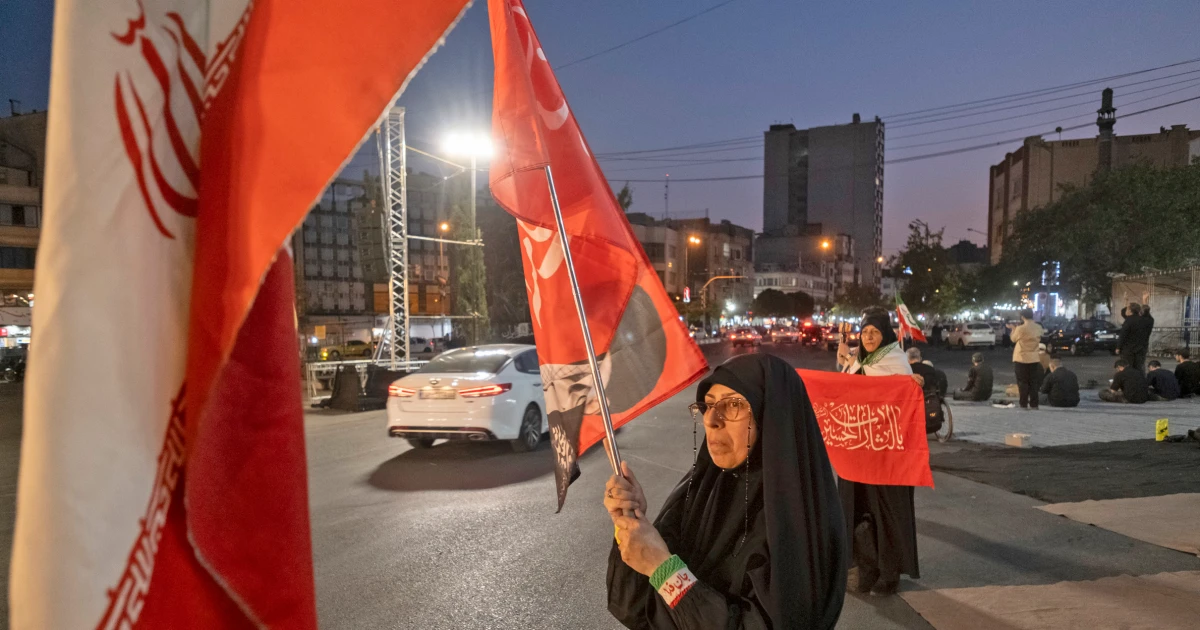
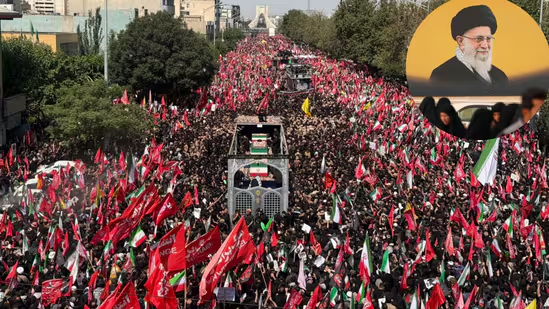
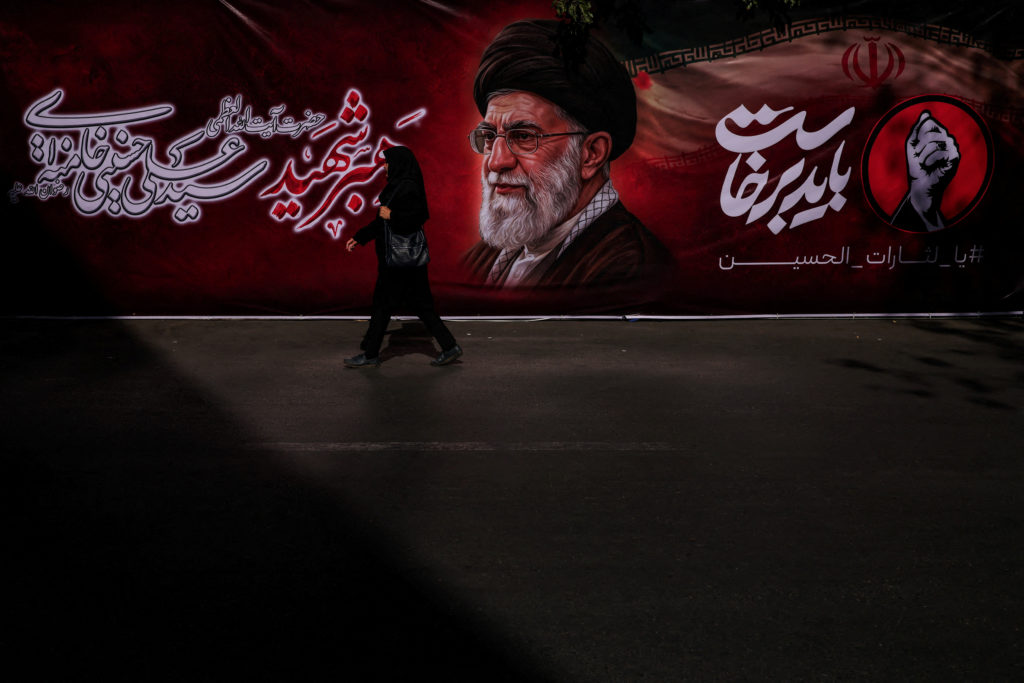
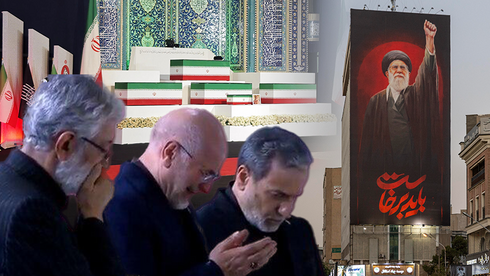
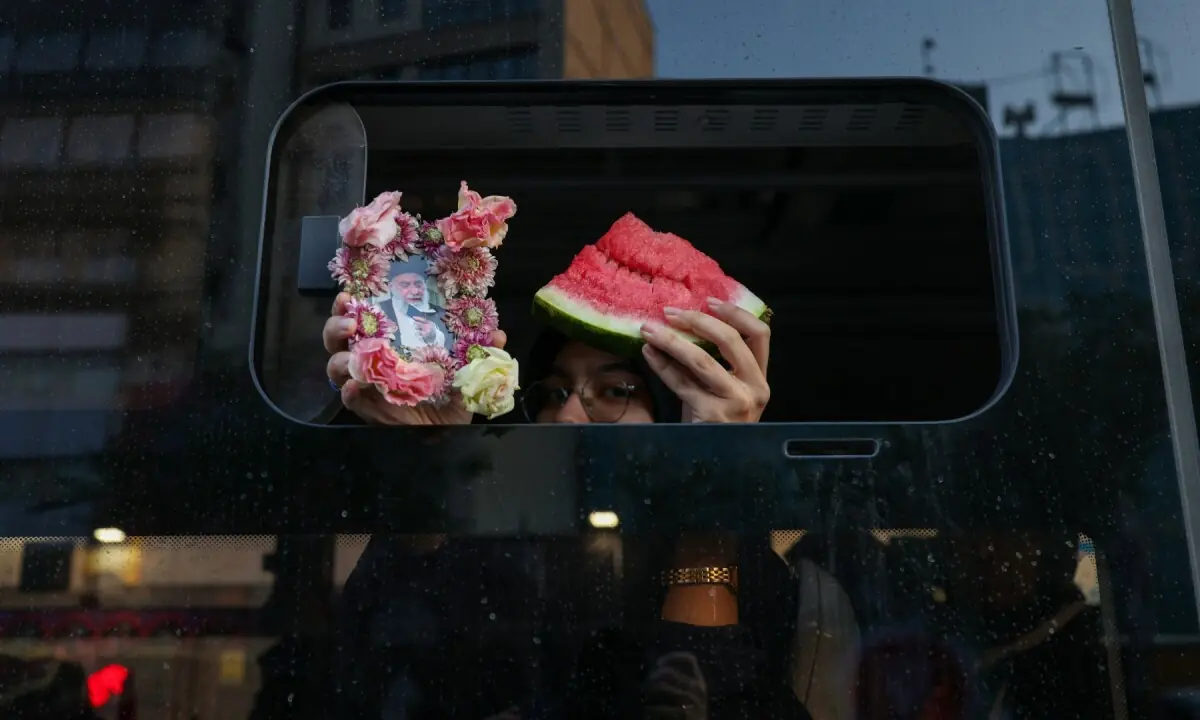
Tehran is red and black when I arrive. Millions of people in black mourning attire carried red flags, the stark emblem of blood and martyrdom, seeking revenge for their leader, Ayatollah Ali Khamenei, who was assassinated on February 28. “We Must Rise,” declare the banners. War songs ricochet off the walls in streets punctuated by elegies on the martyrdom of Imam Husayn and his Companions at Karbala. This is collective grief channelled as state resilience. An elderly supporter I meet, Akbar Ali Jafari, puts it like this: “The war has given the Revolution a new lease on life.” The founding purpose is resurrected and its leadership cast as embattled defenders of the nation rather than an ageing, contested regime.
In early July, a towering fist was constructed a few days before the funeral proceedings of the slain leader. The Islamic Revolutionary Guard Corps (IRGC) chose Revolution Square as the spot to assert that the Islamic Republic stood undefeated. What unfolded during the funeral proceedings was a grand spectacle of unity and continuity orchestrated as much for domestic consolidation as for Western consumption.
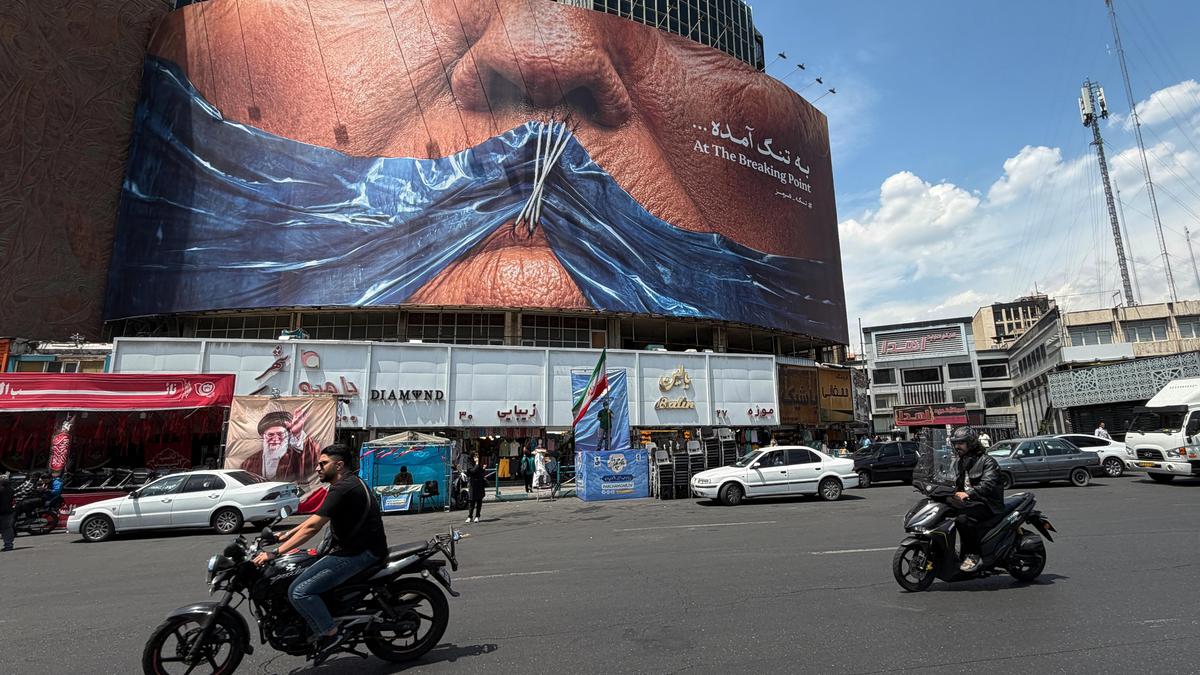
The day after the state funeral in July, the scene changed. Art galleries around Enghelab Square reopened, women in t-shirts and jeans sketched with their heads uncovered. In the affluent Tajrish or centuries-old Grand Bazaar, boys and girls sped by on motorbikes or hung around vaping. In Pasdaran, cafes filled with couples holding hands or groups of youngsters talking over each other loudly.