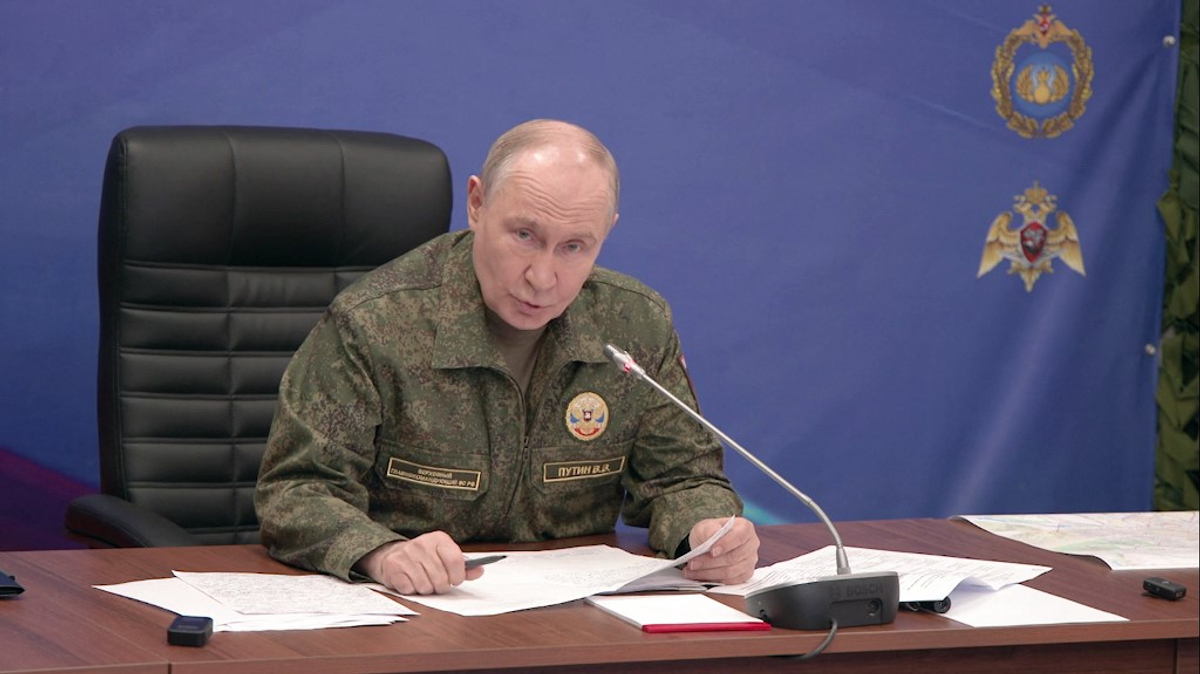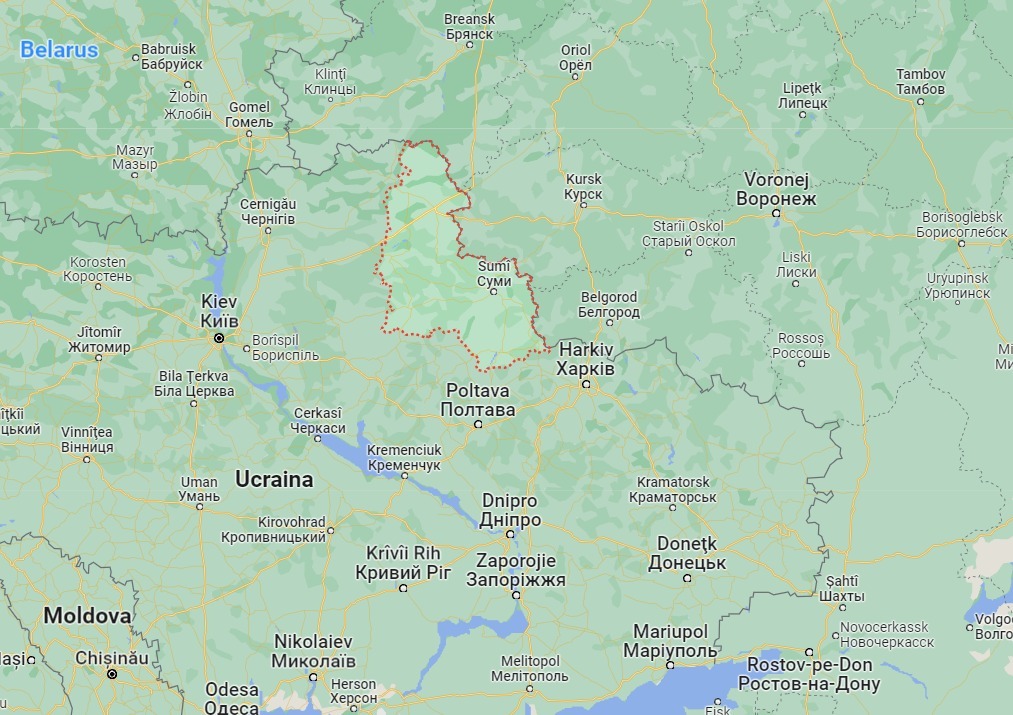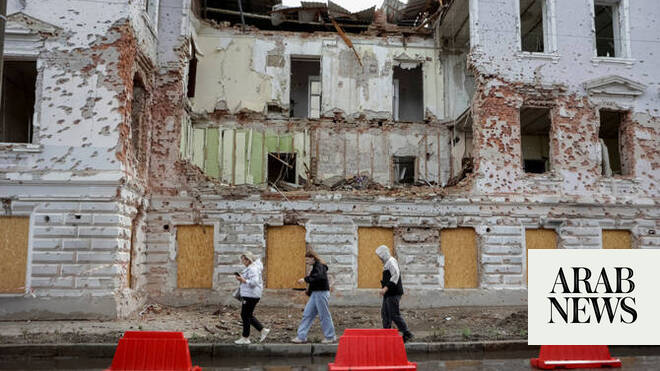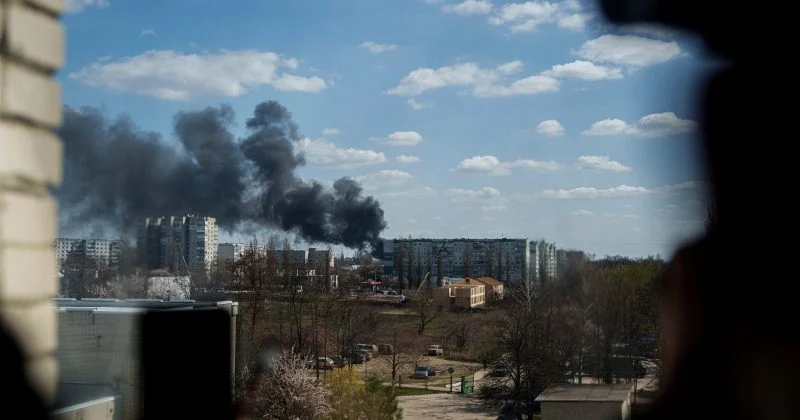
Recent developments indicate that the Kremlin remains adamant about retaining control over occupied Ukrainian territories, including parts of Sumy and Kharkiv, which are being considered as buffer zones. This stance, coupled with former President Trump’s actions, could complicate peace negotiations. The Russian government’s refusal to return these territories suggests an ongoing commitment to its current war aims, potentially making any peace deal less palatable. This situation has led to observable impacts on prediction markets, particularly concerning the likelihood of Russian military actions in Ukrainian cities.
Markets reflect a decreased likelihood of Russian military entry into Sloviansk by the end of 2026, with the “Russia Cities Entry” market showing a decline to 17% YES, down from 18% a day prior and 22% a week ago. This shift comes amid reports of continued Russian military focus on northeastern Ukraine, specifically in areas like Sumy and Kharkiv, which are strategically significant due to their proximity to the Russian border. Market participants appear to interpret these developments as indicative of a persistent Russian military presence rather than a move towards de-escalation.