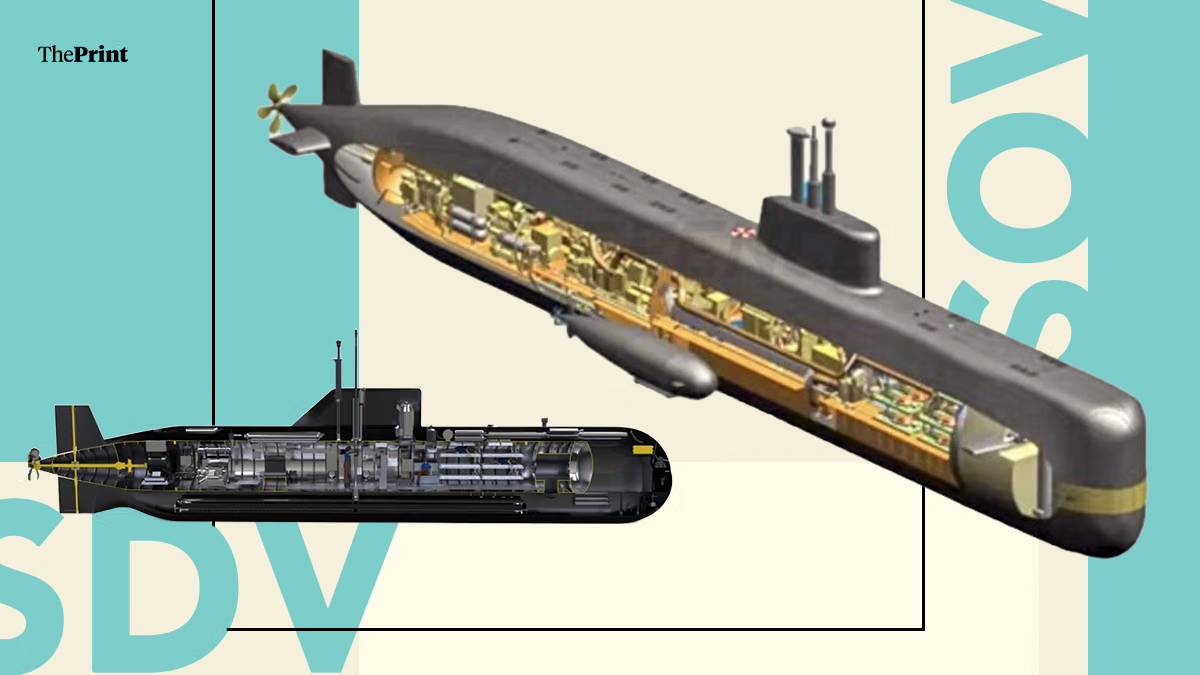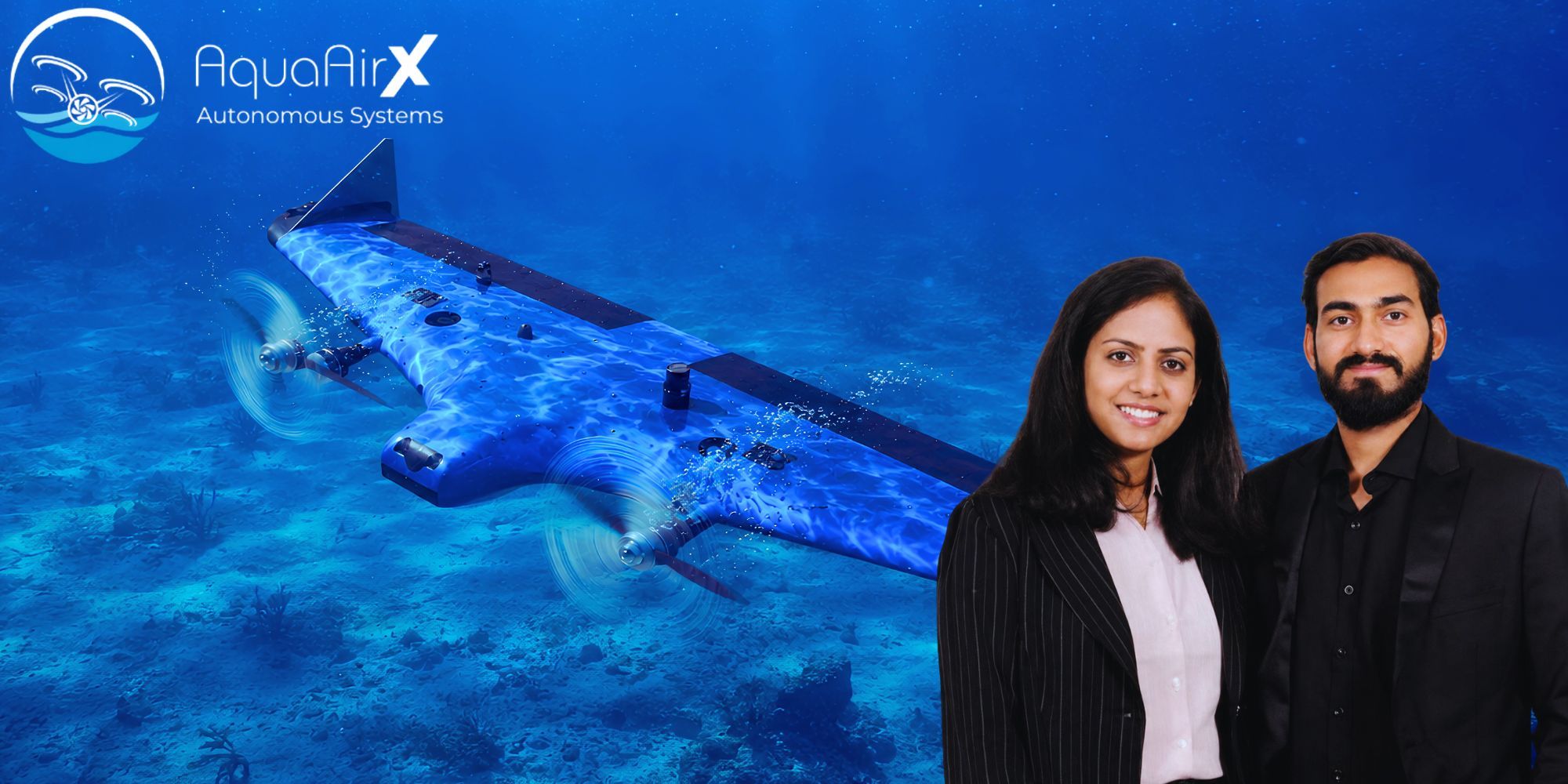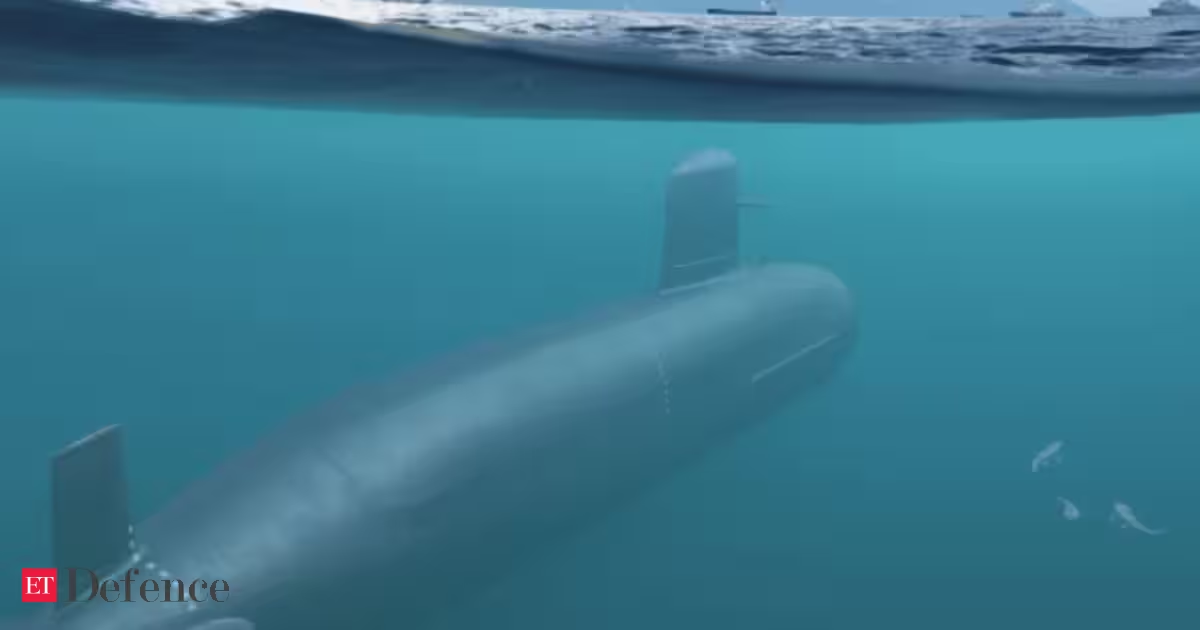
Apollo Micro Systems Limited on Wednesday said it has been shortlisted and awarded a Make-II Prototype Sanction Order (PSO) by the Indian Navy for the design, development and prototype demonstration of an autonomous semi-submersible maritime platform for intelligence, operations and reconnaissance.The project, named Semi-Submersible Autonomous Vessel for Intelligence, Operations and Reconnaissance - Anti-Submarine Warfare (SAVIOR-ASW), marks the company's entry into autonomous maritime and underwater warfare systems, Apollo Micro Systems said in a regulatory filing.Also Read: Paras Defence arm to set up ₹6,200 crore semiconductor packaging facility in Madhya PradeshThe award recognises the company's capabilities in indigenous naval maritime electronic warfare, according to the company.SAVIOR-ASW is an unmanned semi-submersible platform designed for persistent Anti-Submarine Warfare (ASW) surveillance. The system will be capable of autonomous operations for extended durations and will use advanced acoustic sensors, AI/ML-based target classification and encrypted multi-channel communication systems.Also Read: Spain's Submer Group to invest $2 billion in semiconductor industry in Madhya PradeshApollo Micro Systems said the platform represents a step forward in India's indigenous underwater warfare capabilities and aligns with the government's Atmanirbhar Bharat initiative for self-reliance in defence manufacturing.Under the Make-II category, there will be no cost obligation on the government during the prototype development phase. The government will proceed with procurement after successful demonstration of the prototype, the company said.
Apollo Micro Systems gets Indian Navy order for underwater warfare prototype
Apollo Micro Systems has secured a crucial contract with the Indian Navy for a cutting-edge autonomous maritime platform. This unmanned vessel will undertake vital intelligence and reconnaissance missions in support of anti-submarine warfare. The SAVIOR-ASW initiative underscores Indias advancing underwater defense capabilities, with prototype development occurring free of any governmental financial obligations in this initial phase. If successful, it could pave the way for future procurement and operational deployment.
215 words~1 min read