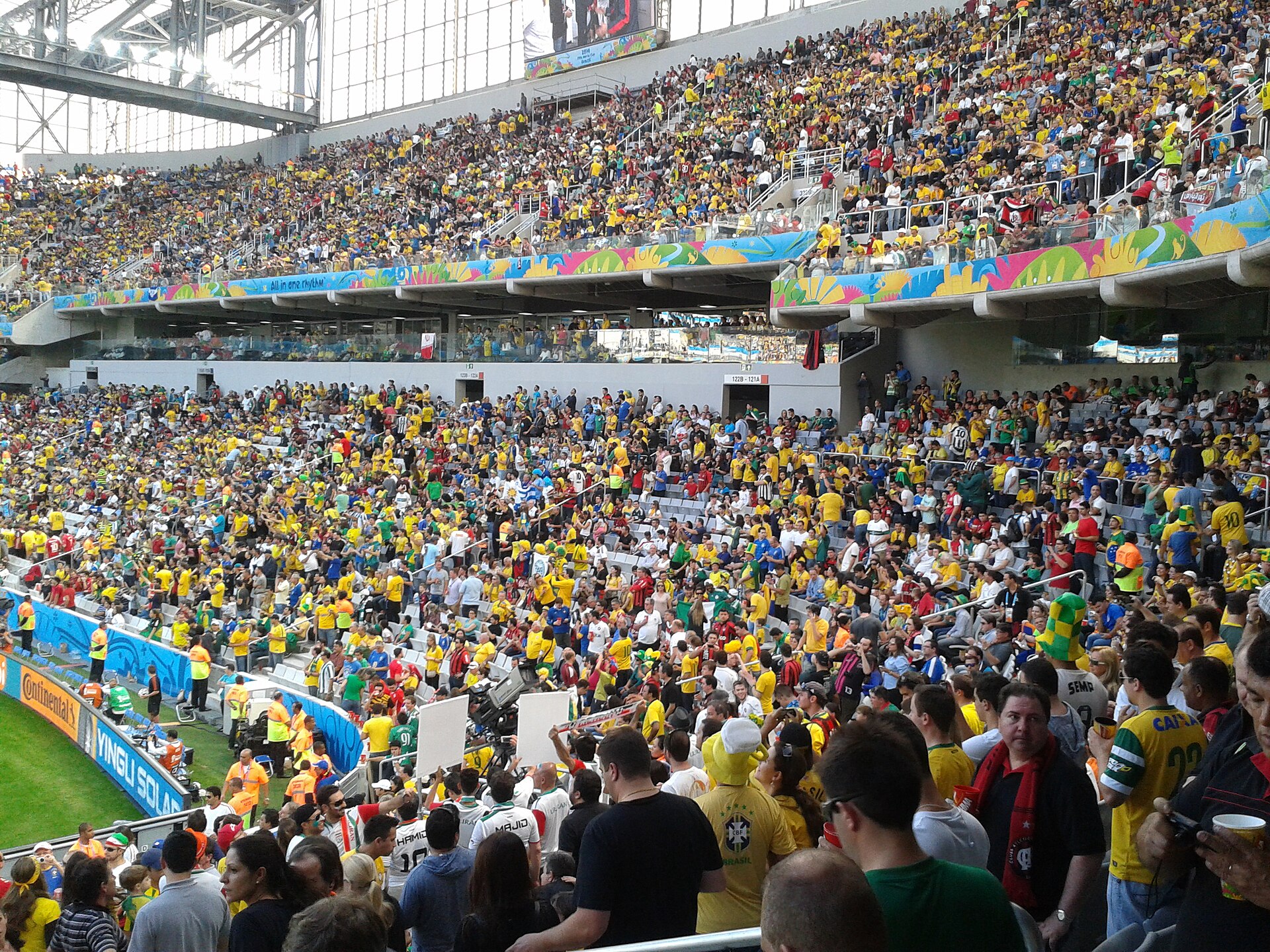
Brazil’s power system handled record World Cup demand swings without supply disruptions, with renewable energy sources providing 86% of electricity generation during the tournament. Advance planning and enhanced grid monitoring enabled the operator to manage rapid load increases of up to 12.8 GW following matches.
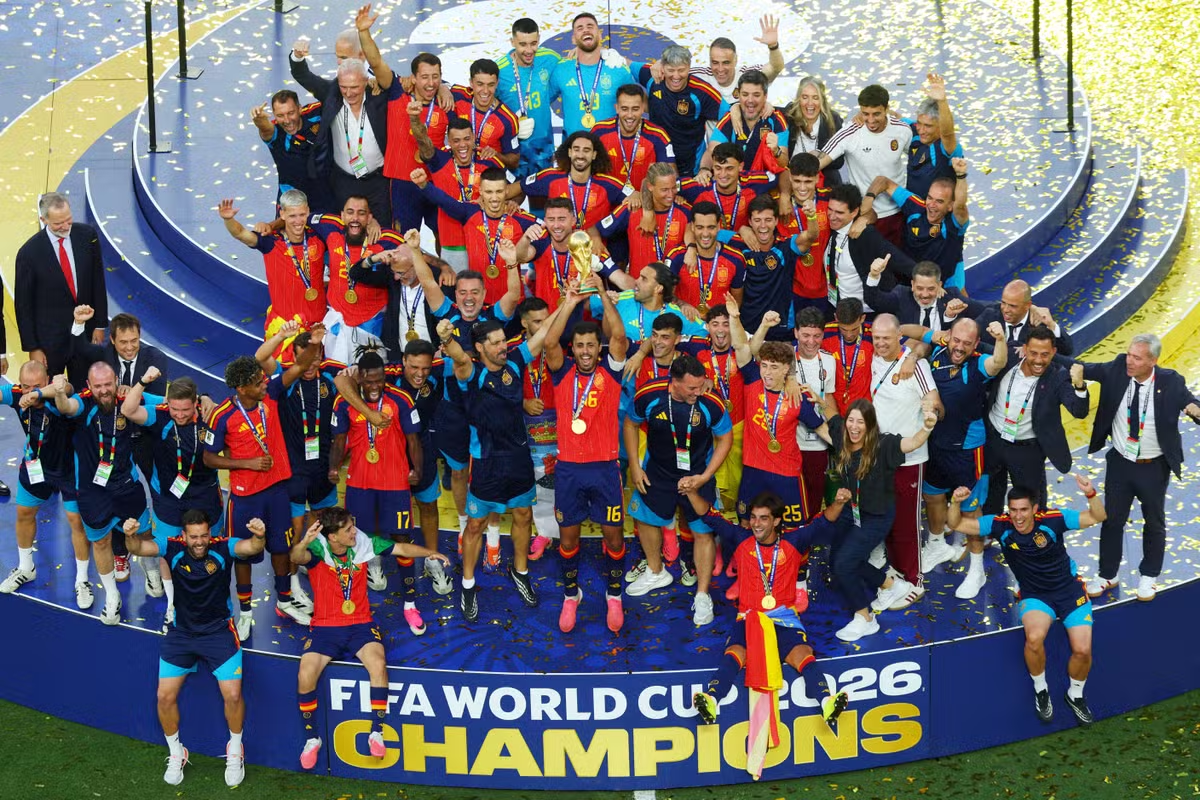
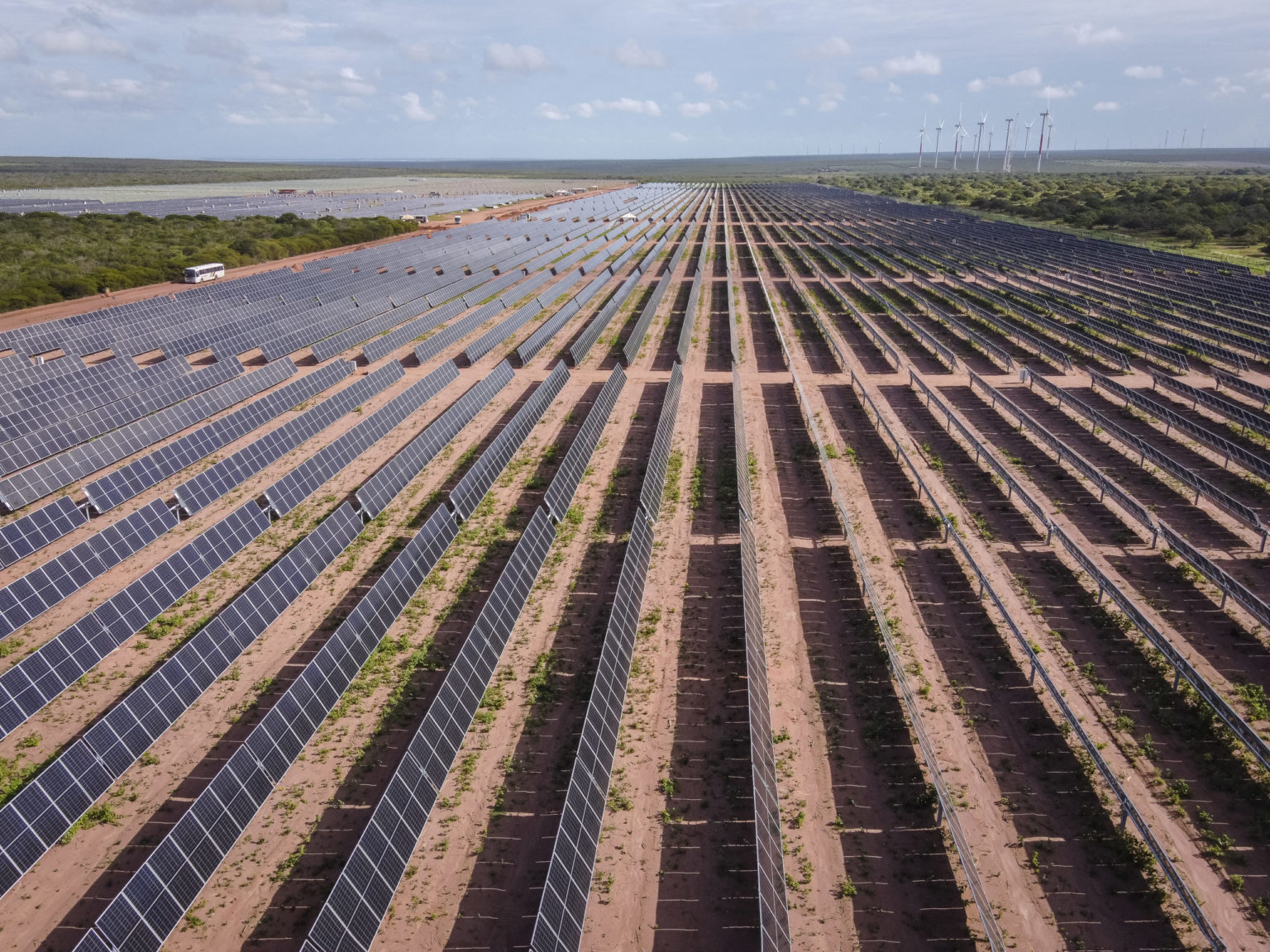
The 2026 FIFA World Cup was held without any electricity supply disruptions in Brazil. During the tournament, renewable energy sources accounted for 86% of electricity generation in Brazil’s National Interconnected System (SIN), according to a report from the National Electric System Operator (ONS).
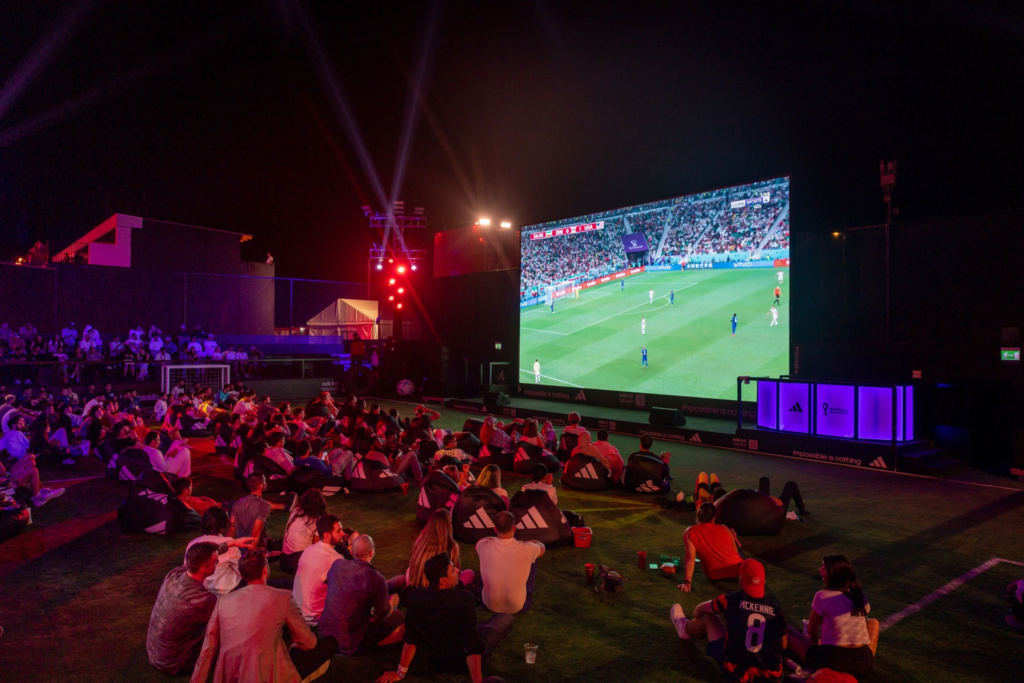
The ONS said advance planning for the tournament enabled the grid to safely manage rapid fluctuations in electricity demand associated with match schedules, particularly at halftime and the final whistle, when millions of consumers simultaneously resumed using household appliances and other electrical equipment.
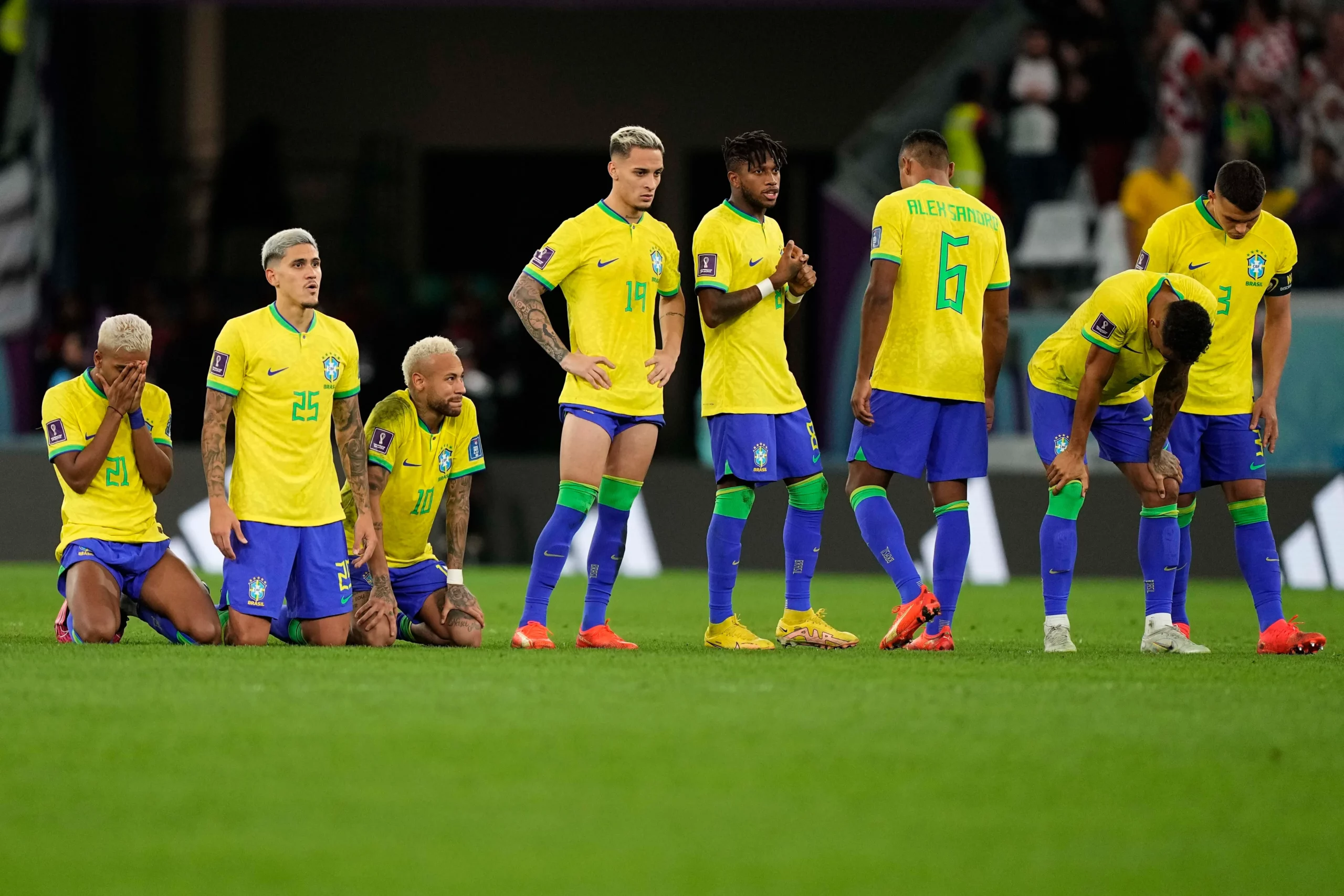
The largest increase in demand occurred during the Brazil-Japan match, when load rose by 12,783 MW, equivalent to the combined average electricity consumption of the states of Paraná and Minas Gerais. The ONS described it as the steepest load ramp recorded during the tournament.