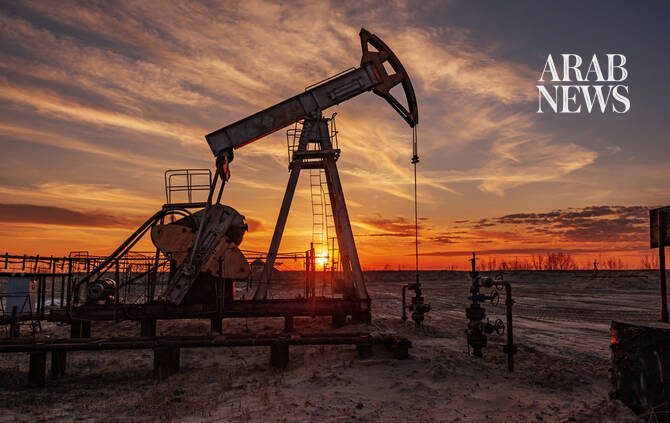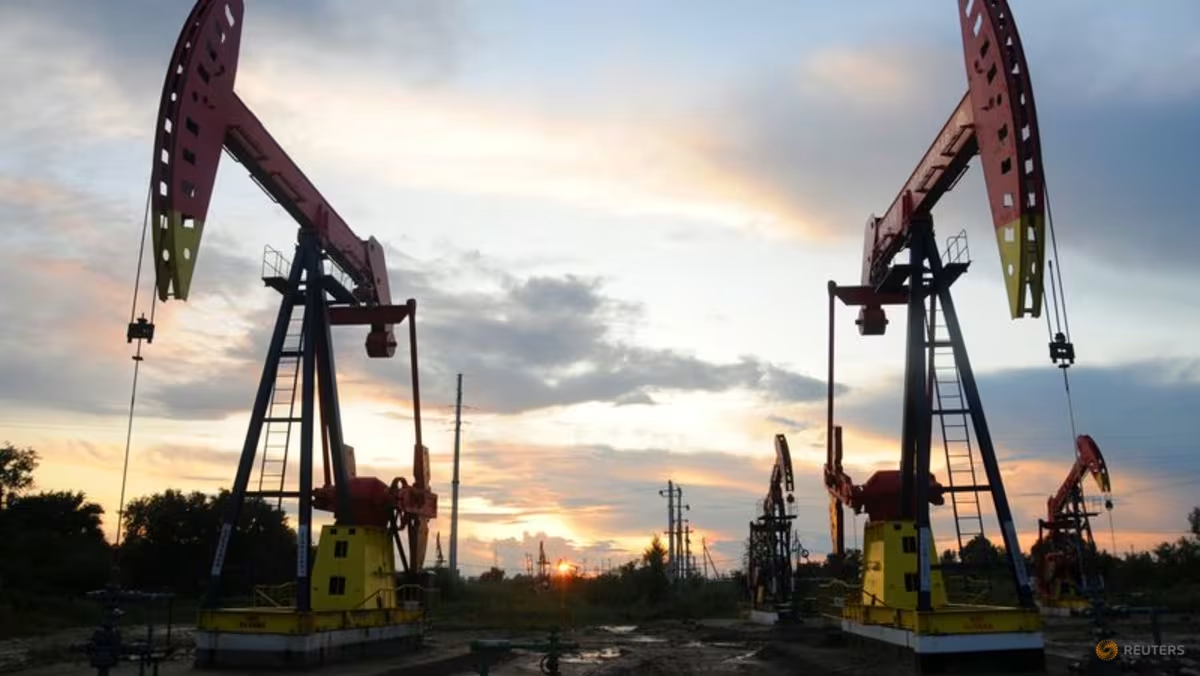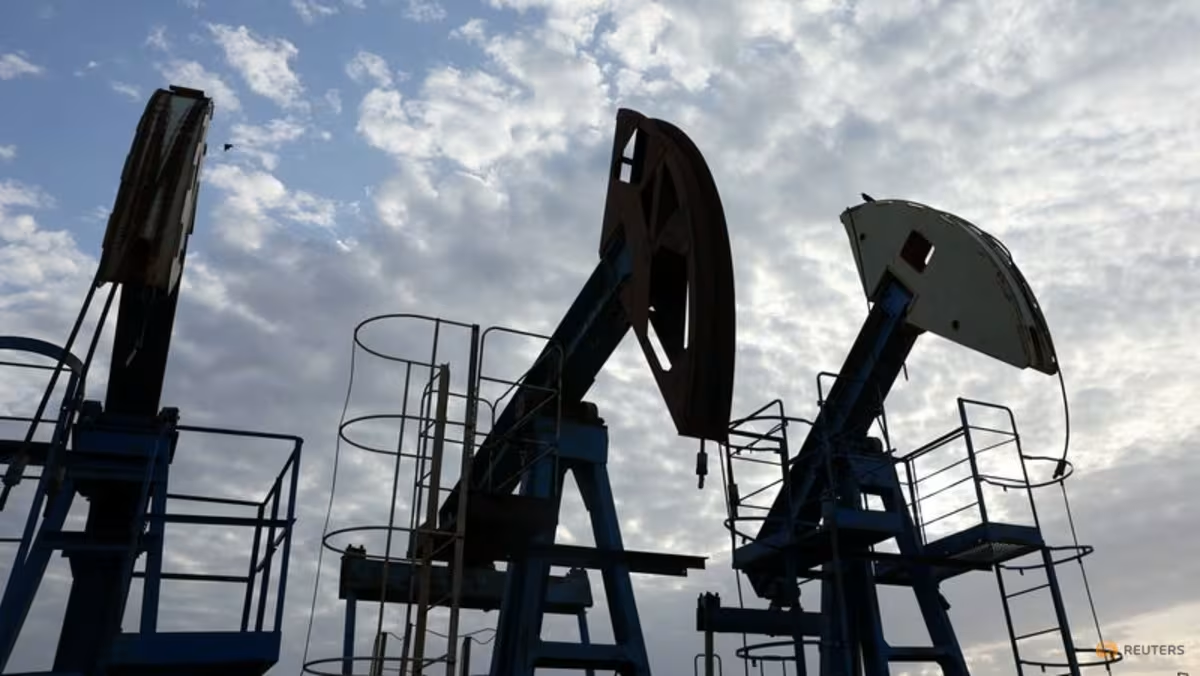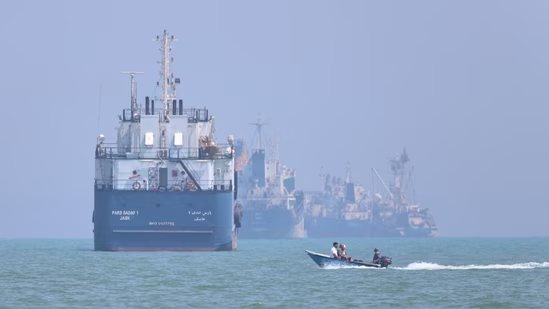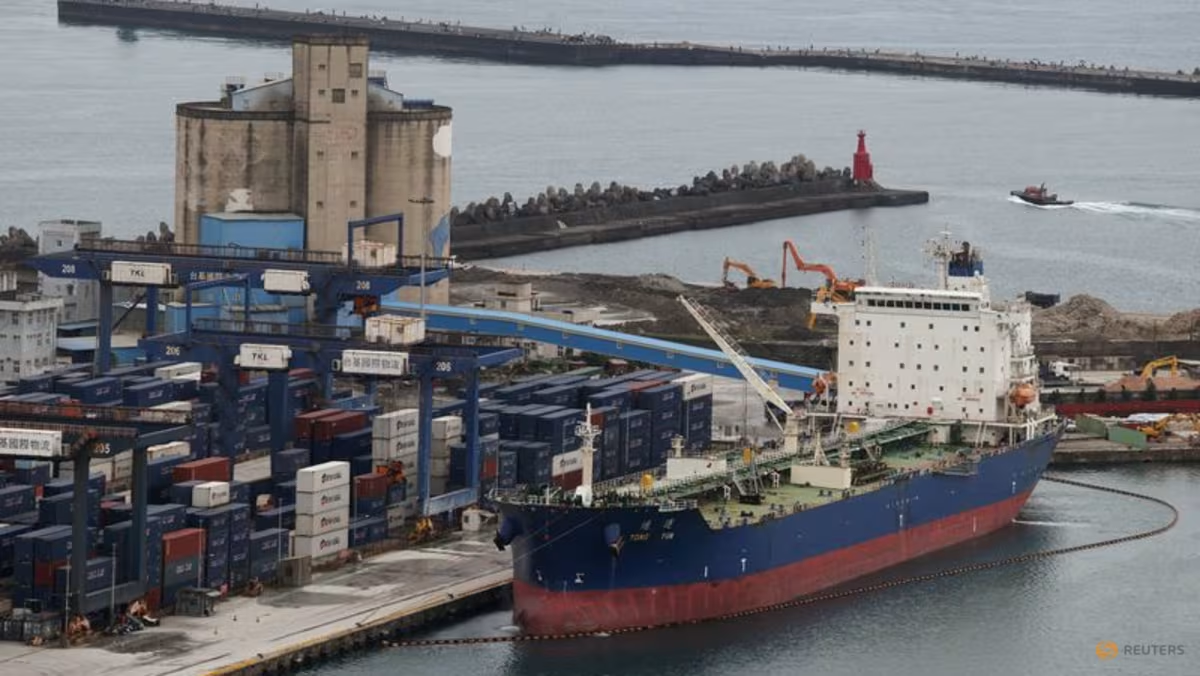
NEW YORK – Oil prices extended gains on July 22 as fears of further supply disruptions intensified after US forces said it began striking Iranian military targets for the 11th straight night, while oil tankers made U-turns in the Red Sea after warnings by Iran-backed Houthi militia.Brent crude futures rose US$1, or 1.1 per cent, to US$92.01 a barrel at 0330 GMT (11.30am Singapore time).US West Texas Intermediate crude climbed 82 cents, or 1.0 per cent, to US$85.16.The gains came after oil settled at a five-week high on July 21 in the wake of US forces striking targets in southern and western Iran, while Iran attacked US facilities in Bahrain, Kuwait and Jordan.The US military said it began its latest strikes on Iran late on July 21 in the US, or early on July 22 in Iran.The US attacks came a short while after the Kuwaiti army said its air defences were intercepting Iranian drones on July 22.The constant trading of strikes have raised fears of further disruptions to global energy supplies after Yemen’s Iran-aligned Houthis opened a new front in the Iran war by threatening to target vessels carrying Saudi oil in the Bab el-Mandeb Strait and announcing a naval blockade of Saudi Arabia.The Bab el-Mandeb waterway at the southern entrance to the Red Sea has become an increasingly important route for Saudi crude exports as traffic through the Strait of Hormuz has fallen sharply since a ceasefire between the US and Iran collapsed earlier in July.Three oil tankers loaded with Saudi crude for China and India made U-turns in the Red Sea on July 21, heading towards the Suez Canal rather than braving the Yemeni coast following a warning from Yemen’s Iran-aligned Houthi militia.“This would force tankers to enter and exit the Red Sea via the Suez Canal, adding significant time and expense to voyages to Asia,” said ING commodity strategists on July 22, adding that tensions in the Black Sea also added to supply uncertainty.The Caspian Pipeline Consortium has stopped receiving oil from Kazakhstan after suspending loadings on July 20 due to attacks on oil tankers at its Black Sea terminal blamed on Ukrainian drones. Ukraine has not commented on the attacks.“The longer the suspension drags on, the greater the likelihood that Kazakhstan will be forced to curb upstream production,” said ING.Separately, US Defence Secretary Pete Hegseth said the country’s war in Iran has cost it US$37.5 billion (S$48.5 billion) so far, an increase of nearly US$8 billion since the last public estimate.Meanwhile, data from the American Petroleum Institute showed that US crude and distillate inventories rose last week, while petrol stockpiles fell, market sources said.The inventory data comes ahead of official figures from the US Energy Information Administration on July 22. REUTERS
Oil extends gains on fresh Middle East supply risks
Brent crude futures rose 0.55 per cent, or 50 US cents, to US$91.51. Read more at straitstimes.com. Read more at straitstimes.com.
456 words~2 min read