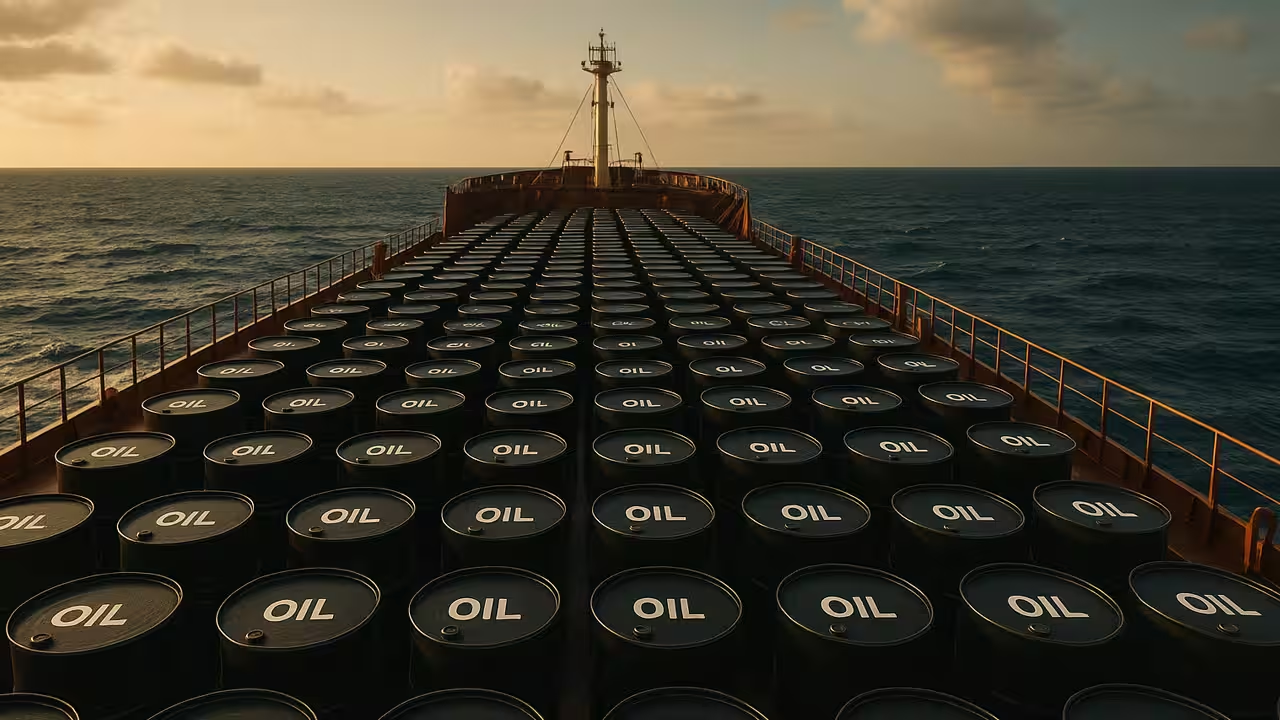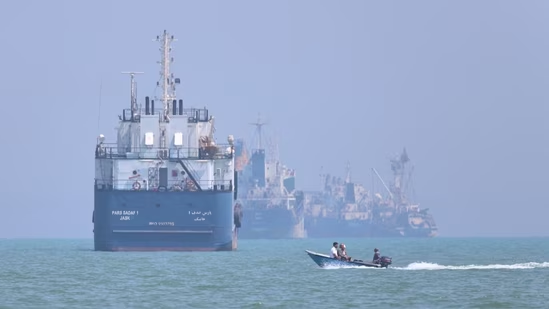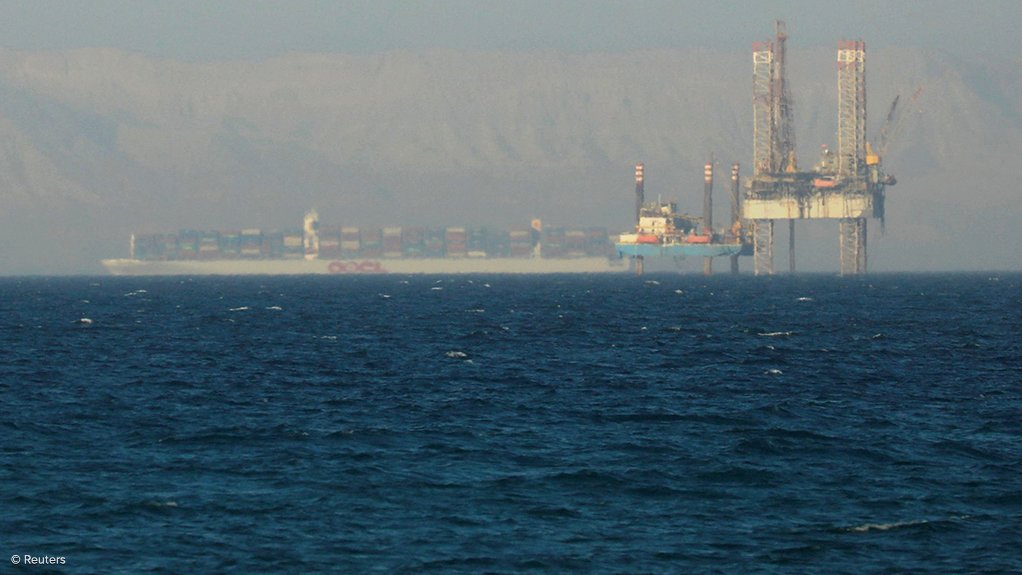
Global oil prices climbed further in early Asian trading Wednesday (July 22), with Brent crude holding above $91 a barrel and Murban crude posting the day's strongest gains, as investors weighed escalating military tensions in the Middle East and renewed threats to energy shipping routes.As of 7:26 am in Tokyo, market data showed:Brent crude: $91.01 per barrel, up $1.79 (+2.01%)WTI crude: $84.63 per barrel, up 29 cents (+0.34%)Murban crude: $85.77 per barrel, up $4.01 (+4.90%)Natural gas: $2.881, up 0.56%The latest rally follows a sharp escalation in the US-Iran conflict, which has intensified concerns over disruptions to crude shipments through the Strait of Hormuz, one of the world's most important energy chokepoints. About one-fifth of globally traded oil normally passes through the narrow waterway.Brent settled Tuesday at its highest level in roughly five weeks after US strikes on Iranian targets and Iranian retaliatory attacks increased fears of supply disruptions. Pressure from HouthisAdditional pressure came after Yemen's Iran-aligned Houthi movement threatened a naval blockade against Saudi shipping, prompting some tankers to alter their routes.Murban crude, the benchmark for much of Asia's Middle East oil imports and produced in Abu Dhabi, outperformed both Brent and WTI in early trading, reflecting heightened concerns over Gulf supply risks.The market is also watching US crude inventory data later Wednesday. Analysts expect another weekly decline in stockpiles, a development that could provide further support for prices if confirmed.Despite the recent gains, oil remains well below the peaks reached earlier this year during the height of the Iran war, when Brent briefly traded above $120 a barrel before retreating as ceasefire efforts and strategic petroleum reserve releases eased immediate supply fears.Analysts say geopolitical risk premiums are once again returning to the market as traders assess whether the latest military exchanges could threaten commercial shipping in both the Strait of Hormuz and the Red Sea, potentially tightening global crude supplies during the peak Northern Hemisphere summer demand season.
Oil tops $91 again: Brent hits five-week high as US-Iran conflict, Houthi threats jolt global markets
Investors eye US stockpile data for fresh clues on durability of oil’s rally
319 words~1 min read