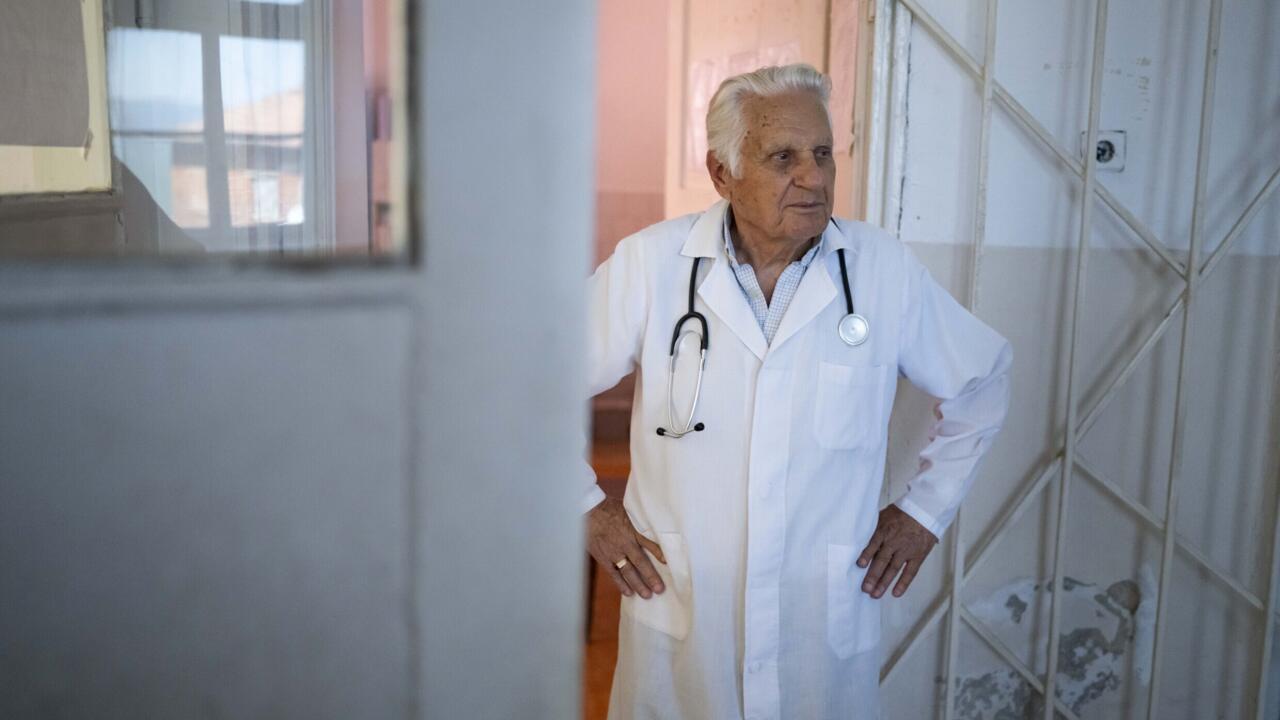
Apostolov turned 90 in May but still scales the same hill almost every day to visit his patients at the foot of the Belasitsa mountain range, near the border with Greece and North Macedonia.And his case is far from unusual in Bulgaria, where many general practitioners continue to work well past retirement age because there is no one to replace them, especially in rural areas.In 2023, 54.5 percent of doctors in the EU's poorest country were 55 or older -- the highest proportion of any country in the bloc, according to Eurostat. For general practitioners like Apostolove, the average age is currently over 61.Bulgaria also has the lowest life expectancy in the EU -- 75.8 years in 2024, compared with a bloc-wide average of 81.5 years -- and one of the highest rates of preventable mortality, according to the Organisation for Economic Cooperation and Development (OECD).This is partly down to the shortage of doctors, leading to later diagnoses and poorer management of chronic illnesses.Apostolov alone has more than 1,500 patients on his books, spread across several villages.'I'll keep going'"How are you today?" he calls across a fence to two elderly women chatting in the garden of a house."He's even older than me, but he doesn't use a walking stick. I have two," said Milka Oumlenova, 88, after a brief consultation. "May he live a long life and keep helping us."Doctor Apostolov's day starts around 7:00 am, when he gets into his rusty 20-year-old Peugeot to drive the roughly 16 kilometres from his home in Petrich to his office in Skrat.Often patients are already waiting for him, seeking help with a range of issues including high blood pressure and diabetes.
In Bulgarian mountains, local doctor still on call at 90
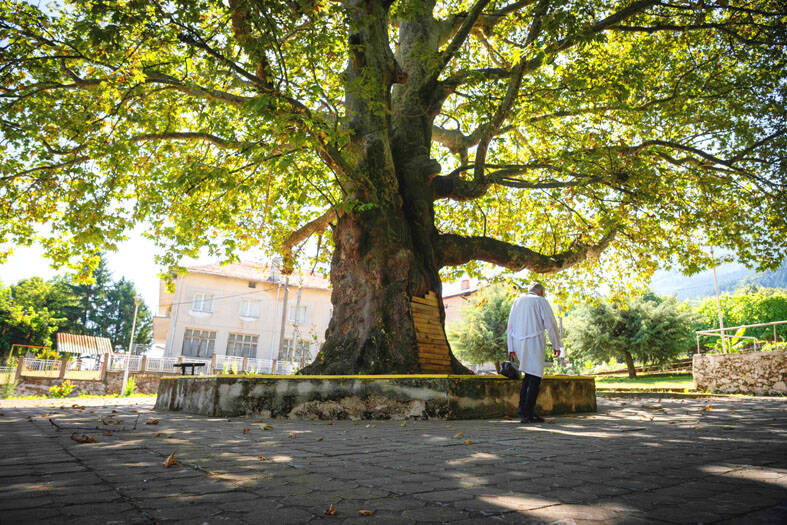
Doctor Kiril Apostolov shows no sign of being short of breath as he climbs a steep street in the mountain village of Skrat in southwestern Bulgaria, medical briefcase in hand, despite his advanced age.
628 words~3 min read