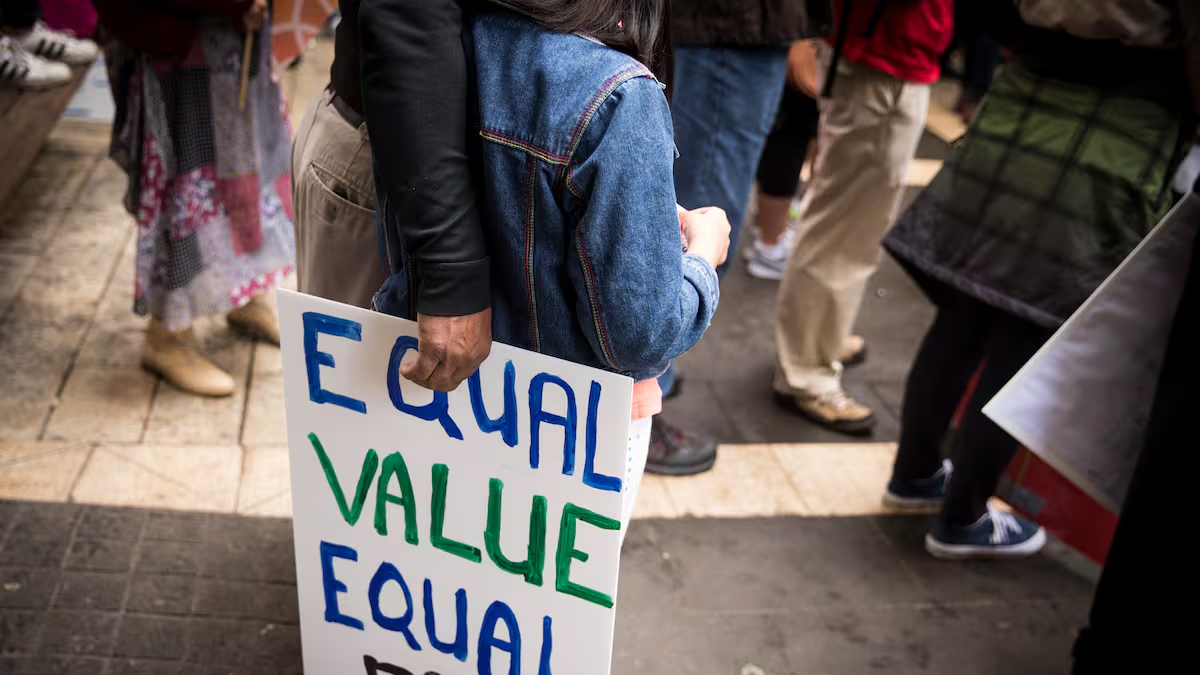
A group of high profile pay equity campaigners are calling for politicians to do more to close the pay equity gap.Global Women is calling for cross party support to make it mandatory for businesses of a certain size to report their gender pay gap.At the moment it is voluntary for businesses to report their pay gaps.But Global Women said full disclosure will support greater transparency, fairer workplaces and a more productive economy, and on Wednesday they published an open letter making their case.According to the Ministry for Women, the pay gap for New Zealand women across the board is 5.2 percent.STILLMindingTheGap.nz has also been campaigning for urgent action to reduce New Zealand's gender and ethnic pay gaps.Campaign manager Jo Cribb told Checkpoint the gender pay gap had a massive impact on a women's earnings over her career."It's costing a woman who sort of earns the median wage over her career about $250,000."She said it was government's inaction that was contributing to that cost, by not putting mandatory reporting in place.If introduced, she said a mandatory reporting system would drop the pay gap."If the government introduced compulsory reporting, it would drop New Zealand's pay gaps by about 20 to 40 percent."If you think about that over a week, a woman earning the median wage would earn about $33.76 more."Cribb said if businesses could not justify a reason for a pay gap within their company, then that money was owed."It's illegal, but surely they'd want to fix that, and we know that many, many businesses do."She said research by Berl, commissioned by STILLMindingTheGap.nz had found that around 50 percent of organisations which looked at their pay gaps did increase the wages of women because they found they could not justify the gaps.The gender pay gap was 5.2 percent in 2025 but was much worse for some ethnic groups - 12 percent for wāhine Māori, almost 16 percent for Pacific women and about 10 percent for Asian women.Cribb said further research had also found that if factors like a woman's education level, work experience, the industry she worked in or how many hours she worked were accounted for, than 80 percent of gender pay gaps could not be explained."It's got nothing to do with individuals, we can attribute that, then the gender pay gap in New Zealand is directly related to the decisions that managers make in organisations about how much people are paid."So this is actually all about what happens within businesses."Prime Minister Christopher Luxon recently said he believed publicly reporting pay gap data was the right thing to do, and that making it compulsory for businesses was worth a conversation.The National leader has not committed to a campaign policy on the matter, but said other policies indicated the party's direction on pay parity.The coalition government halted all pay equity claims last year and made it harder to lodge new ones, a move that was heavily criticised by advocates.Cribb said the government should not be worrying about the compliance cost associated with pay gap reporting."The large piece of research that we did showed that it costs most businesses less than 10 hours of staff time a year... so there's very little compliance cost."She said the benefits to the economy could be up to $18 billion."If we have the workforce working more efficiently if we've got the talent being promoted. We also find the business benefits are around people are more productive, they're more engaged, they come to work happier because they're being treated fairly."If women are paid more, they pay more tax and they also, their families take less working for families and other benefits."STILLMindingTheGap.nz is currently collecting support for the Labour Party's Pay Transparency Bill, which it plans to present to Parliament next week.
Call to make it mandatory for some businesses to report their gender pay gap
A group of high profile pay equity campaigners are calling for politicians to do more to close the pay equity gap.
623 words~3 min read