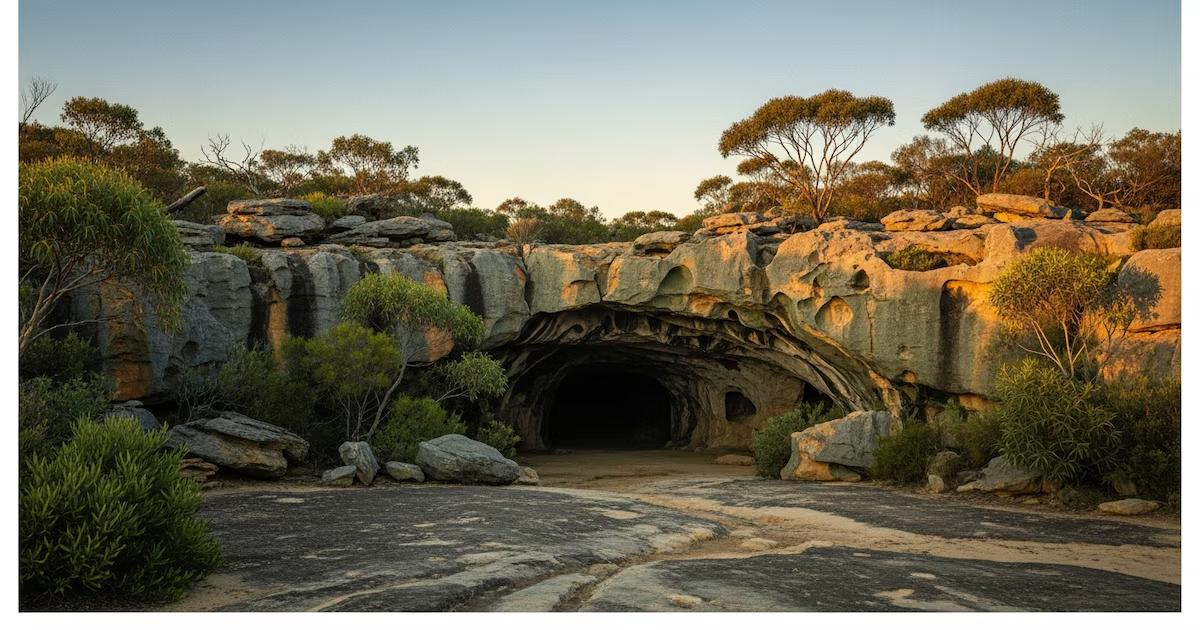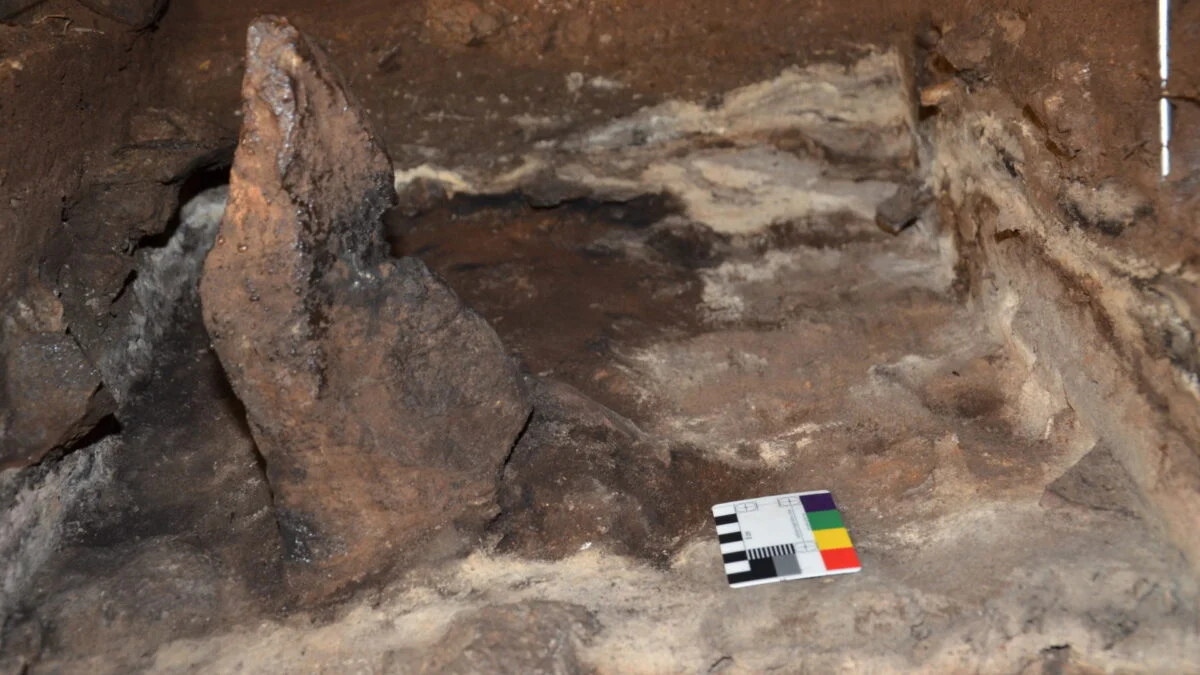
According to historical reports, the GunaiKurnai, an Australian Aboriginal nation, used caves as the stage for magic, healing, and cursing rituals. Over roughly 25,000 years, these rituals left behind a curious souvenir—ancient layers of plant crystals, according to a new study. In a Frontiers in Environmental Archaeology paper published today, researchers found rare organic remains from ceremonial rituals in Cloggs Cave, GunaiKurnai Country. Investigations into old pits in the cave presented strong evidence that people, likely the GunaiKurnai, intentionally selected and brought grass into the cave for ceremonial use. The GunaiKurnai are known to have engaged in these traditions for thousands of years, but this physical evidence offers a unique look at how ancient societies used plants in their daily lives. To reach this conclusion, the team analyzed phytoliths, pollen, and geological deposits from the cave. Burnt phytoliths pointed to repeated human activity and offered rare insights into how early humans used plants.
“This is a really great study, weaving careful scientific analysis of phytoliths with GunaiKurnai cultural knowledge to show that grasses were especially collected and burnt at Clogg’s Cave to support ritual practices over many millennia,” Anna Florin, an archaeologist at Australian National University who wasn’t involved in the new work, told Gizmodo.