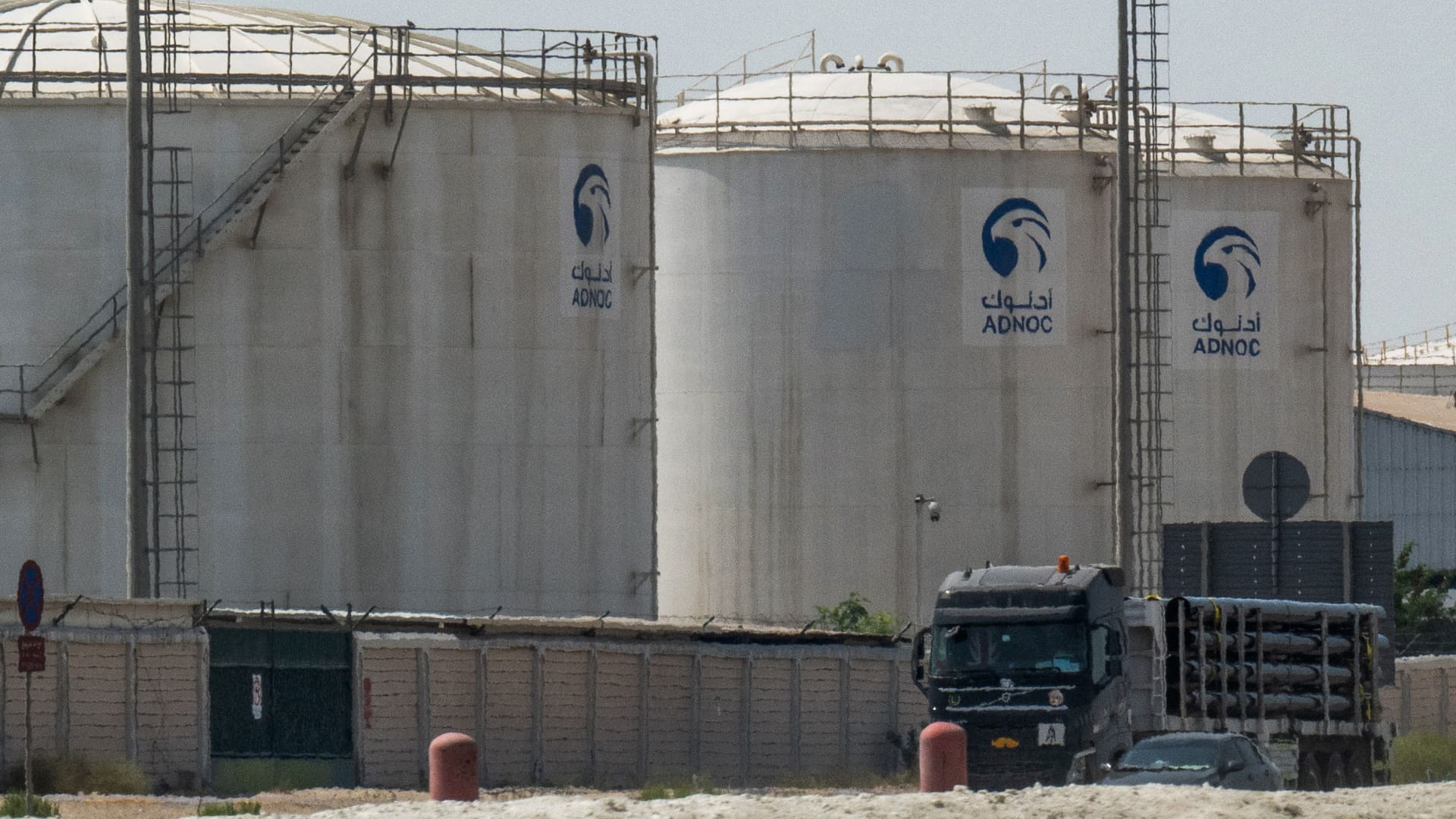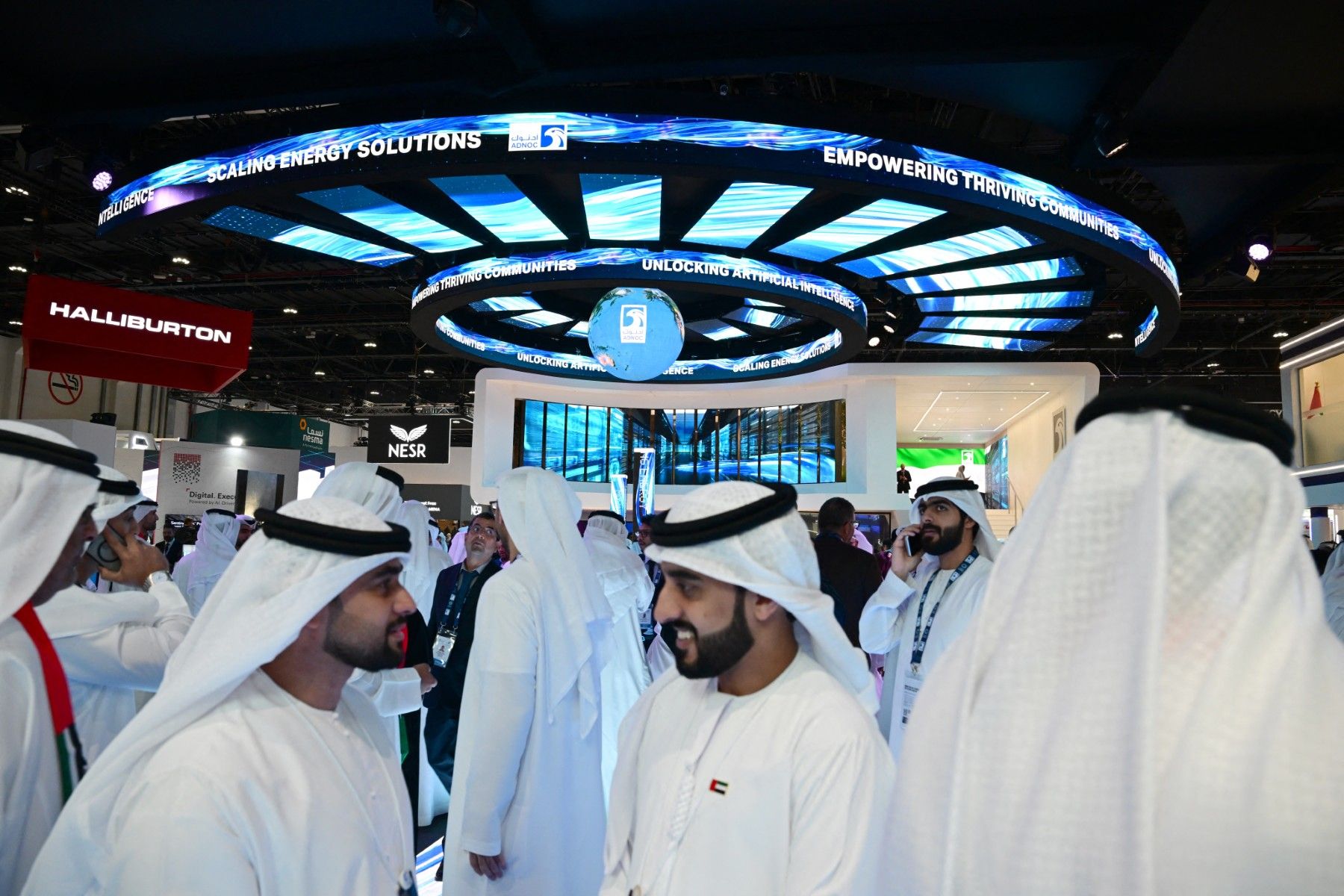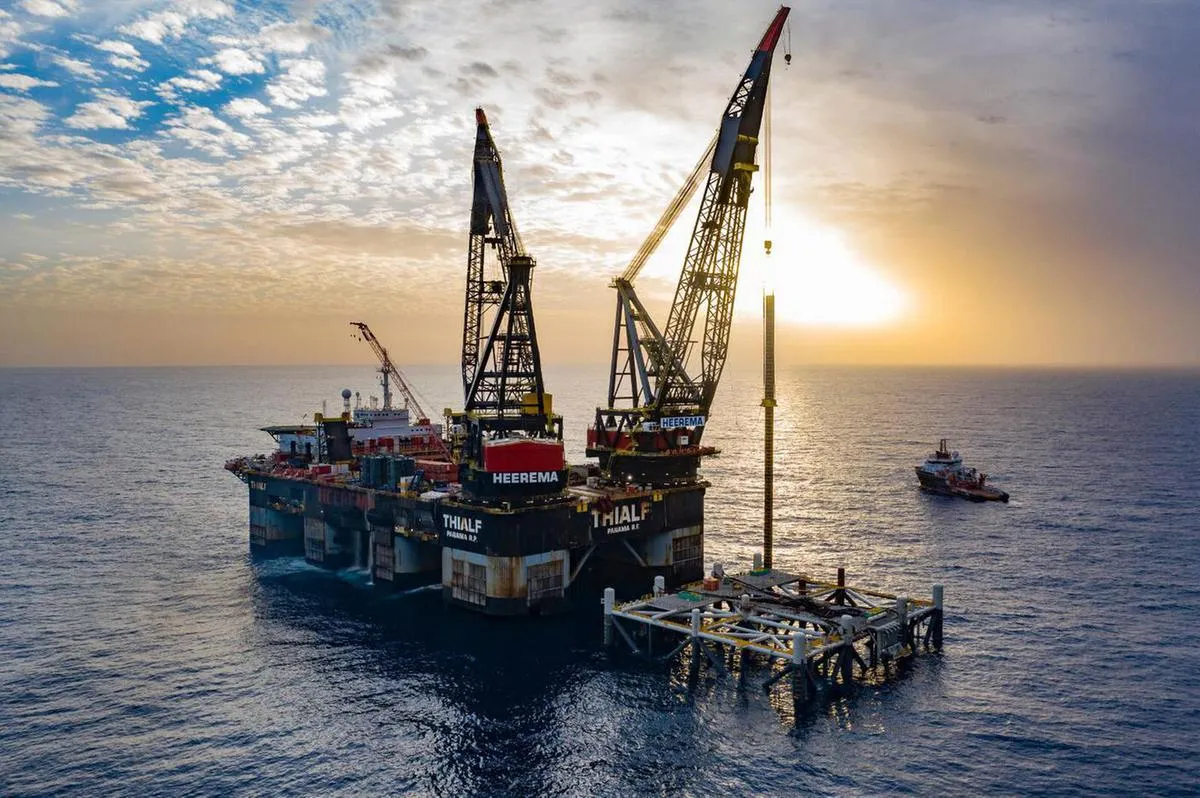
Adnoc's Umm Shaif gas cap project is expected to unlock more than 600 million standard cubic feet per day of natural gas and associated liquids by 2030. Photo: Adnoc GroupInfoInsight and opinion from The National’s editorial leadershipJuly 22, 2026Umm Shaif may not be a household name to many outside the energy sector, but this oil field about 150 kilometres north-west of Abu Dhabi city has been influencing lives since 1958. As part of a concession owned and operated by the Abu Dhabi National Oil Company, it has been helping to meet the world’s energy needs for more than six decades.That contribution looks set to intensify with this week’s announcement that Adnoc is to make a $6.2 billion investment in the Umm Shaif gas cap project – this is to harness the natural gas that accumulates in a pocket above a layer of crude oil. This project is expected to unlock more than 600 million standard cubic feet per day of natural gas and associated liquids by 2030, equivalent to almost a tenth of the UAE’s daily gas consumption.Indisputably, this is a major energy investment and is the latest in a string of significant developments over the past 12 months. From November’s decision by Adnoc's board that approved capital investments of Dh551 billion ($150 billion) - of which $20 billion was earmarked for gas alone - to May’s announcement that the company would award Dh200 billion in project contracts over the next three years, such steps reflect the strategic positioning of the UAE. Natural gas has a domestic impact too; according to 2023 figures from the International Energy Agency, it accounts for about 71 per cent of the UAE's electricity – and demand is growing with gas caps like that in Umm Shaif helping power households and industry.Play01:20Adnoc sets up global LNG trading platform to boost gas exportsFor decades, the Gulf’s economic story was largely defined by the extraction and export of crude oil. That model, although successful, has evolved and while oil remains critical, the UAE's competitive advantage is in part due to its ability to integrate different forms of energy and build partnerships.Natural gas in particular has become a vital bridge in this transition. Many countries want to reduce emissions but must balance this requirement with maintaining reliable power supplies. This will push demand for gas and LNG, and with significant projects such as the Umm Shaif development, the UAE is positioning itself as a dependable energy partner that can supply such markets.Indeed, dependability in these fraught times is an essential requirement; possessing natural reserves is only half the story. Energy exporters must also have infrastructure, technology, investment networks, and strong diplomatic and commercial relationships.QuoteDependability in these fraught times is an essential requirement; possessing natural reserves is only half the storyThe recent disruptions to global energy markets stemming from the US-Iran conflict have highlighted the vulnerability of supply chains and transport routes. The UAE’s investments in gas, LNG infrastructure and alternative export channels demonstrate that reliability is a strategic asset.It is not a question of switching from one form of energy to another, and the UAE’s approach has been to build expertise across the entire sector. This is recognition that abandoning hydrocarbons overnight is not the path to a secure future. Instead, initiatives such as the Umm Shaif project reflect how effectively the country uses its existing strengths while preparing for what comes next.Updated: July 22, 2026, 3:00 AM
$6.2bn gas investment reflects the UAE's evolving energy model | The National
Natural gas has become a bridge in the transition to a different strategic position
570 words~3 min read