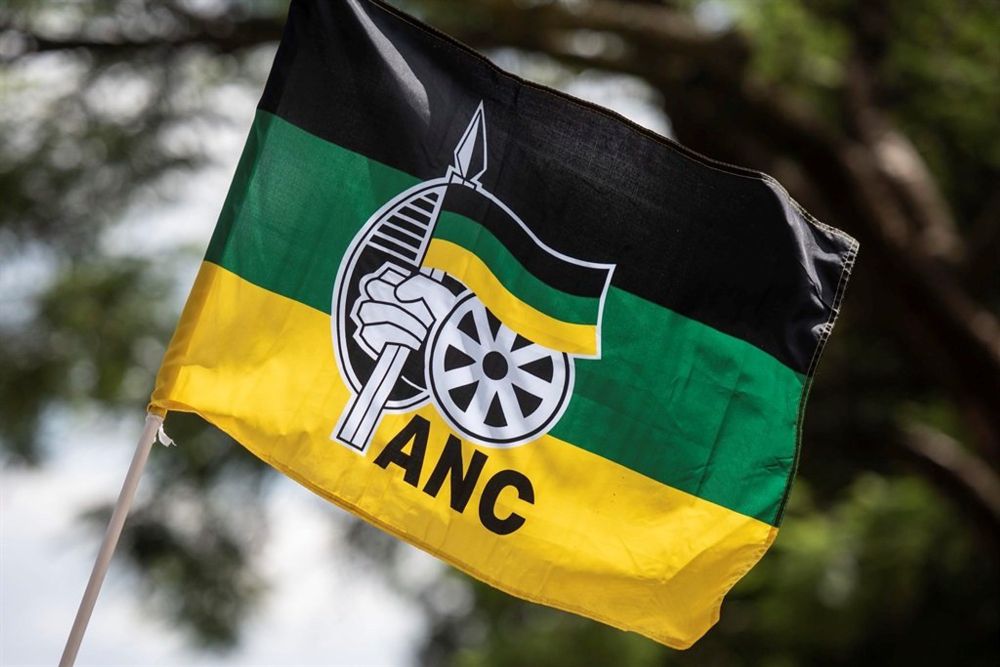
In 1912, a group of black elites founded today’s ANC. Fifty years ago, black business leaders collected and saved small amounts towards the establishment of African Bank. Years earlier, black traders founded the National African Federated Chamber of Commerce (Nafcoc), and 50 years ago, black professionals founded the Black Management Forum (BMF). Another institution, Fort Hare, was founded to become the first that received black students.Today, all these institutions are in turmoil of one kind or another.Fort Hare, an alma mater of many anti-apartheid and anticolonial struggle luminaries, has suspended its vice-chancellor, Sakhela Buhlungu, and pressed disciplinary charges against him in full view of the world.Buhlungu was supposed to have cleaned out sleaze and corruption and restored Fort Hare to its former glory.Leaders of Nafcoc, founded, among others, by the likes of the late Sam Motsuenyane and other stalwarts, are in and out of court, fighting for control of the organisation, especially its resources accumulated over many years of lucrative investments.Two months ago, African Bank, which was emerging from near collapse, sacked Kennedy Bungane, the second CEO who helped breathe new life after its near-death experience. Instead of freeing itself from the Reserve Bank, which helped it stave off death, it is now planning to cut its labour force.The BMF is engaged in a tit-for-tat round of suspensions and counter-suspensions. Its president, Mpho Motsei, was suspended, and in retaliation, he suspended fellow leaders, including MD Monde Ndlovu.Delivering a tribute at the recent funeral of his late sister, businessman Moeletsi Mbeki said that Fezeka Mabona, his sister, was being grilled by black ancestors of the new South Africa. Among others, these ancestors, including the likes of Sol Plaatje, the late founding secretary-general of the ANC, were demanding answers from her about why black South Africans are rejecting the ANC.The ANC, which helped free South Africa from apartheid and colonial oppression, was decisively rejected in the most recent general elections. Its support dropped to 40% in 2024, from above 50%, forcing it into a nebulous coalition government that is failing to end corruption and grow the economy out of the 1% GDP trap. This growth rate, less than the rate at which the population is growing, is inadequate to address unemployment, poverty and inequality or the new underdocumented crisis of hunger facing the country.The Reserve Bank was correct to save African Bank. But its continued stay as a shareholder in a bank it regulates is untenable. With the commercial banks and the other shareholders, the central bank should press the bank’s board for a credible plan of how it plans to stand on its own with other independent shareholders such as the troubled Public Investment Corporation (beyond its constituent funds).Cutting jobs is a blunt tool that will not achieve sustainability.This iconic institution shouldn’t be allowed to disappear or be gobbled up by others. It has a special place in the history of this country.A few years ago, the bank’s exit was mooted, but there was insufficient appetite for an initial public offering. This remains but an impossible dream in the 1% growth economy.Still, this shouldn’t mark the end of the road. But the bank cannot survive only on sentiment. It needs a much more serious proposition than that.Cash-flushed foreign players such as investors from the UAE should be considered for a noncontrolling stake. In the past year alone, they have pumped in billions in buying local assets.A partnership with the PIC, relieving the bank of its lion’s share, would revive the IPO option. This writer has previously argued that instead of housing the Transformation Fund in the undercapitalised National Empowerment Fund, Parks Tau, trade, industry & competition minister, should rather have partnered to build this capability within African Bank.The bank should make itself attractive to the black segment of the market. Humiliating and replacing Buhlungu is not what Fort Hare needs to be a durable institution. Costly litigation, as is happening with Nafcoc and most likely to happen with BMF, are short-term solutions.Black people need a serious, honest conversation among themselves. Among others, they need to answer the question: why do they find it hard to work with one another or to prefer each other?Beyond cobbling together consortiums to buy minority stakes in businesses started by others, why are transactions among themselves so few? What has gone wrong with their institutions?Crucially, beyond the short-term questions, what, if any, institution(s) provide safe space for black people to have long-term strategic reflection for them?• Dludlu is a former Sowetan editor.Business Day
JOHN DLUDLU | Black institutions need renewal, not chronic internal battles
Infighting and weak governance risk undermining pillars of South Africa's black progress
747 words~3 min read