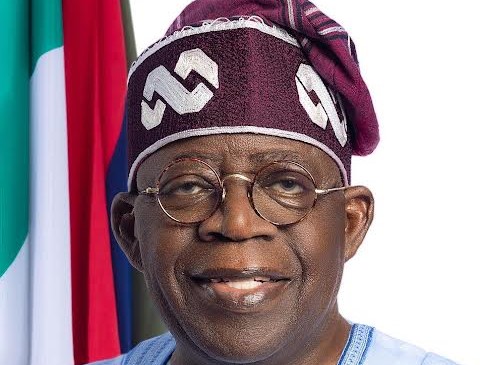
James Emejo posits that with the launch of a $3.05 billion World Bank assisted package of programmes focused on poverty reduction and human capital development, the federal government prioritising is strategic investments in people, not just policy reforms, a development that will determine whether its economic agenda ultimately succeeds
For the Tinubu administration, stabilising Nigeria’s economy was only the first phase of a much broader agenda. Tough fiscal and monetary reforms may have helped restore investor confidence, strengthen external reserves and gradually ease inflationary pressures, but government officials acknowledge that the reforms can only be judged successful when they improve the welfare of ordinary Nigerians.
That reality explains the significance of the federal government’s unveiling of a $3.05 billion package of World Bank-supported programmes aimed at tackling poverty, strengthening human capital and expanding economic opportunities across the country, which the president launched recently.
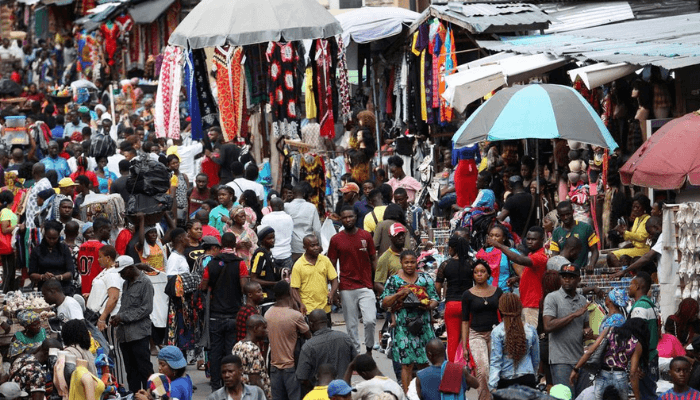
More than another development intervention, the package reflects government’s attempt to connect macroeconomic reforms with tangible improvements in household welfare—ensuring that the gains of economic restructuring extend beyond impressive statistics to communities, farmers, schools, health centres and vulnerable populations.