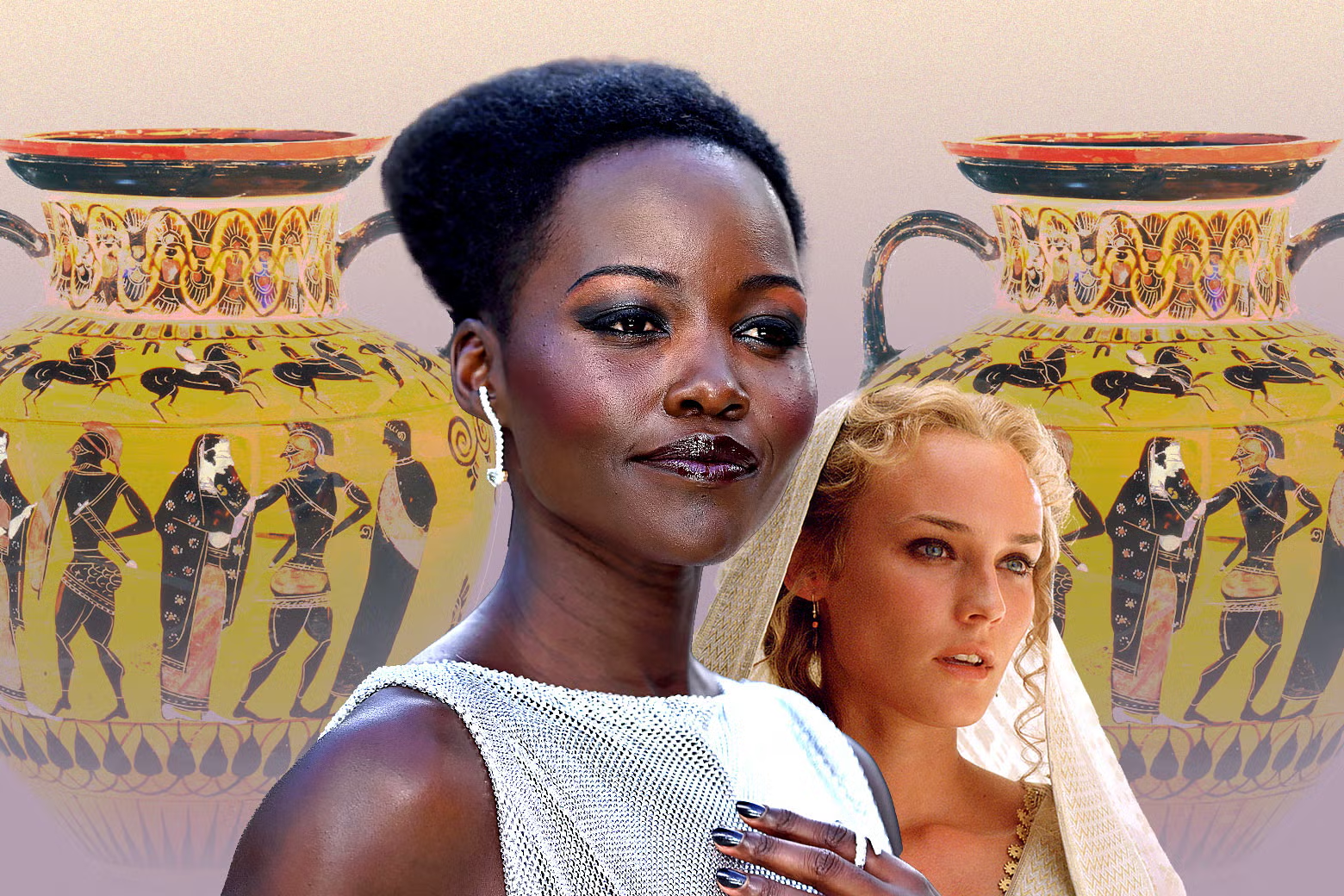
Here's how Homer describes Helen of Troy in "The Odyssey" – and the key reason why Christopher Nolan's casting of Lupita Nyong'o is so brilliant.Show Caption
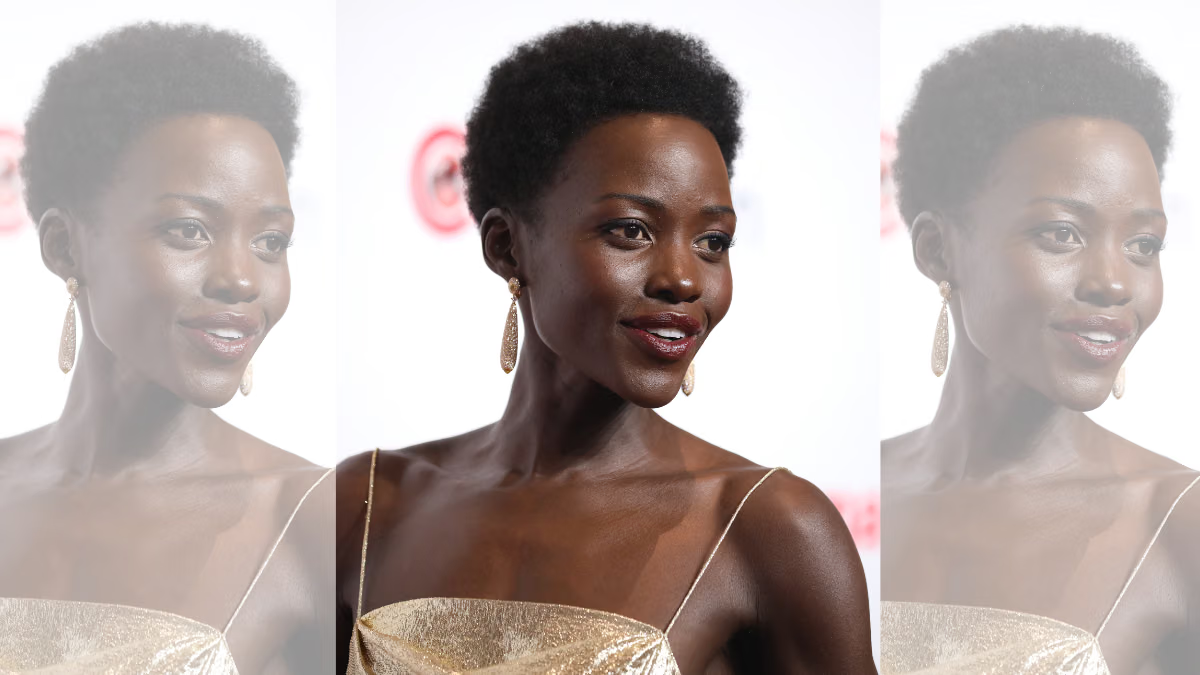
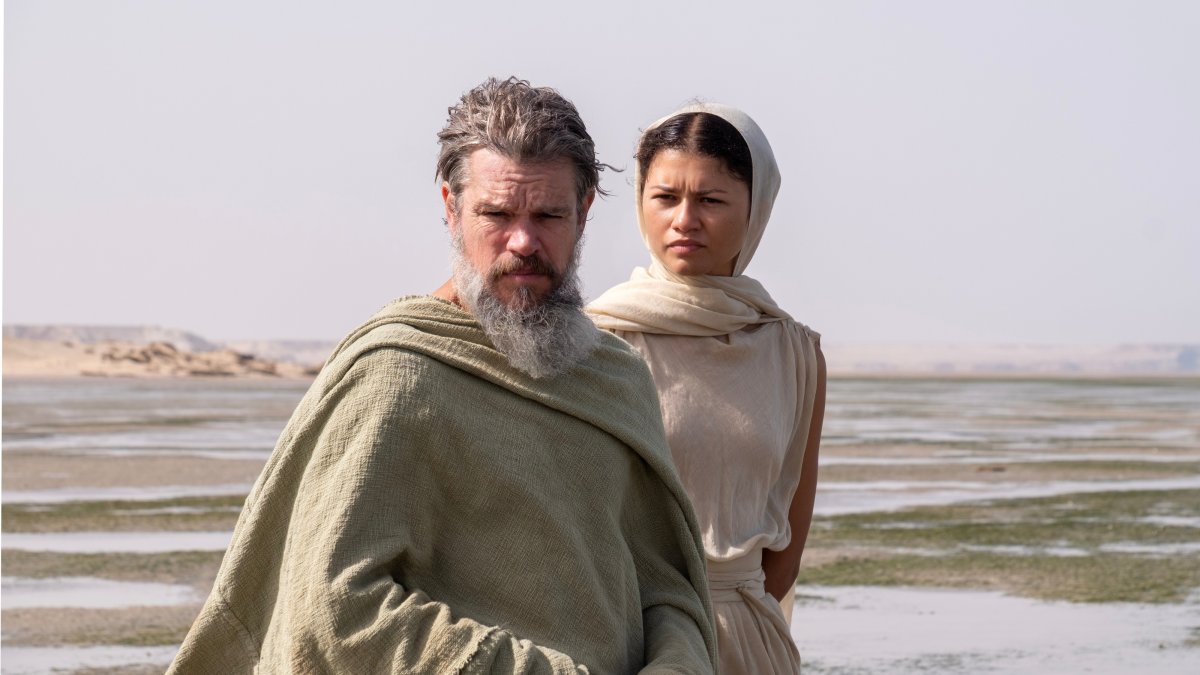
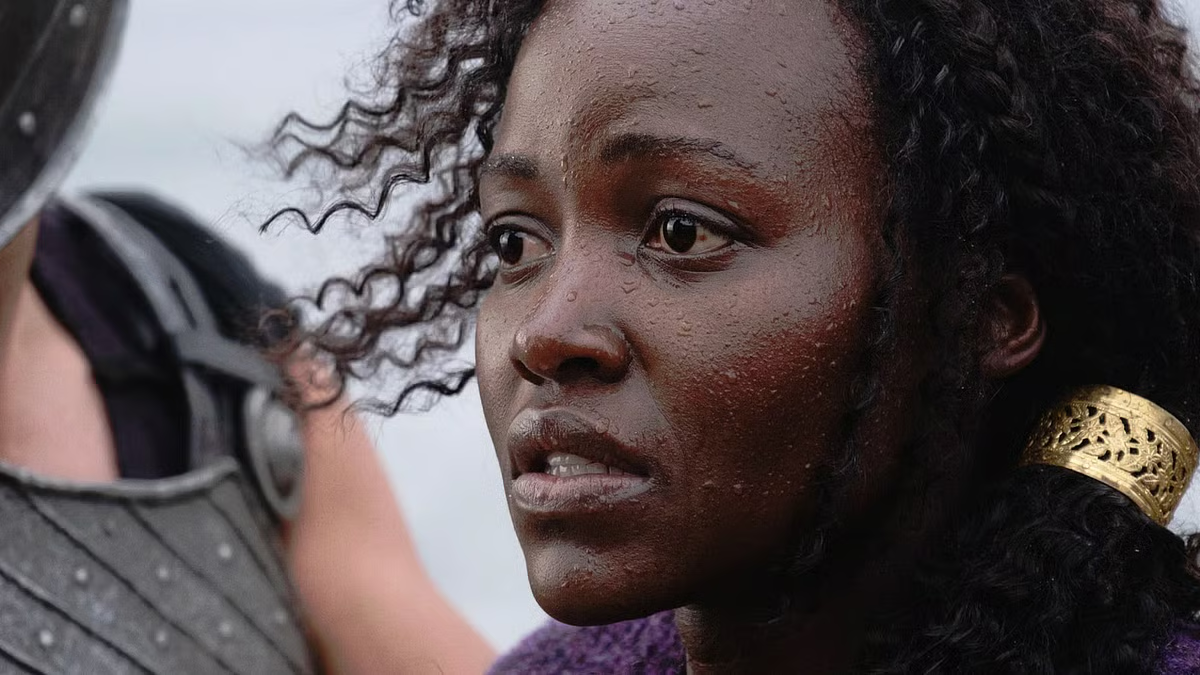
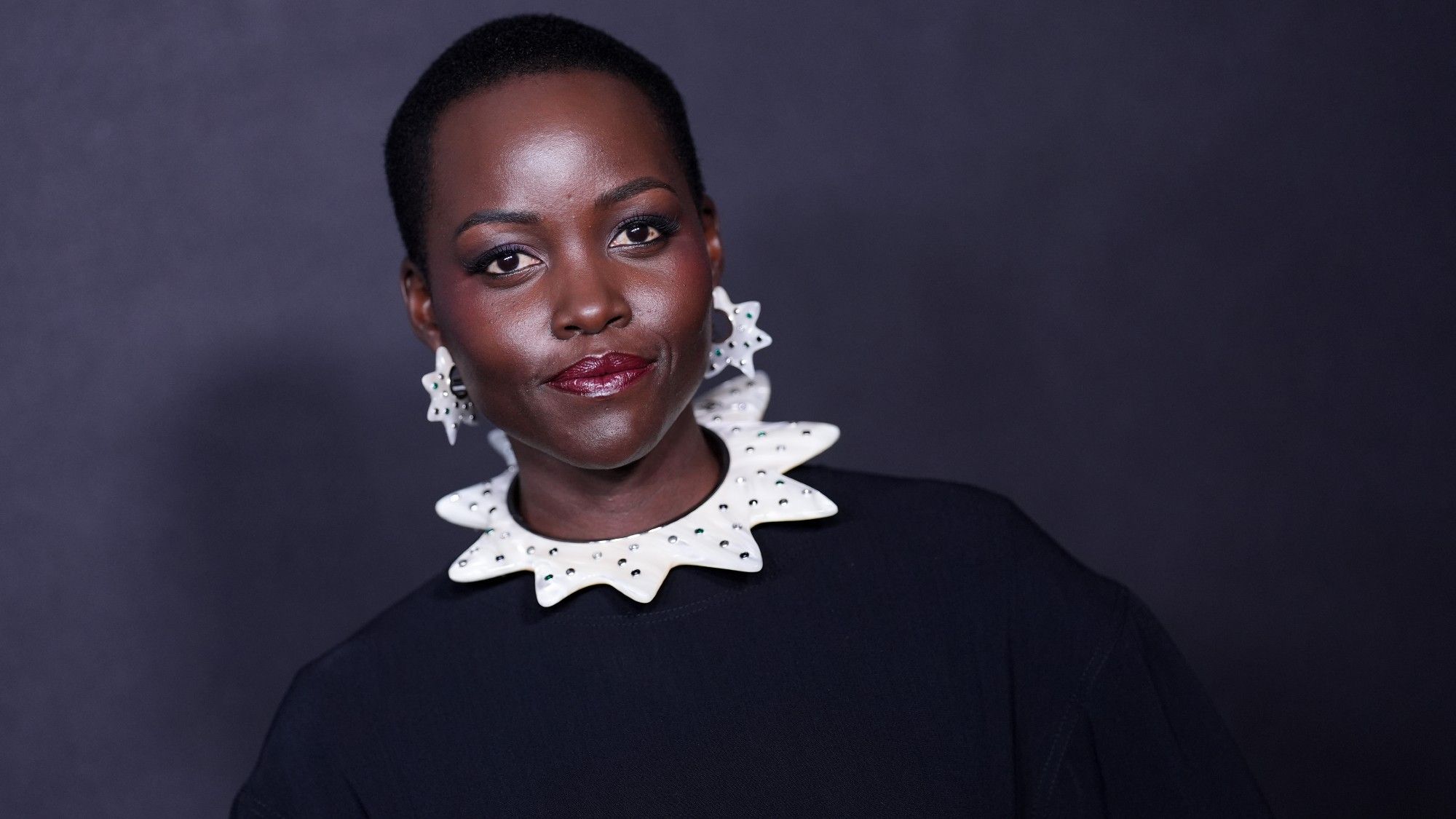
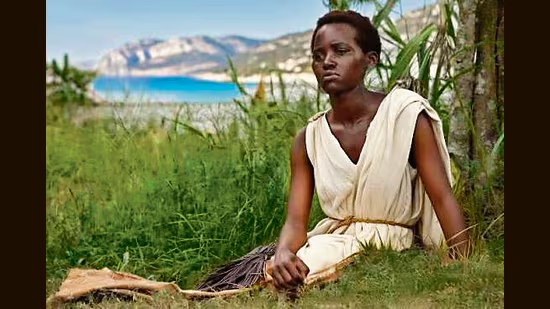
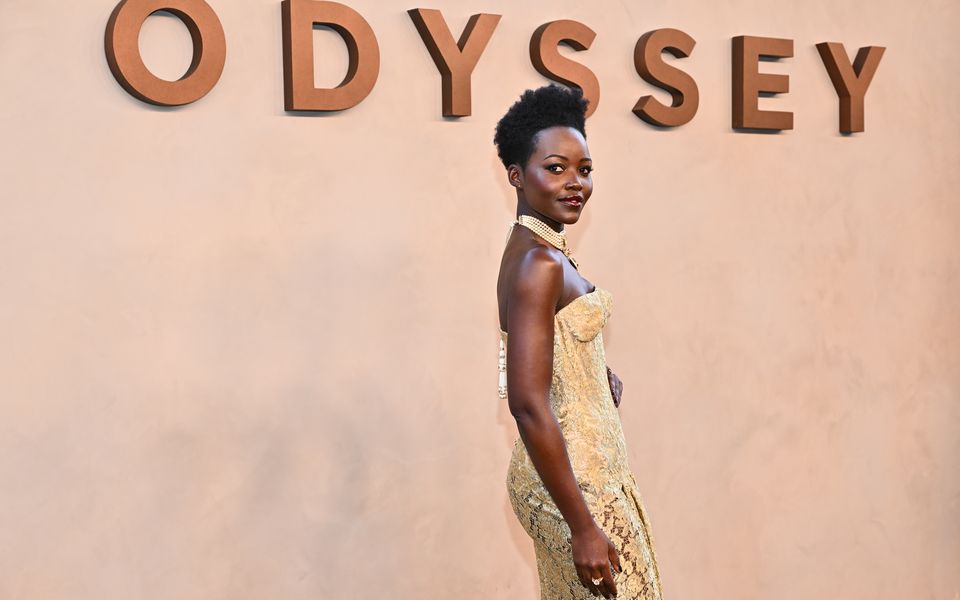
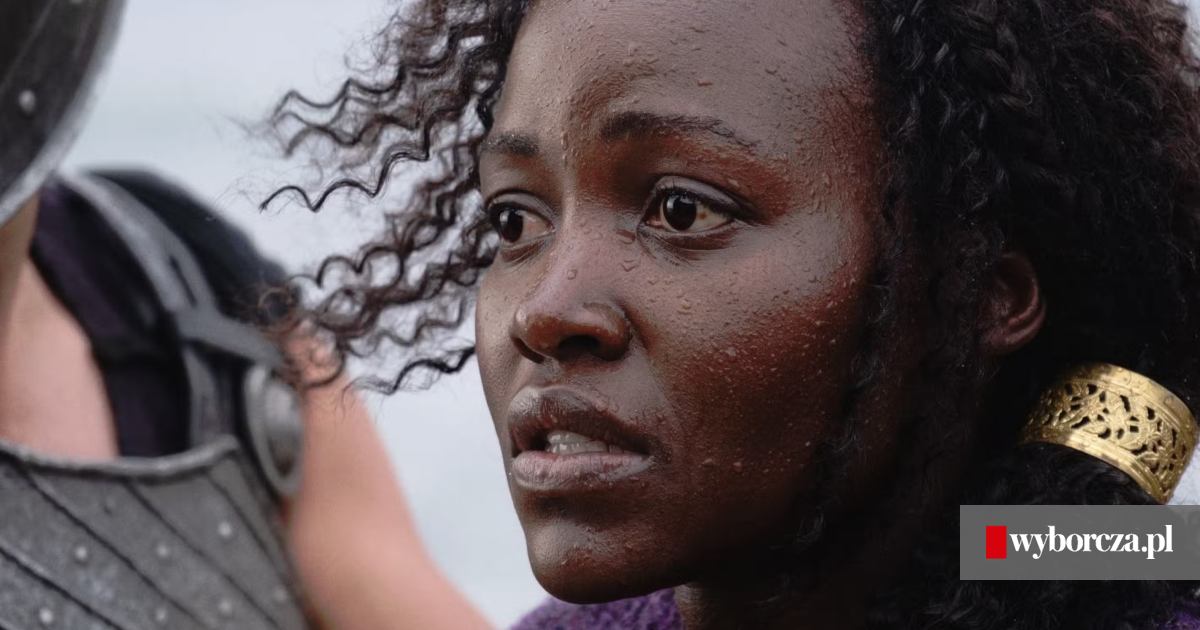
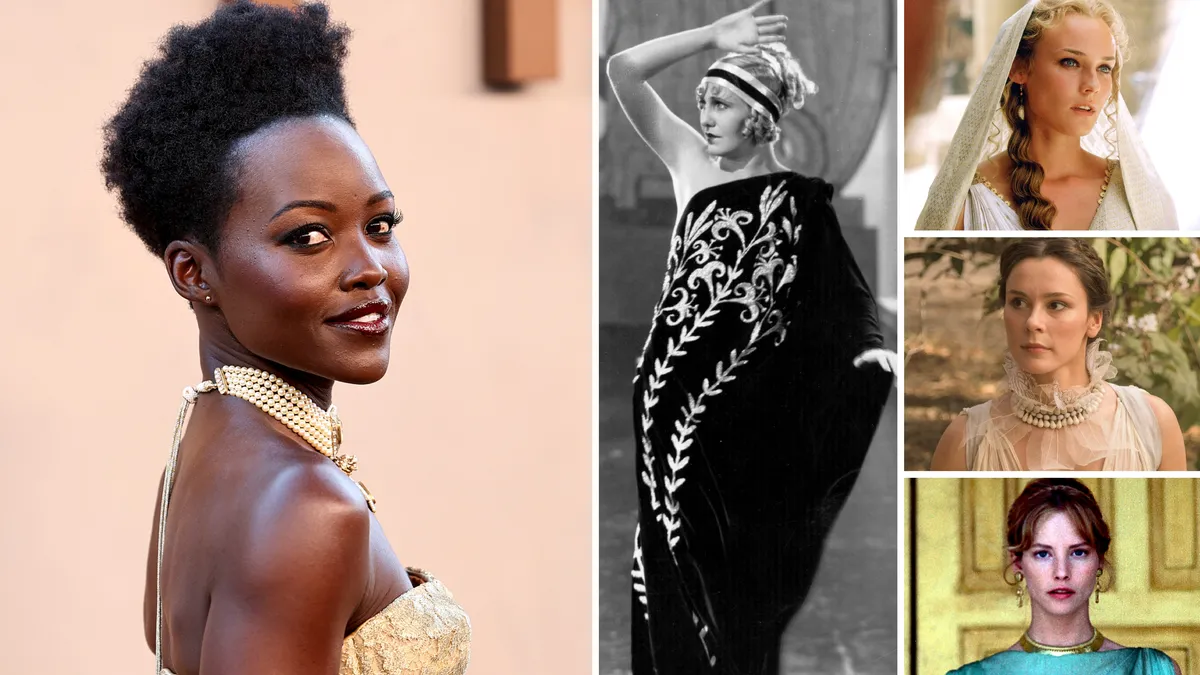
Spoiler alert! We're discussing important details about the plot of “The Odyssey” (in theaters now). Stop reading if you haven’t seen it yet and don’t want to know what happens.If you're casting a face that could launch a thousand ships, you can’t go wrong with Lupita Nyong’o.The Oscar winner appears in dual roles in Christopher Nolan’s three-hour epic “The Odyssey,” playing Helen of Troy, the world’s most gorgeous woman, and her twin sister, Clytemnestra.There’s no arguing that Nyong’o is impossibly stunning: Not only has she been a Lancôme and Chanel ambassador, but she was also name-checked for her beauty in the Beyoncé song “Brown Skin Girl.” And yet, her casting as a literal demigoddess sparked outcry from a racist throng on social media.Here’s what Homer has to say about the character – and why Nolan’s casting of Nyong’o is so genius.How is Helen of Troy described by Homer?Helen is the daughter of Spartan queen Leda, who was seduced by Zeus after he transformed into a swan. As a result, Helen hatched from an egg. (Yes, we’re serious.)She went on to marry Menelaus (played in the movie by Jon Bernthal), king of Sparta, but was later (contentiously) abducted by Trojan prince Paris, which sparked the Trojan War. Agamemnon (Benny Safdie), Menelaus’ brother and Clytemnestra’s husband, helped seize the city of Troy and return Helen home.In the poem “The Odyssey,” the character is described as “Helen of the lovely hair,” while in “The Iliad,” Homer says she is both “Helen, queen among women” and “white-armed Helen.” But in Homeric Greek, “white-armed” does not necessarily mean one has pale skin. Instead, it’s meant to suggest that someone is upper-class and high-status, never having spent time outdoors performing manual labor.Despite these vague descriptions, Helen has almost exclusively been portrayed as Caucasian in art, TV and film. In the 2003 miniseries “Helen of Troy” and 2004 movie “Troy,” the character is depicted with fair skin and golden blonde hair (as played by Sienna Guillory and Diane Kruger, respectively). In the 1967 horror drama “Doctor Faustus,” meanwhile, Elizabeth Taylor dons her signature raven hair and dark cat-eye liner as Helen.Why Lupita Nyong'o was the only actor who could play Helen of TroyWhether she’s dazzling on a red carpet, or lighting up the big screen in films such as “Black Panther” and “12 Years a Slave,” Nyong’o, 43, has always carried herself with an intelligence and poise that is befitting of Greek royalty. With her breathtaking work in "Us" and "A Quiet Place: Day One," she has continually proven herself as one of the greatest actresses of her generation.And although she has very little screentime in "The Odyssey," Nolan is interested in Helen of Troy as more than a mere figure. In one of his key changes to the story, Nolan gives Helen a giant scar across her face, which is never explained but lightly joked about by Menelaus.Through the characters of Odysseus (Matt Damon), Sinon (Elliot Page) and Athena (Zendaya), the filmmaker thoughtfully explores the casualties of violence and its far-reaching consequences. By giving Helen a conspicuous scar, Nolan shows that even the most coveted woman on the planet is not immune to mankind’s brutality.Helen and Clytemnestra are half-sisters in Greek mythology, but Nolan makes them identical twins. It's a powerful tweak, meaning Helen's beauty is still exceptional but also not entirely unique: Was it really worth massacring thousands for this one person?Beyond her obvious allure, Nyong’o is able to communicate the quiet pain and shattering realities of both Helen and Clytemnestra, which is precisely why Nolan was so perceptive in casting her.“I don’t think there’s anyone else in the world who could play that part,” Bernthal told USA TODAY. “We think of Helen of Troy and her beauty, but it’s about the inner life and how rich that is. She’s able to bring the awkwardness and shame and betrayal and survivor’s guilt and remorse and everything. We’re dealing with the repercussions of war, which is what Chris was really trying to get at.“To be able to bring in an actor like Lupita, who can convey so much with just a look – you really felt it in her,” Bernthal adds. “I’m so grateful it was her.”