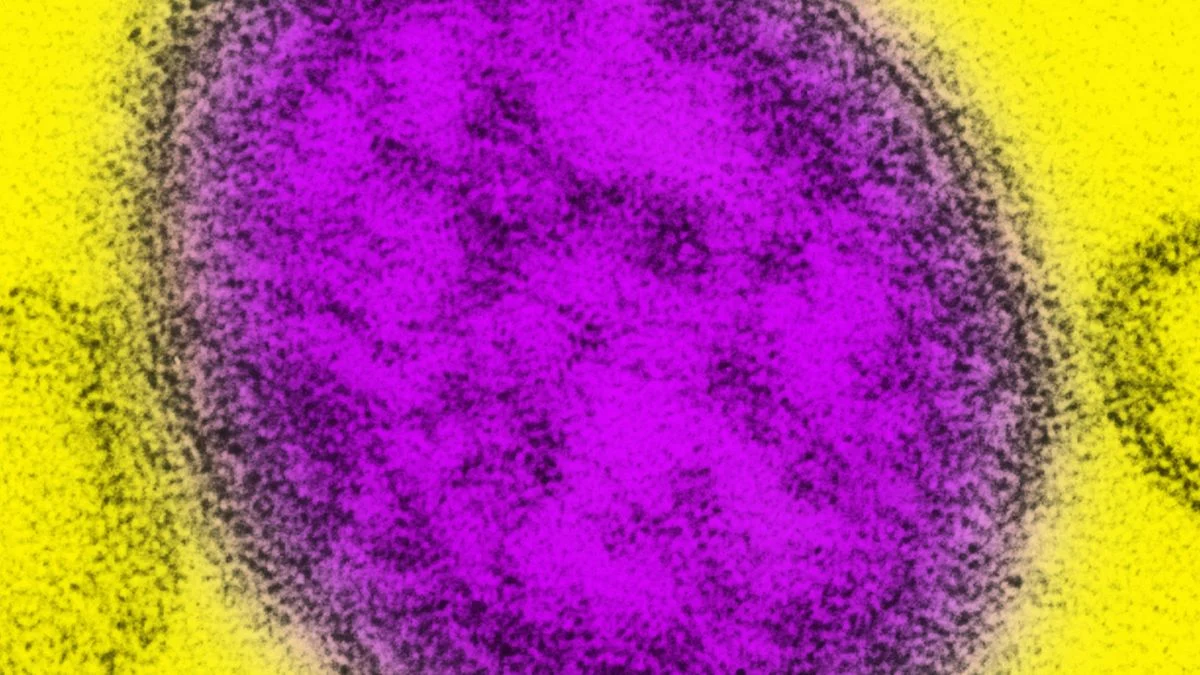
Transmission electron micrograph of a Single virus particle, or virion, of measles virus. (Callista Images/Getty Images)
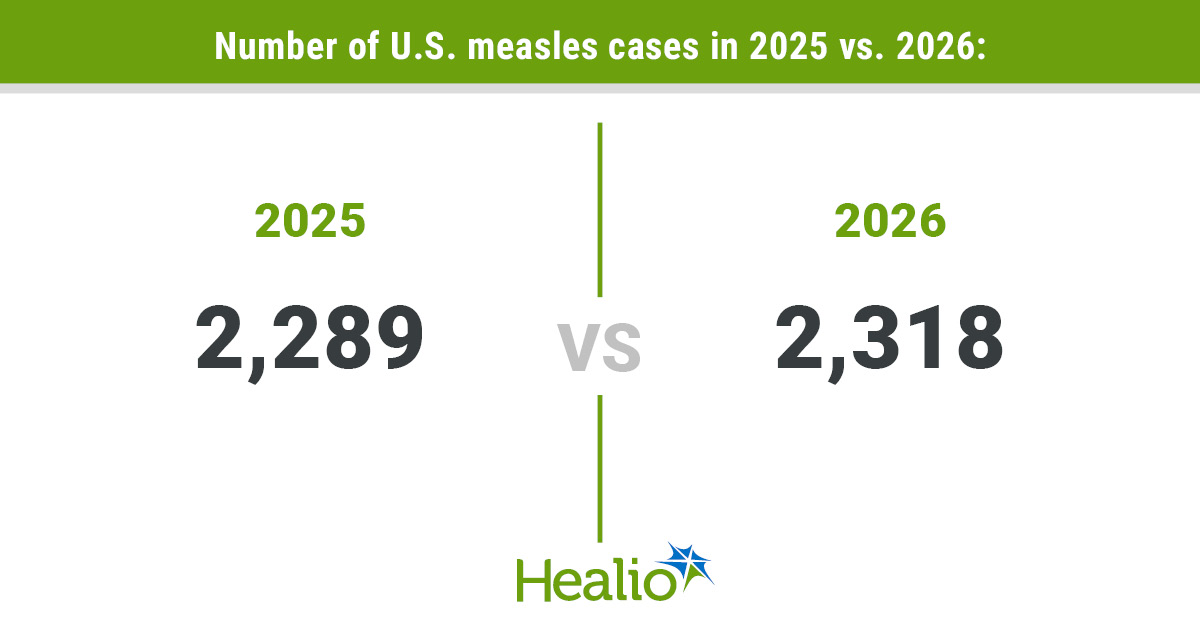
Measles cases in the United States have just passed a "grim milestone", reaching numbers that haven't been seen in 35 years.In 2025, the Centers for Disease Control and Prevention reported a total of 2,289 measles cases. Today, 21 July 2026, that number was officially breached, reaching 2,295 at the time of writing.The last time US measles cases exceeded this 2026 number was in 1991, when 9,643 cases were reported, following 27,808 cases in 1990. History of measles cases in the US. *2024-2026 data are preliminary and subject to change. (CDC)Annual cases dropped in the following years, to just 312 in 1993, after a second vaccine dose was recommended and school vaccination programs began.Since then, measles case numbers have remained low. Until 2025, that is.Public health experts are deeply concerned. Last year, three people died from the disease. No deaths have yet been reported in 2026, but with each new case, the odds are getting worse.
"This was truly a problem of our own making and completely preventable." – public health expert Jessica Steier
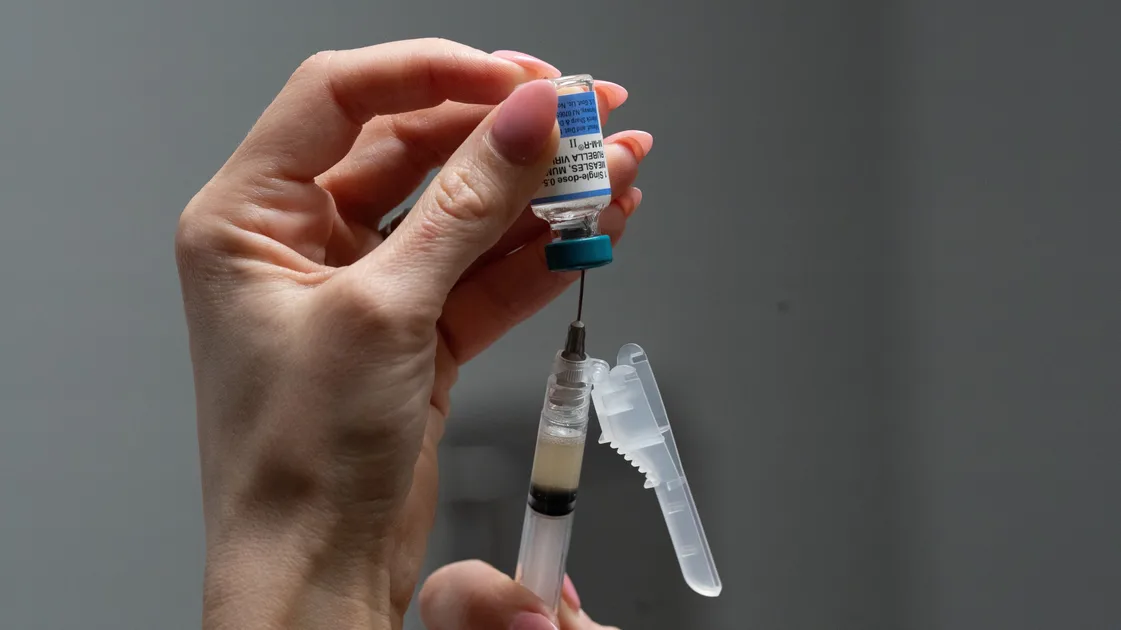
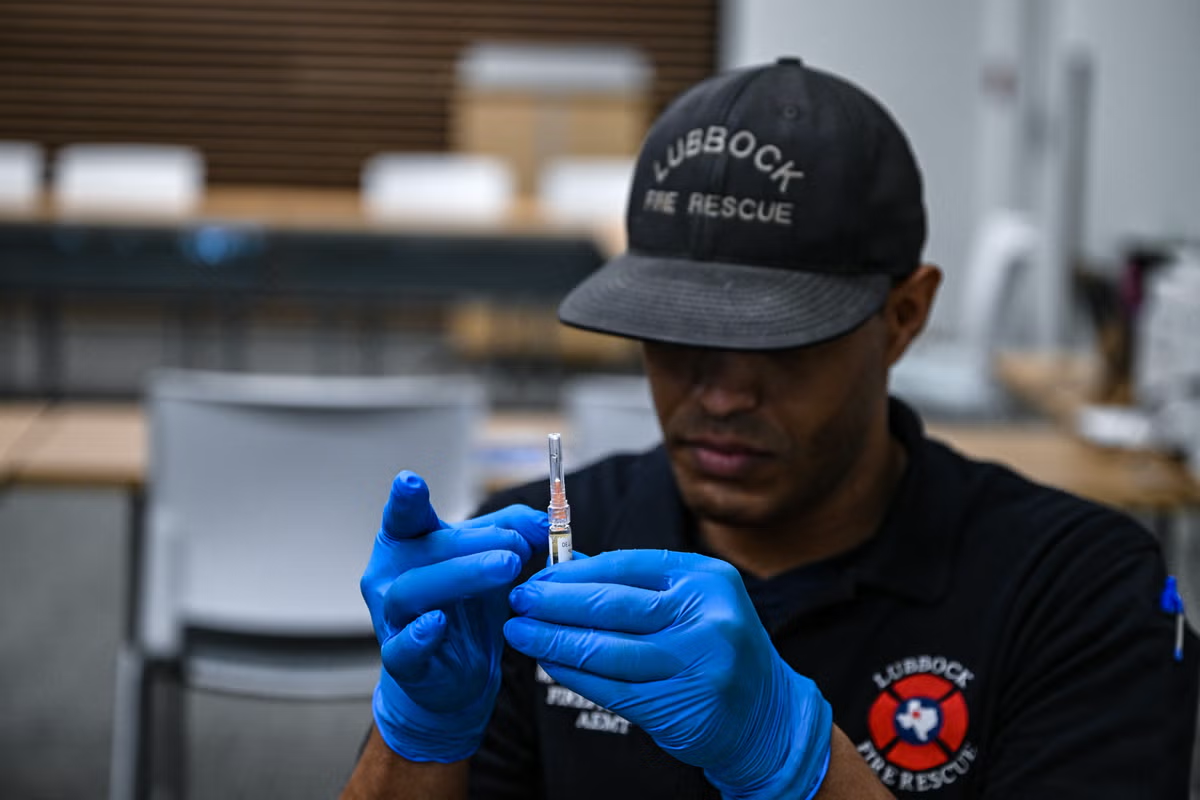
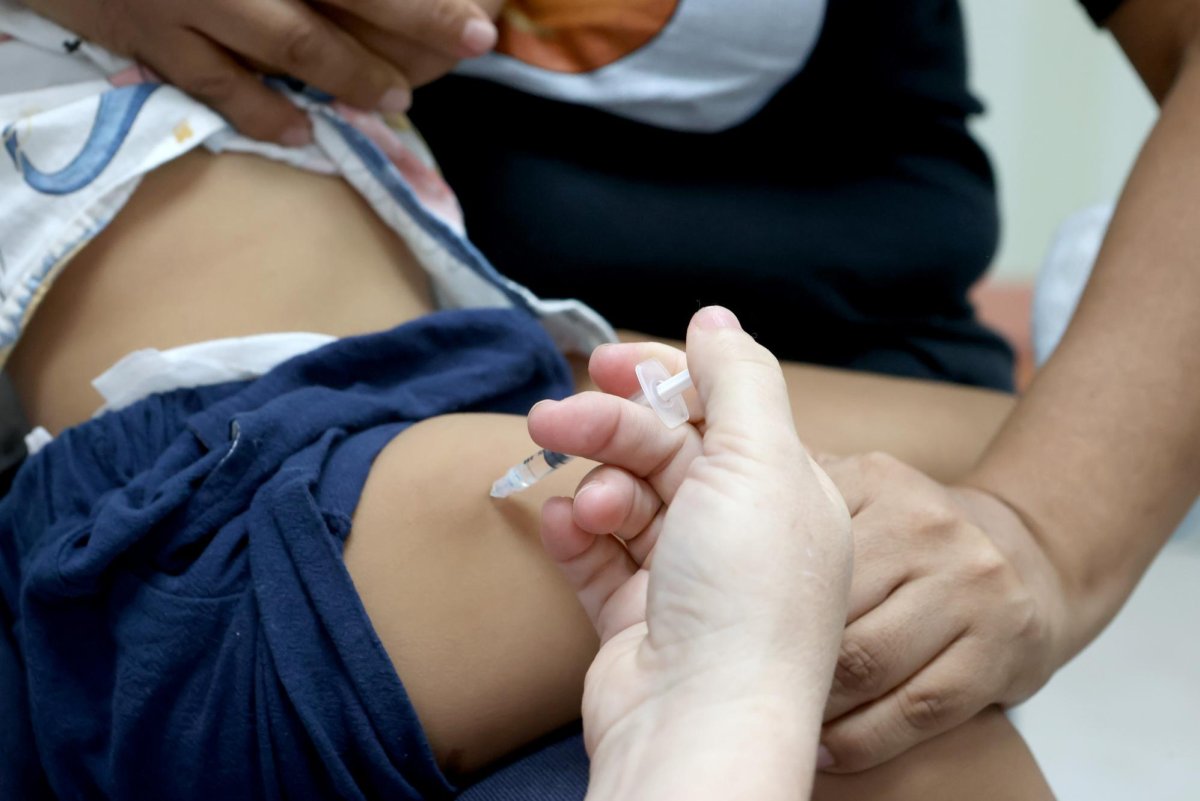
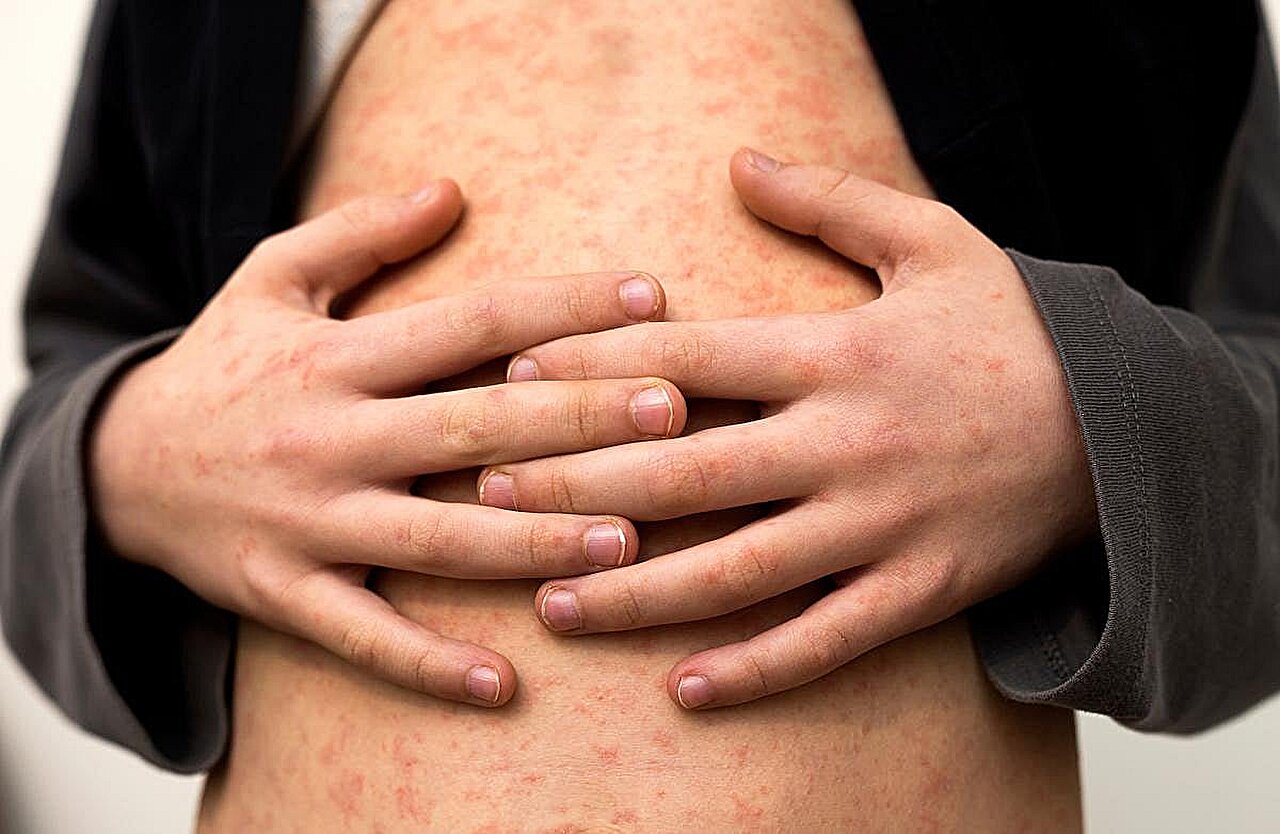
William Moss is an epidemiologist with the Johns Hopkins Bloomberg School of Public Health, where he is part of a team closely tracking the national measles outbreak.He says this is a "grim milestone" that could have been avoided."It is tragic that in 2026, only partway through the year, we are surpassing the 2025 total," Moss told ScienceAlert.Measles is a highly contagious viral disease that is easily spread by airborne particles when an infectious person coughs, sneezes, or talks.For every one person infected, they'll spread the virus to up to 18 other people. By contrast, the infection rate (or R0) is around 2 for the flu and up to 4 for SARS-CoV-2.When the measles virus first lands in your body, it hijacks your cells to produce more copies of itself. Usually, these early moments of infection occur in the upper respiratory tract and lungs, where it begins to affect your ability to breathe. From there, the virus infects immune cells that carry it to the lymph nodes, where it has an easy route to travel throughout the body.Symptoms include fever, coughing, and a red, raised rash. Infected people may also develop other symptoms, such as ear infections, pneumonia, diarrhea, or encephalitis (inflammation in the brain that can cause brain damage).Measles cases reported in the United States in 2026. (Johns Hopkins University)"This was truly a problem of our own making and completely preventable," public health expert Jessica Steier, founder of Unbiased Science, said in an interview with ScienceAlert."We eliminated measles in 2000 after decades of hard-won public health work, and now we're watching that progress erode… It is devastating for the children in our country."In severe cases, measles can lead to hospitalization and may even result in death.Experts advise that the best way to protect yourself and your family from measles is to get vaccinated."In countries where measles is endemic, parents, health care workers, and political leaders are aware of the devastating effects of measles," Moss, whose work has mainly been situated in resource-poor countries, told ScienceAlert."In many of these countries, the challenge is to improve access to measles vaccines, not convince people of the value of measles vaccine."