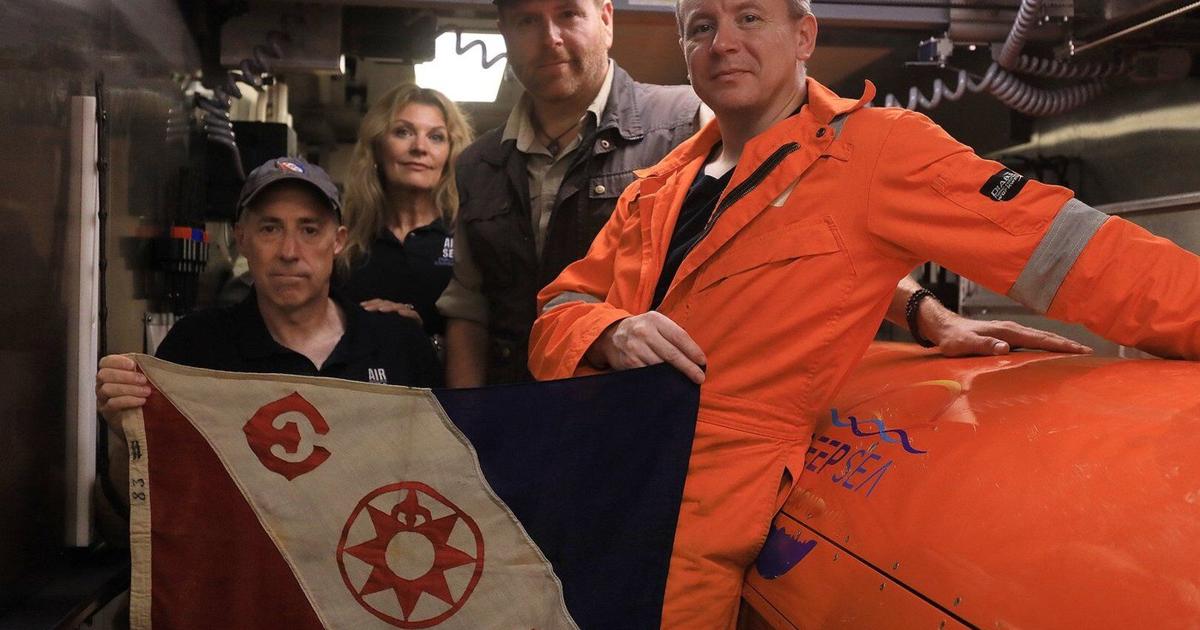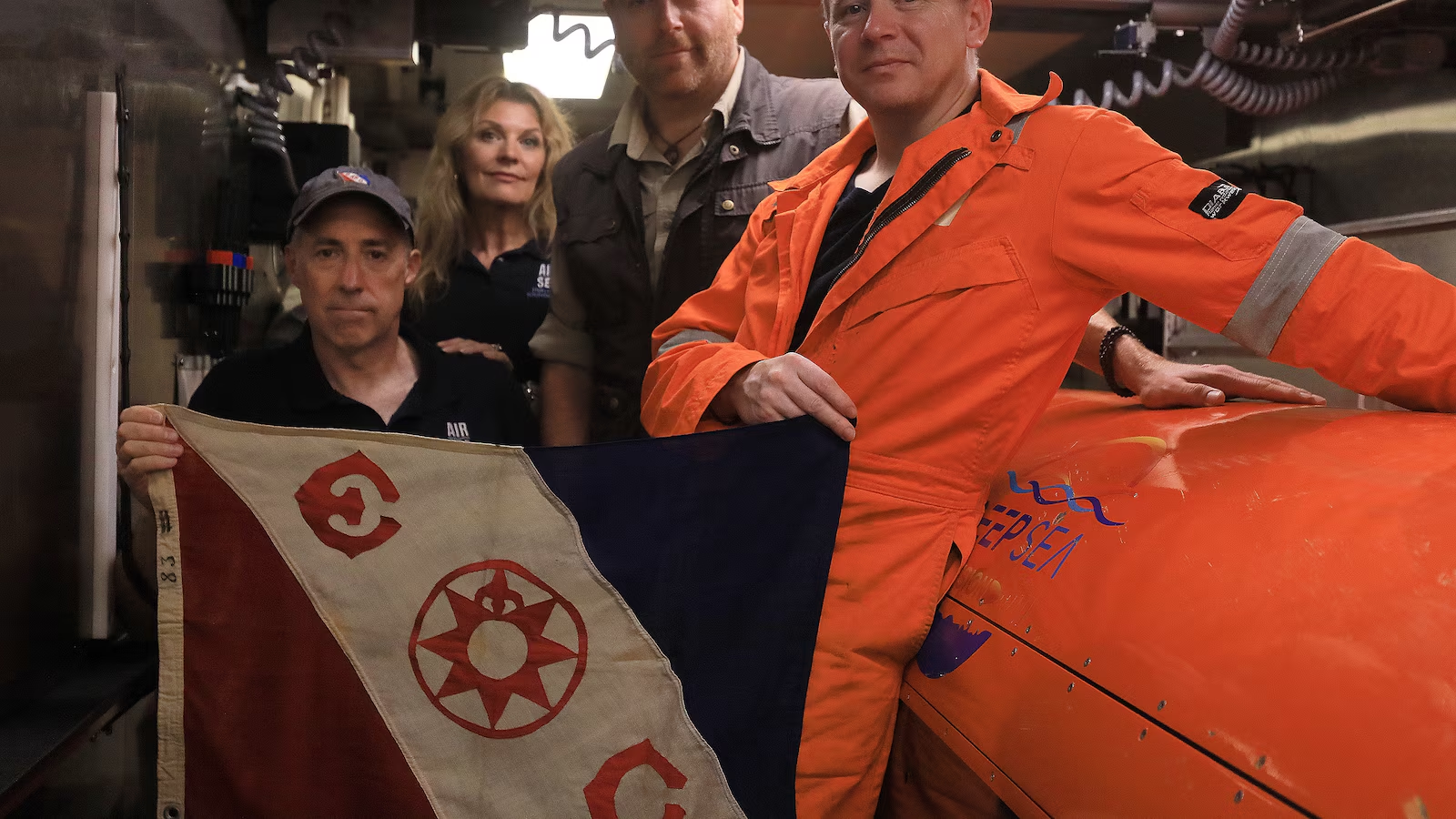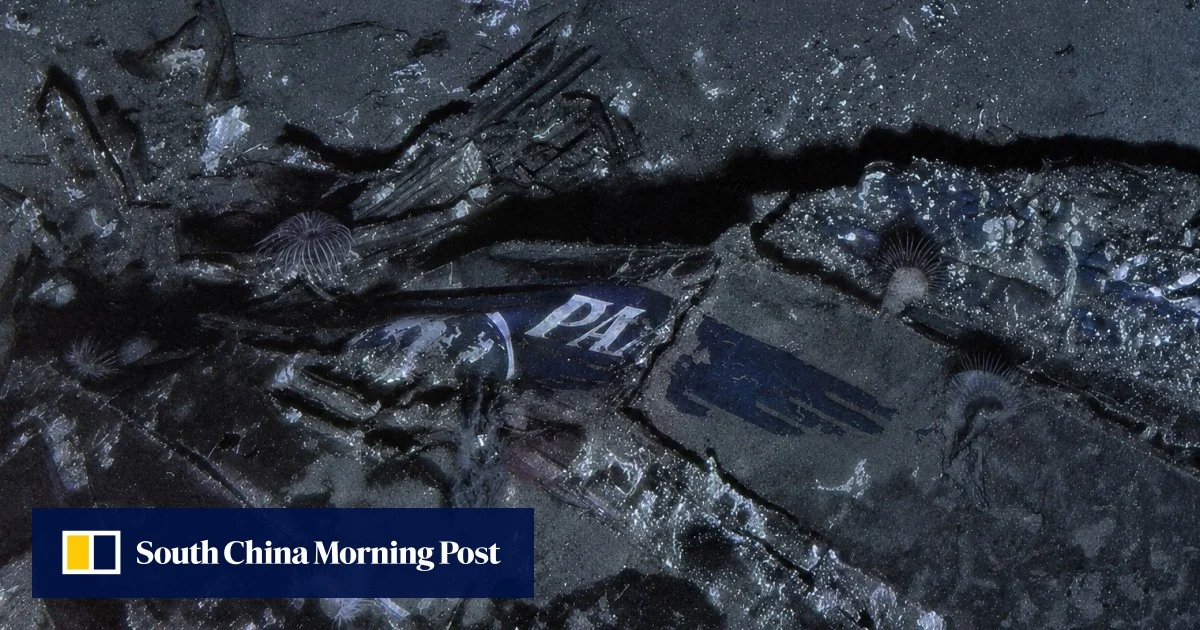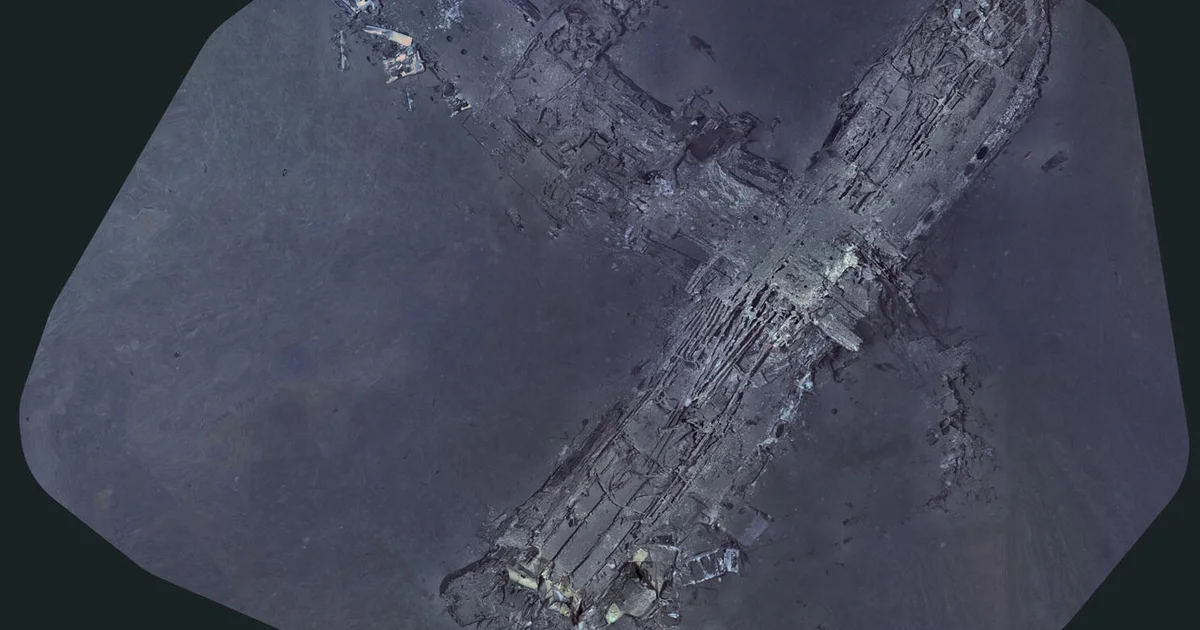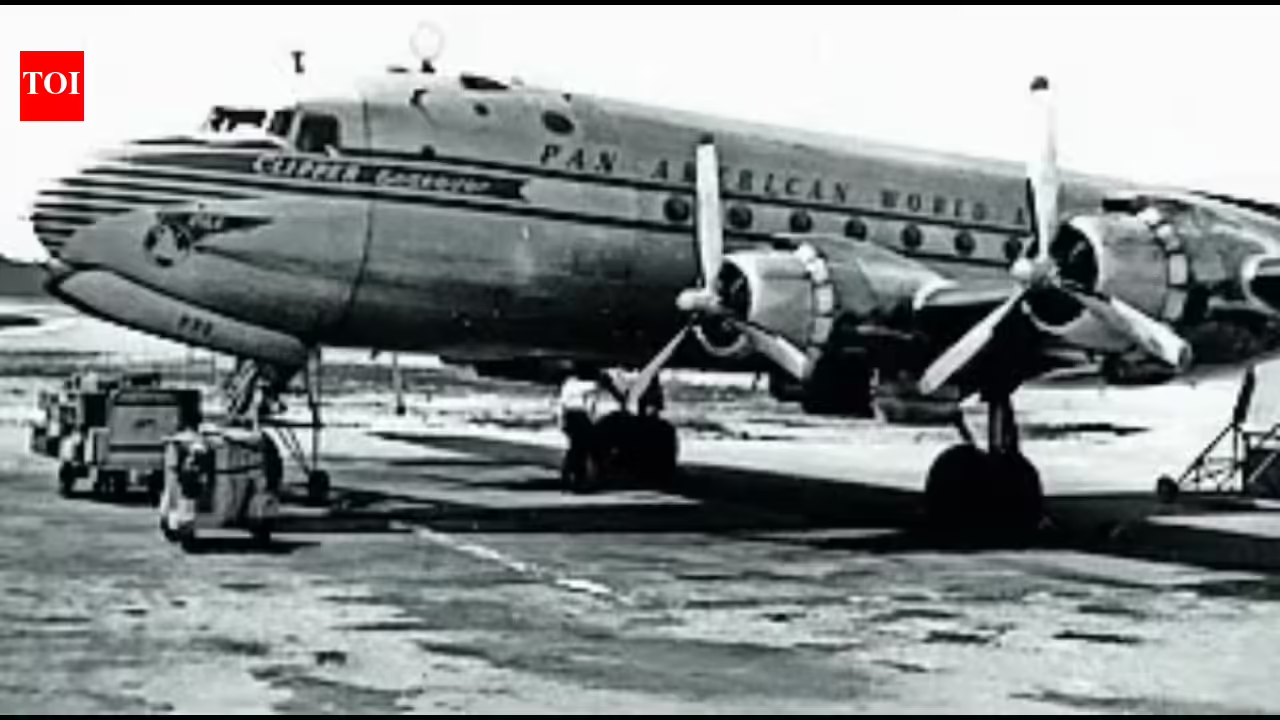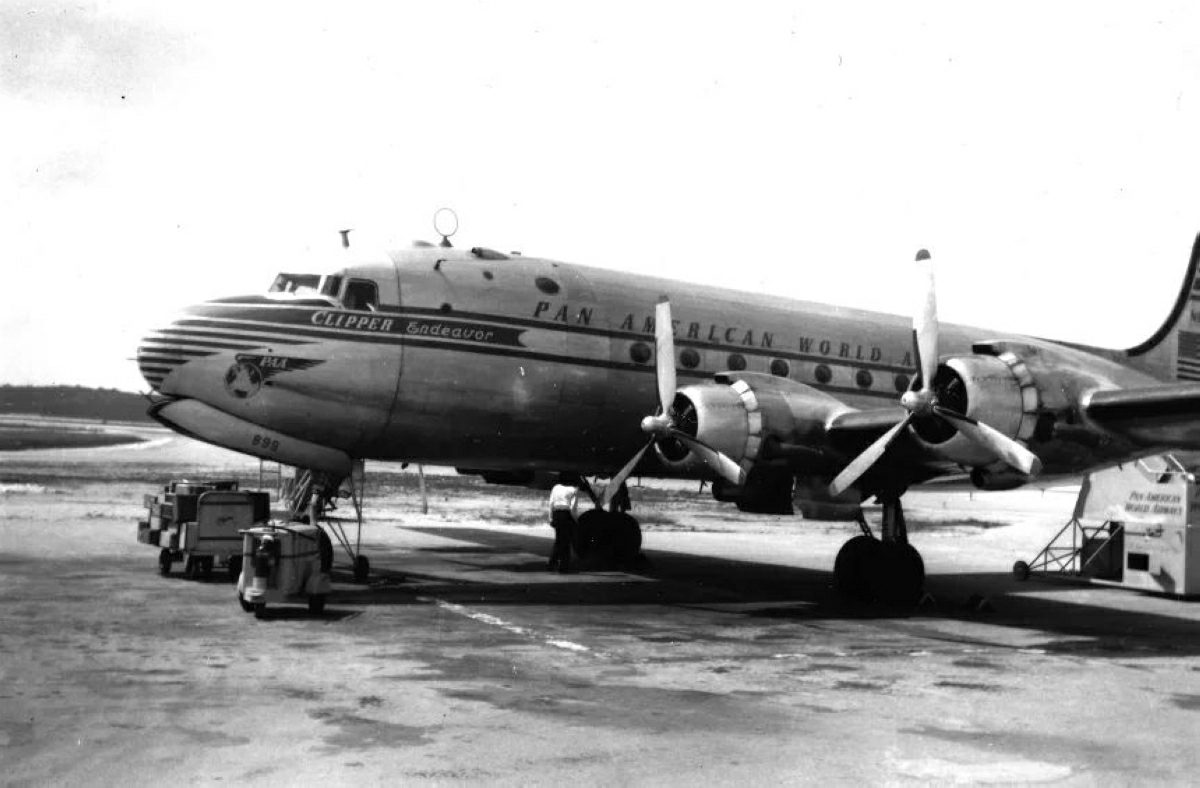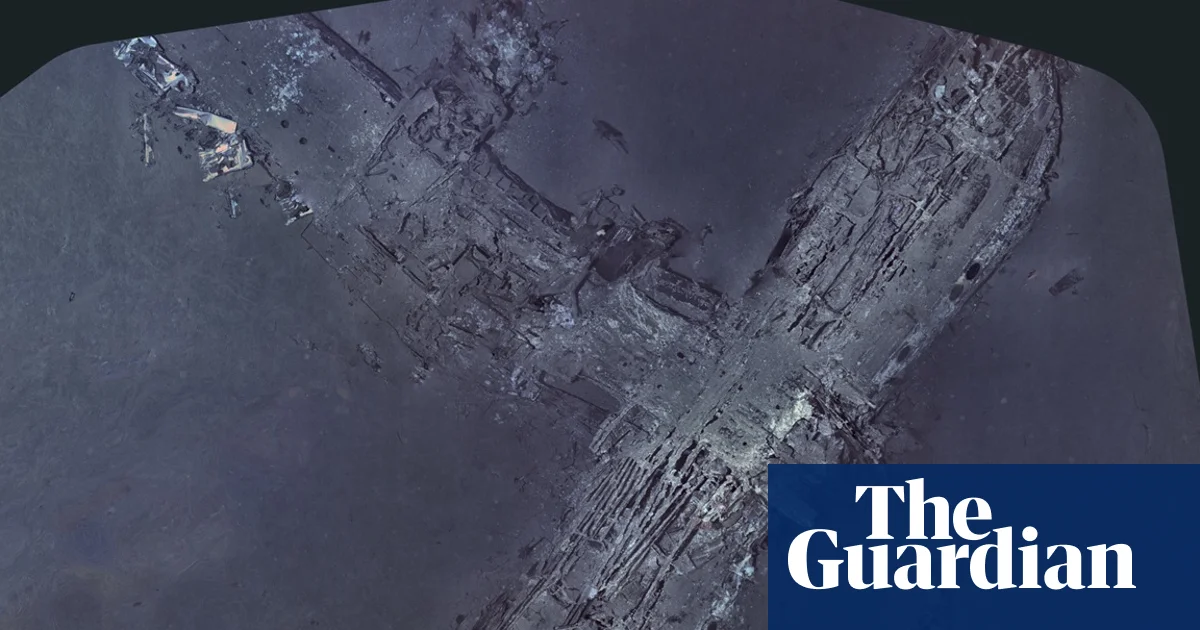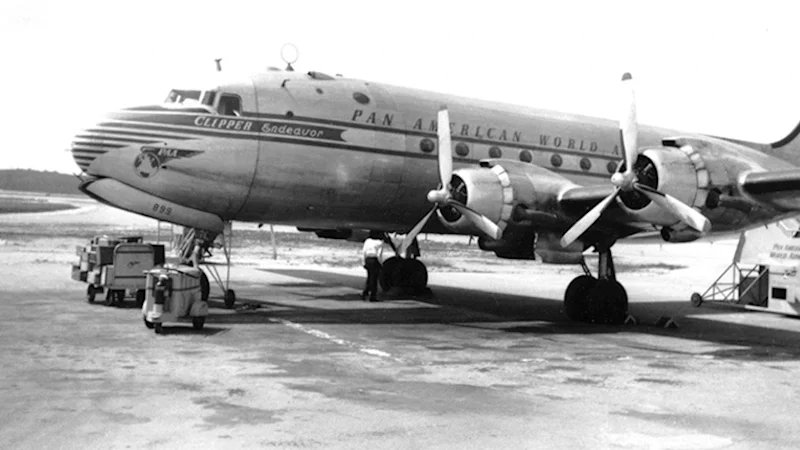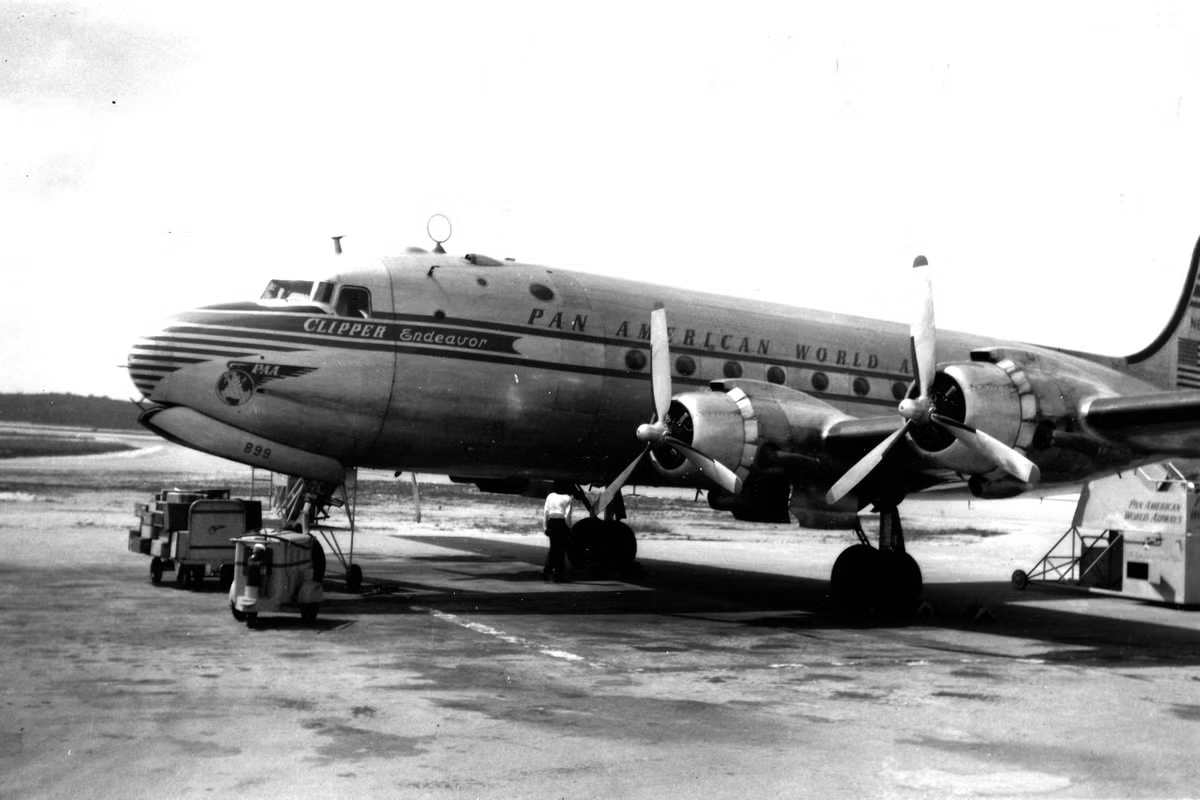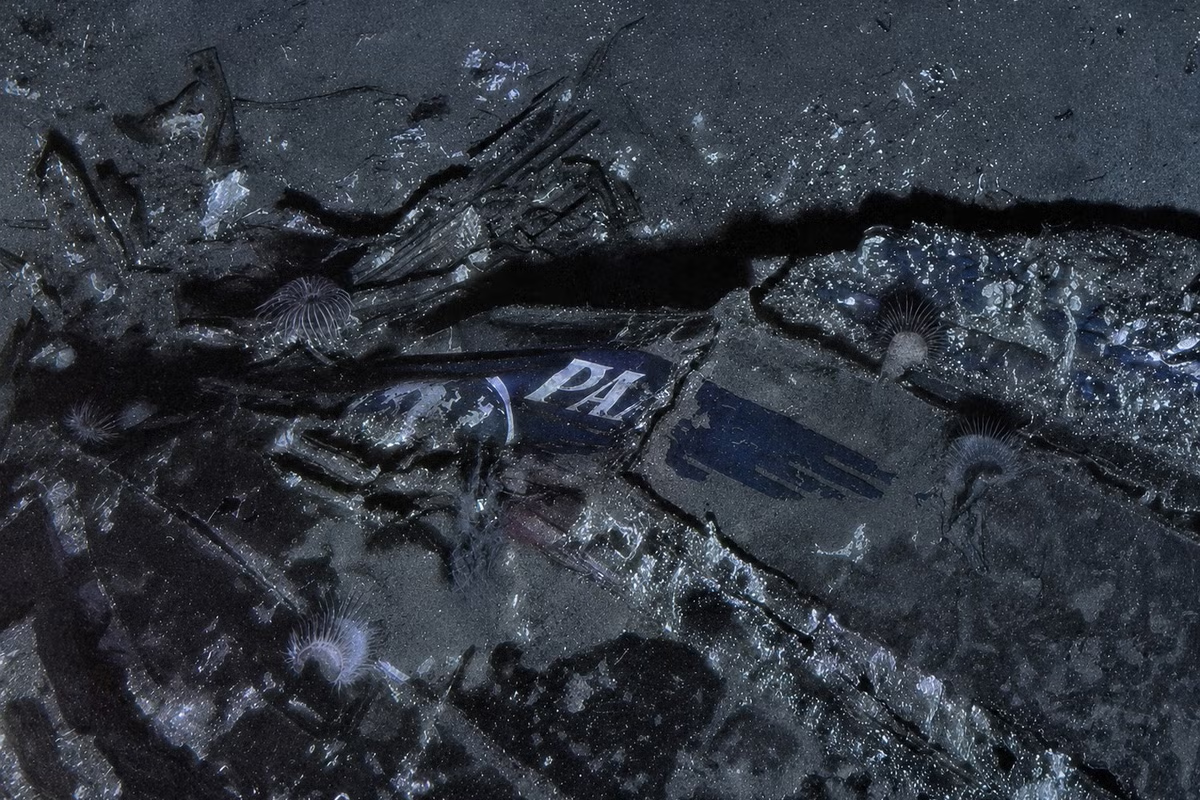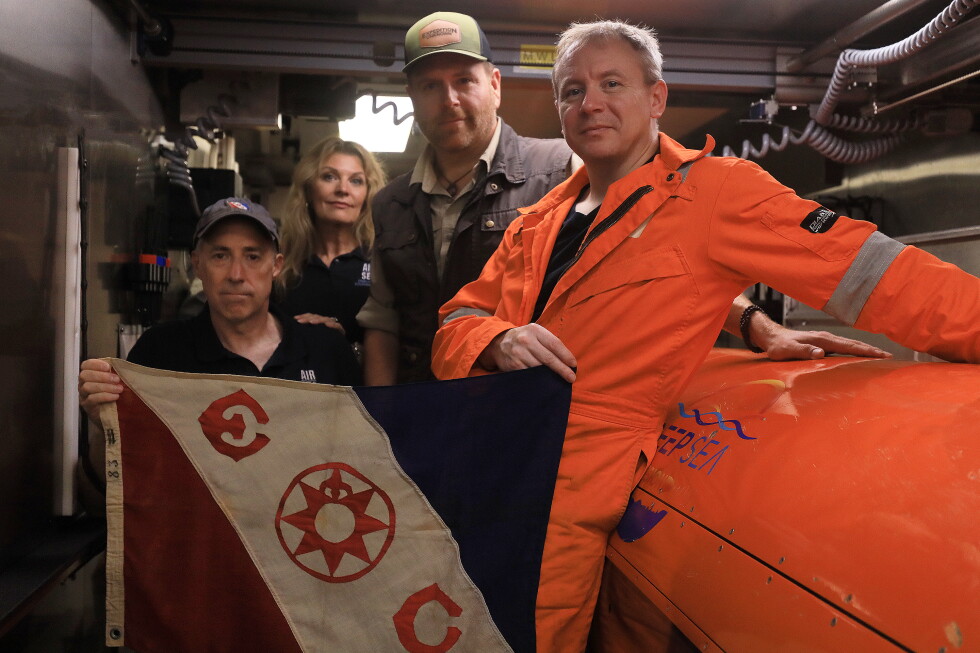
The wreckage from a Pan Am plane crash in the ocean 74 years ago that helped lead to requirements for the passenger safety briefings on every flight today has been found off the coast of Puerto Rico. The talks flight attendants deliver about how to inflate a life vest or find the exits on a plane that are routine today were developed after 52 people perished aboard Pan Am’s Clipper Endeavor because they didn’t get off the plane before it sank. Explorers used an autonomous sonar drone to find the fuselage and tail of the DC-4 last month under 2,000 feet of water.The 12 passengers and five crew members who survived the crash on Good Friday in 1952 told investigators that everyone survived the plane’s hard landing on the water, but then panic set in and many passengers were reluctant to venture out into the waves as they struggled to find life vests and the crew had a hard time pulling the rafts out. The plane sank within minutes.“This one became a catalyst, and it helped drive safety steps forward of better flotation equipment and the preflight briefings,” said aviation safety expert John Cox. “So this is one steppingstone along the path to what we today enjoy as aviation safety. It was a rallying cry at the time.”And now the discovery of this wreck could offer new hope for families who lost loved ones in other ocean crashes like Malaysia Airlines Flight 370 that disappeared 12 years ago with 269 people aboard.
Wreckage found of Pan Am plane crash that helped lead to today's safety briefings on every flight
The wreckage from a Pan Am plane crash in the ocean 74 years ago that helped lead to requirements for the passenger safety briefings on every flight today has been found off the coast of Puerto Rico.
836 words~4 min read