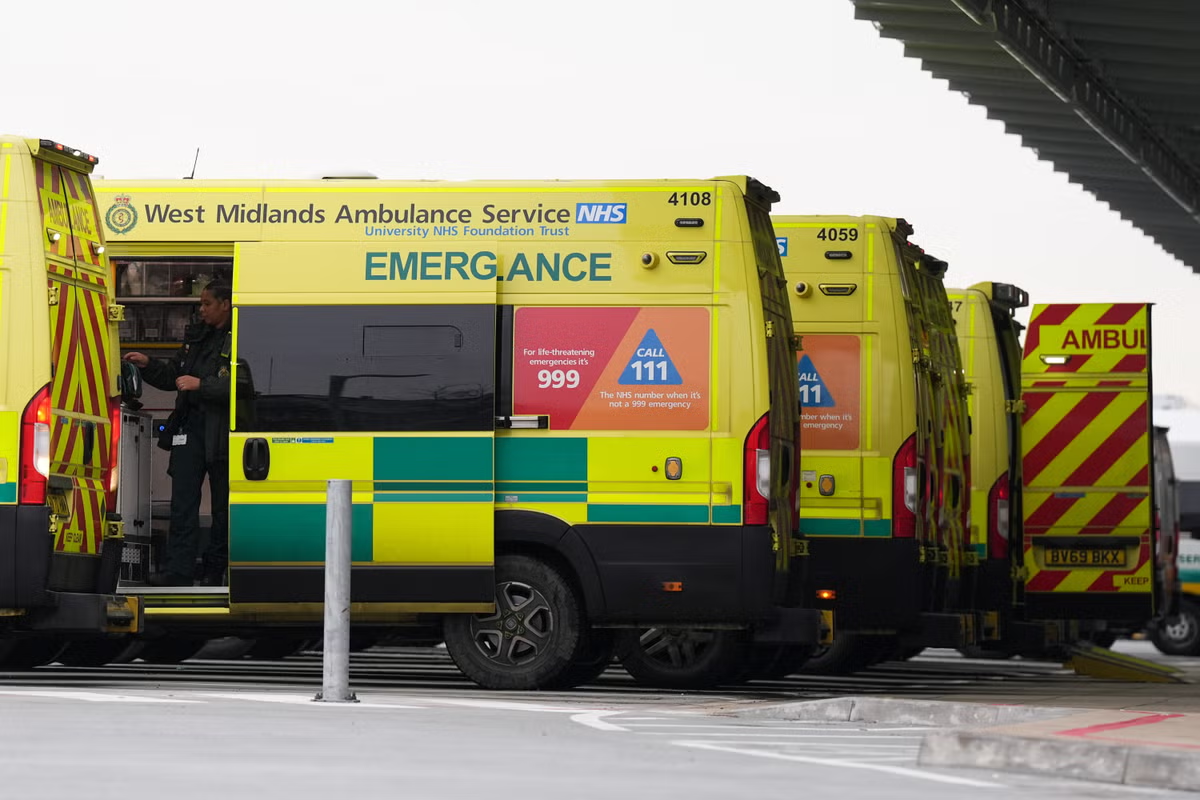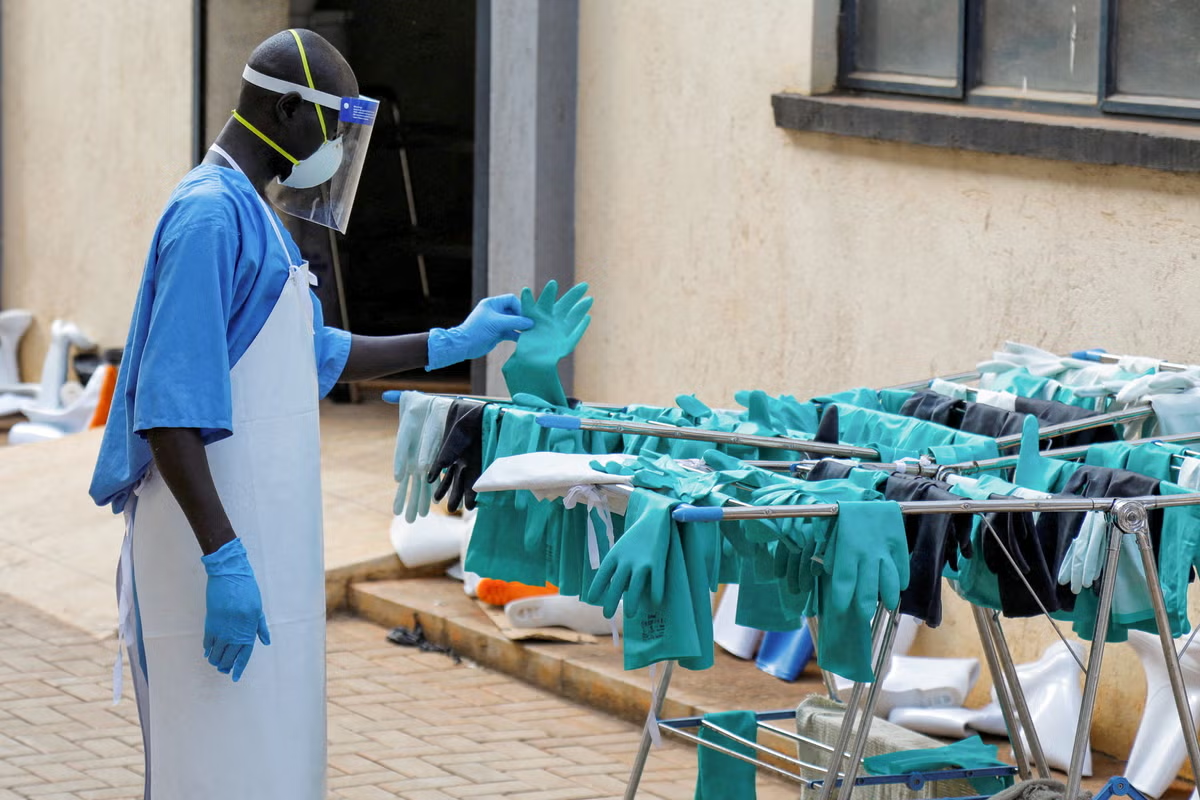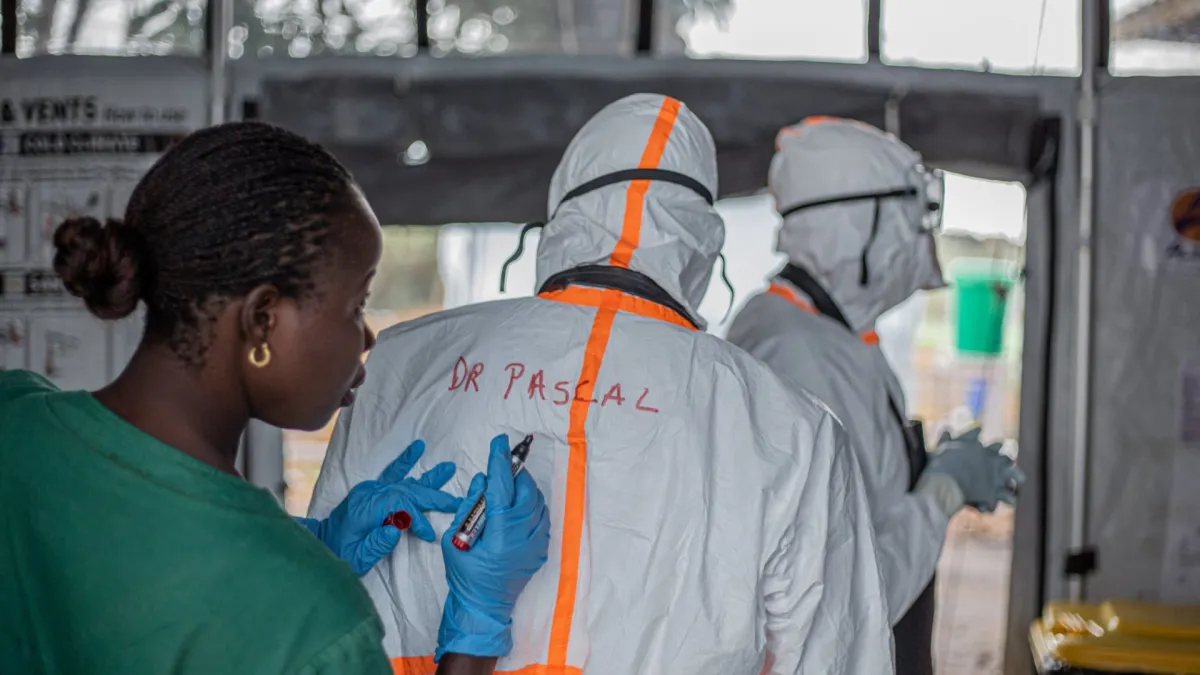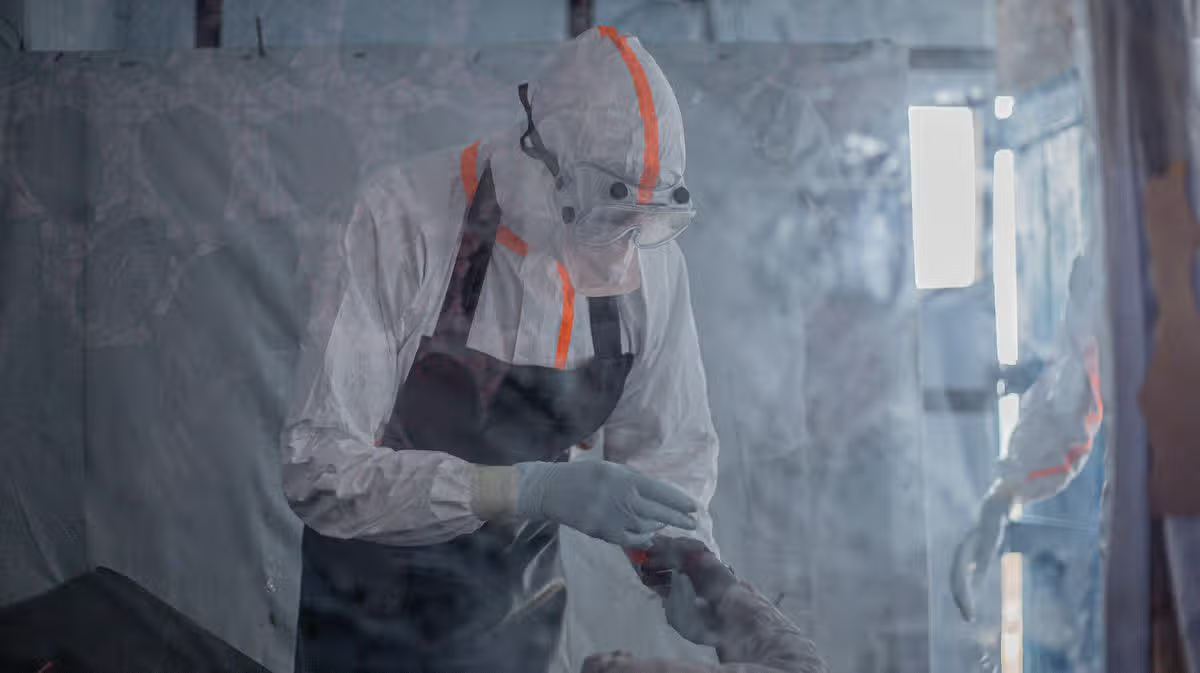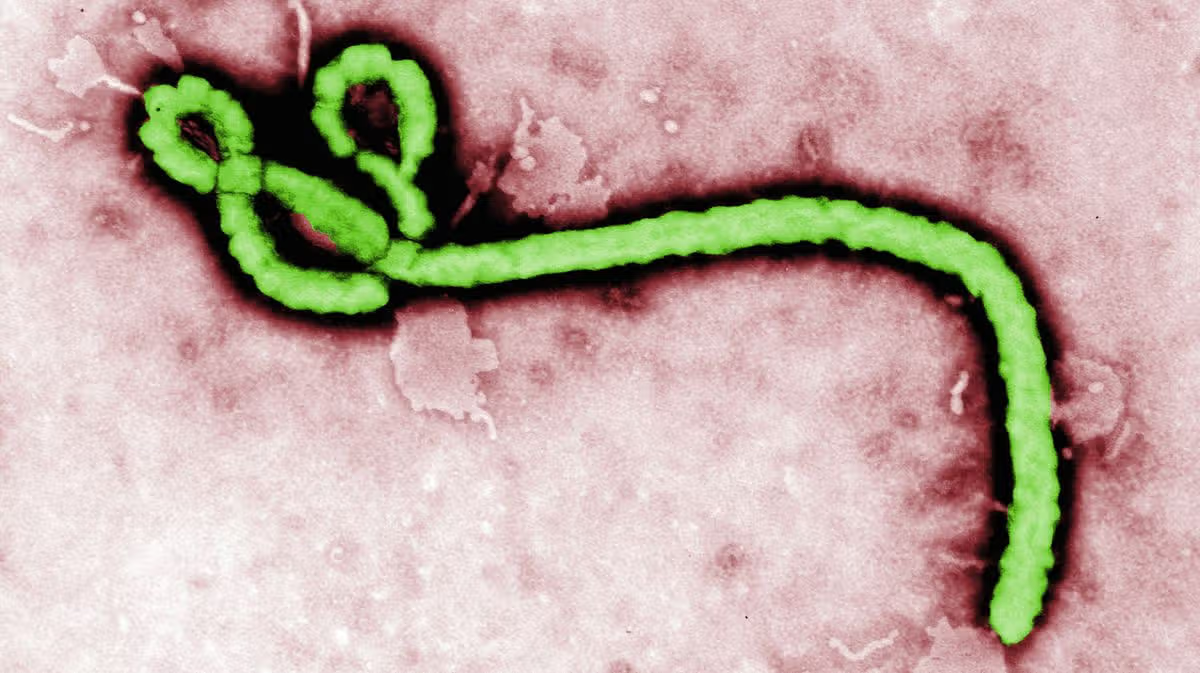
The individual, who was working in the Democratic Republic of Congo to help people affected by the Ebola outbreak, is now in isolation at a hospital in London21:59, 21 Jul 2026Updated 22:44, 21 Jul 2026A UK resident who was working with an organisation supporting the Ebola outbreak response in DR Congo has been put in isolation in London.The individual is not currently displaying any symptoms and remains well, the UK Health Security Agency (UKHSA) said. The measure to isolate them was taken as a precaution.The person in question was evacuated on a flight chartered solely for this purpose. They are now being assessed and monitored in isolation by infectious disease specialists at a London hospital.The incubation period of Ebola ranges from two to 21 days and the individual will be closely monitored and required to isolate throughout this period. There are currently no confirmed cases of Ebola in the UK and the risk to the general public remains low, the UKHSA added.Richard Pebody, director for epidemic and emerging infections at UKHSA, said: "The risk to the general public remains low. This individual has been transferred out of an abundance of caution, and we’re pleased they remain well."UKHSA will provide further updates if there is any change to the current situation. The last time an Ebola case was reported in the UK was in 2015, which was associated with the 2014 to 2016 outbreak in west Africa.At least 930 have died so far in DR Congo as the Ebola outbreak was declared on May 15. This is the fastest growing Ebola epidemic on record.Outside of DR Congo, 20 cases have been identified in Uganda and one in France. According to the World Health Organisation (WHO), two people died as a result of the virus in Uganda.To date, at least 410 patients have recovered, including 390 in DR Congo, 18 in Uganda, one in France and one in Germany, WHO added. WHO states: "The outbreak continues in a complex humanitarian and conflict-affected environment, characterized by highly mobile and often displaced populations, many of whom have limited access to basic services, including food, clean water, shelter, health care and protection.Article continues below"These conditions increase the risk of transmission, particularly in overcrowded sites for internally displaced people." Bundibugyo virus disease (BVD) is a severe Ebola disease caused by the Bundibugyo virus.Human infection is thought to occur through close contact with the blood or secretions of infected wildlife, such as bats or non-human primates. This then spreads from person-to-person through direct contact with bodily fluids of infected individuals or contaminated surfaces.Early symptoms include fever, fatigue, muscle pain, headache and sore throat. These can then progress to gastrointestinal symptoms, organ dysfunction, and, in some cases, haemorrhagic manifestations.
Feared case of deadly Ebola at UK hospital as patient in isolation after trip
The individual, who was working in the Democratic Republic of Congo to help people affected by the Ebola outbreak, is now in isolation at a hospital in London
451 words~2 min read