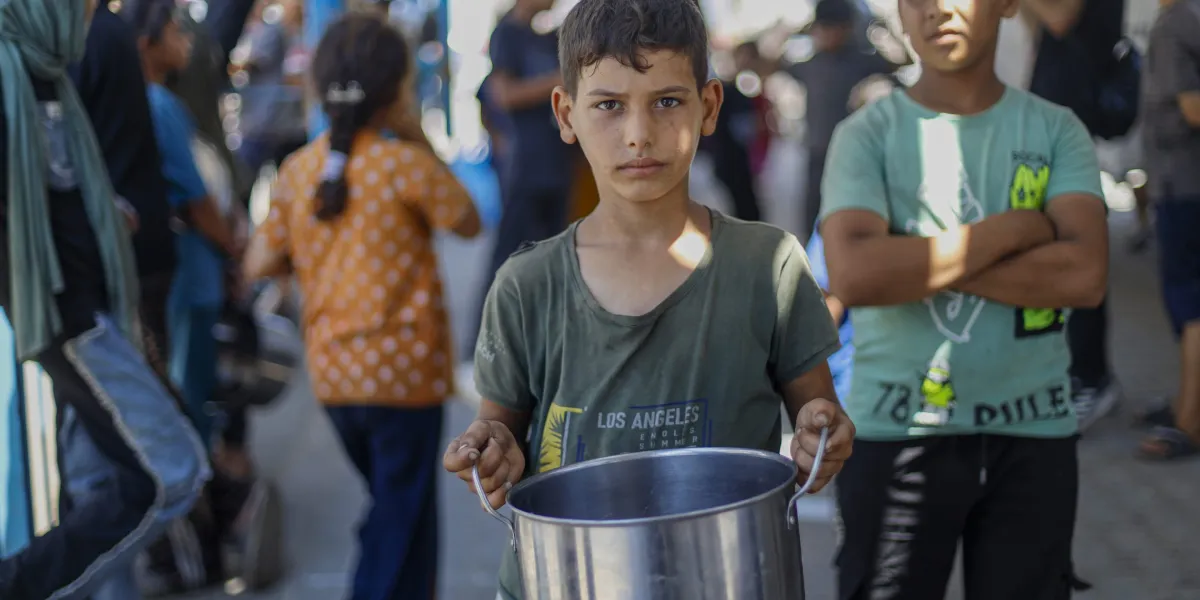
The Iran war has done more than send oil prices spiking and shut down shipping through the Strait of Hormuz—it could reshape how many people go hungry through the rest of the decade to nearly 19 million more across Asia and Africa combined, according to a UN report released Tuesday.
The State of Food Security and Nutrition in the World 2026 report, published jointly by five UN agencies, modeled what happens to global hunger through 2030 under competing assumptions about how long the fallout from this year’s conflict in the Middle East lasts. In the most pessimistic scenario, in which strikes on oil and gas infrastructure in the Persian Gulf take years to repair, the report projects 522 million people will be undernourished in 2030 compared to the 503 million in a pre-conflict baseline.
That gap, 18.8 million additional people pushed into chronic hunger, is driven almost entirely by two regions: Asia, where the report projects 10 million more hungry people than it would have without the war, and Africa, with 8 million more, with Latin America and the Caribbean making up the difference.
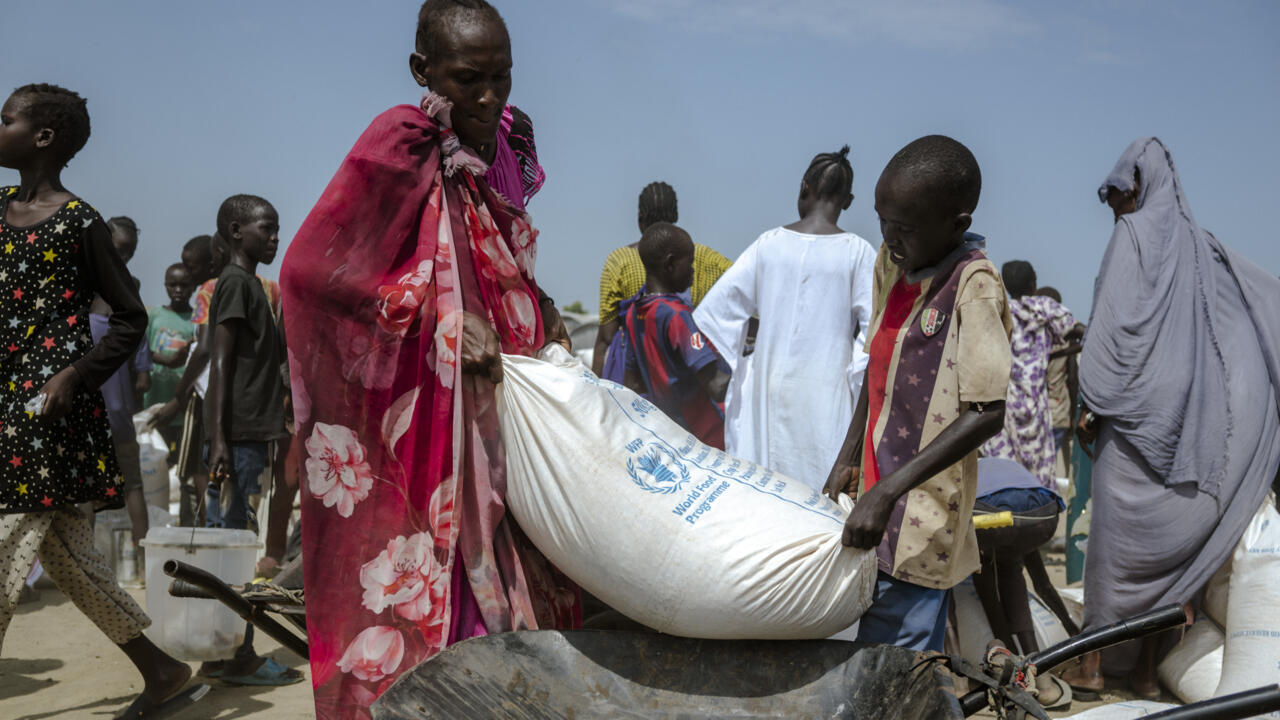
That figure is narrower than what the World Food Programme, one of the agencies involved in the report, warned of earlier in the war. In a March analysis, WFP projected that up to 45 million more people could be pushed into acute food insecurity by mid-2026 if the conflict persisted and oil stayed above $100 a barrel. However, that number measures something different: an acute, near-term crisis rather than the longer-run undernourishment the new SOFI report tracks through 2030.