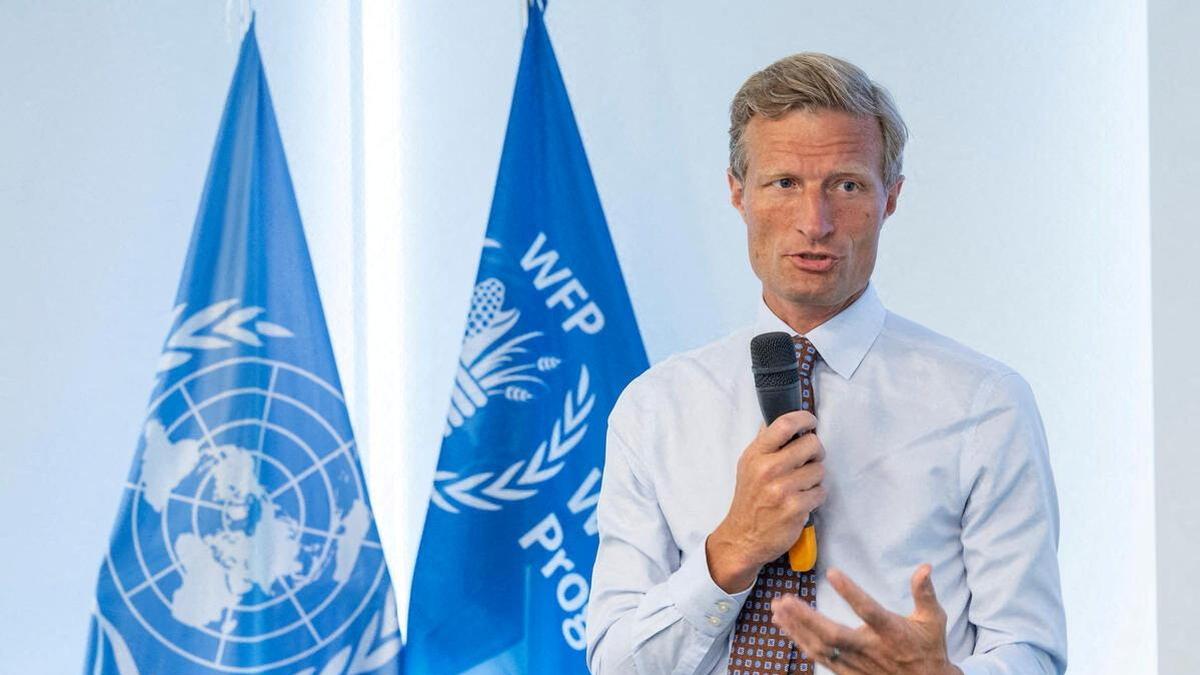
World Food Programme Deputy Executive Director and Chief Operating Officer Carl Skau. File
| Photo Credit: Reuters
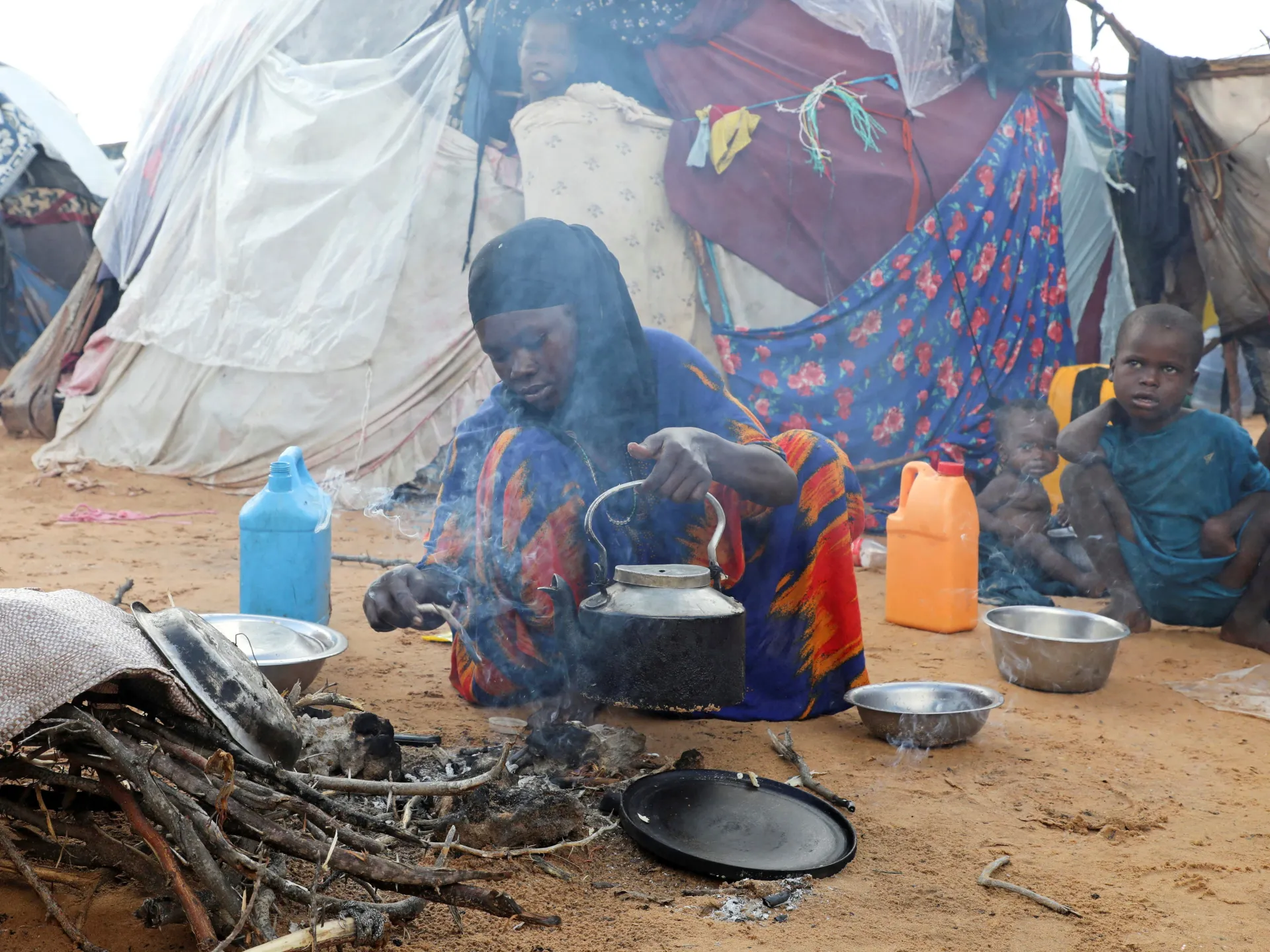
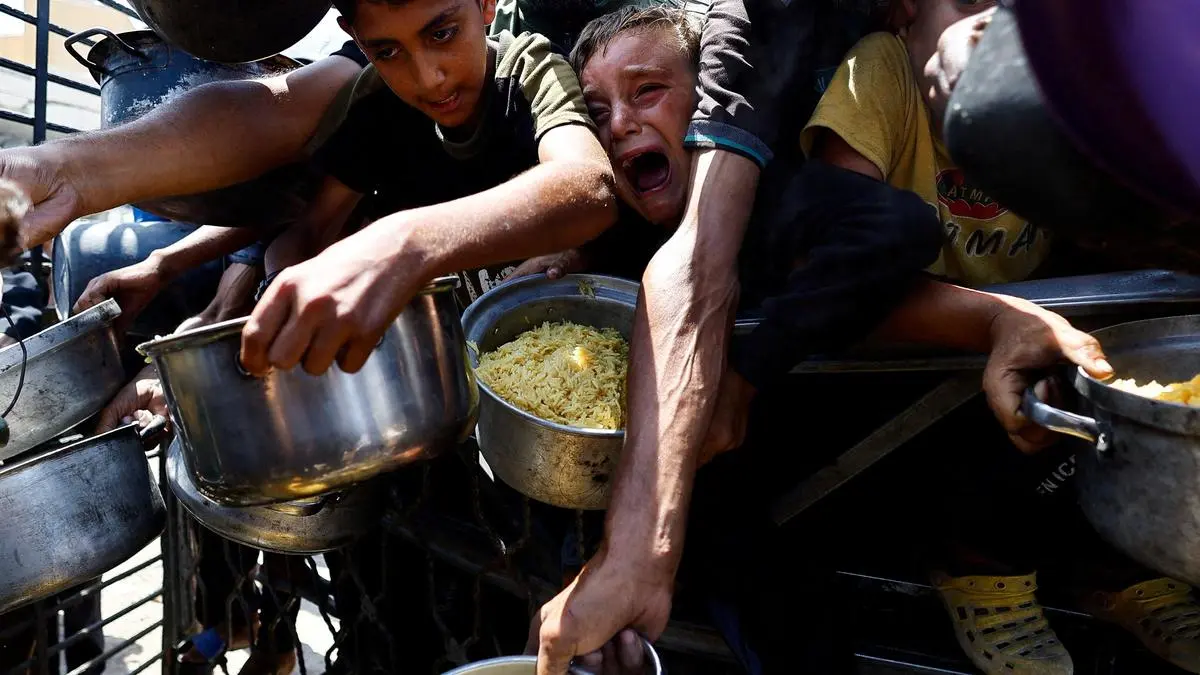
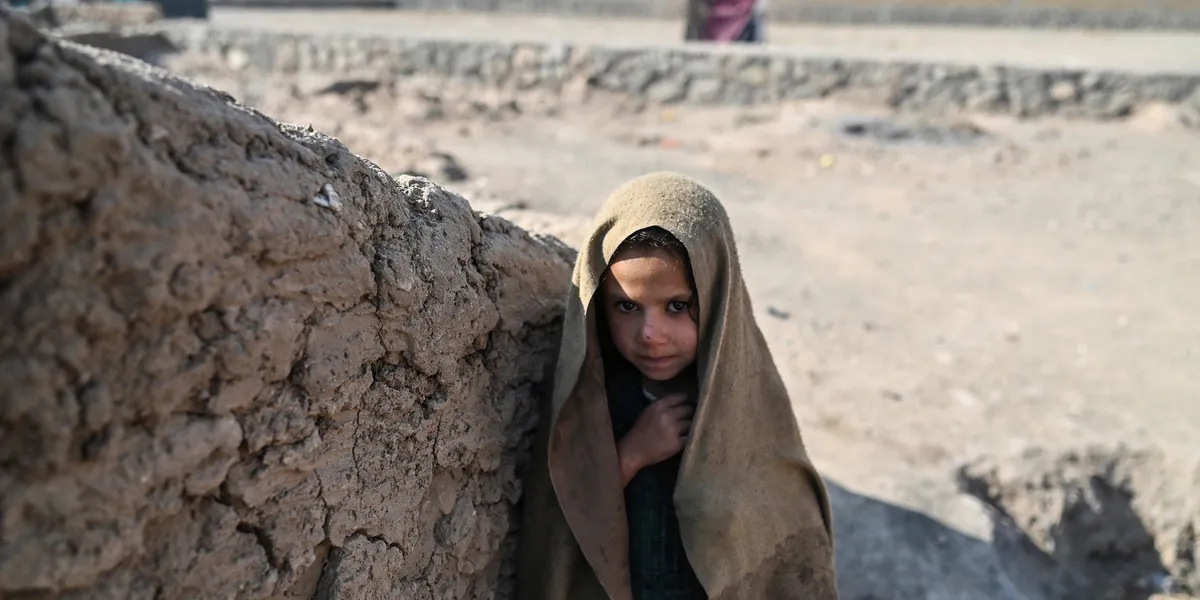
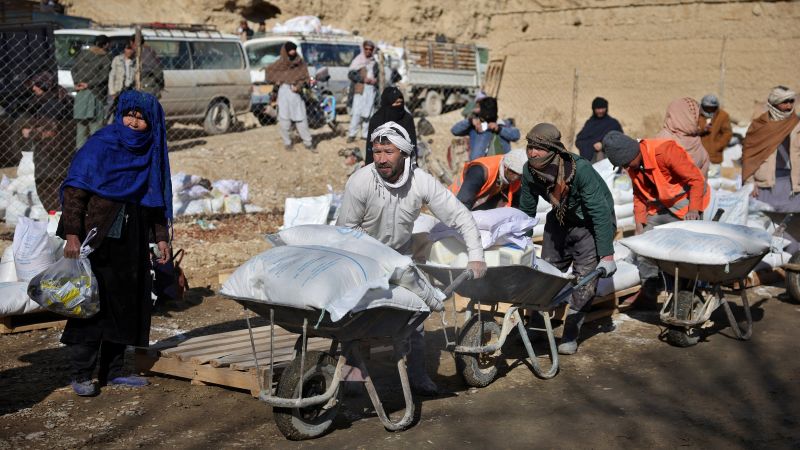
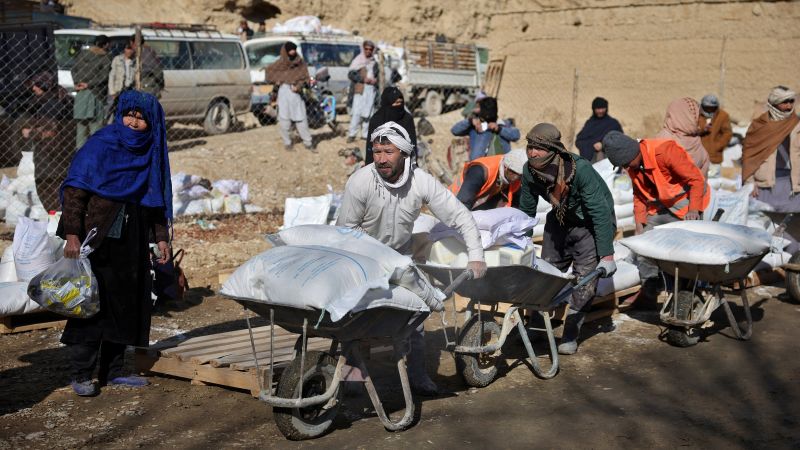
The United Nations (UN) food agency said millions of people are being pushed into acute hunger by the Iran war, as it warned would happen if the conflict escalated and oil prices remained high.The World Food Programme (WFP) said an analysis in three vulnerable countries found that an additional 2.5 million people in Somalia, 2.3 million in Afghanistan and 1.3 million in Sri Lanka are struggling to meet their basic food needs. In March, WFP predicted that 45 million people could be pushed into food insecurity by the end of June. That would be on top of the 318 million people around the world who are already food insecure.“We remain by that prognosis,” WFP's acting Executive Director Carl Skau told UN reporters. “That's mainly because the correlation between the prices of energy and food is so tight in many places, and also that in the poorest countries people are already spending all their money on food, and hence when food prices rise, they eat less.”WFP said in its report, circulated on Thursday (June 4, 2026), that its findings indicate the West Asia crisis is generating “significant spillovers," particularly on the prices of food and fuel, and disrupting trade. Especially in already vulnerable countries, the Rome-based UN agency said, these factors interact and quickly impact food security and livelihoods.“These impacts are expected to intensify in the coming months, even if the crisis in the Middle East de-escalates,” WFP said. Mr. Skau cited other global hotspots with food insecurity, including Sudan, Gaza, southern Lebanon, Yemen and Haiti.WFP had to limit aid to millions of needy people because of funding cuts, and Mr. Skau urged donors to step up, especially for Somalia and Afghanistan “because the human consequences of not doing more will be massive.” Published - June 06, 2026 11:56 am IST