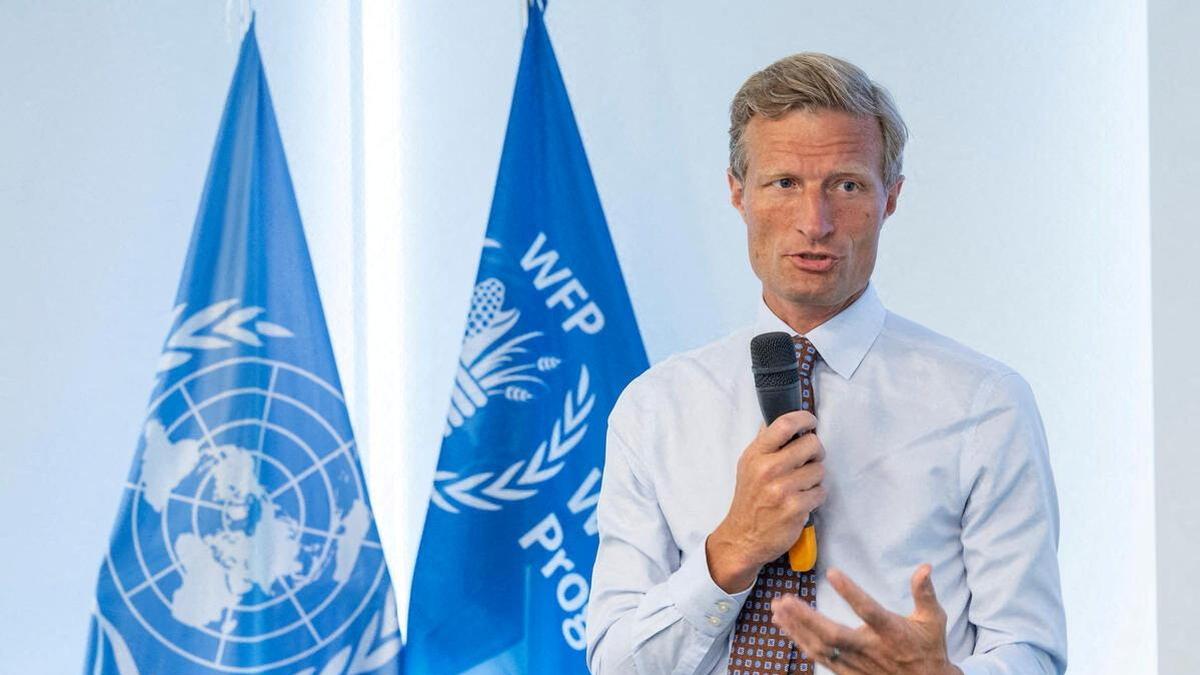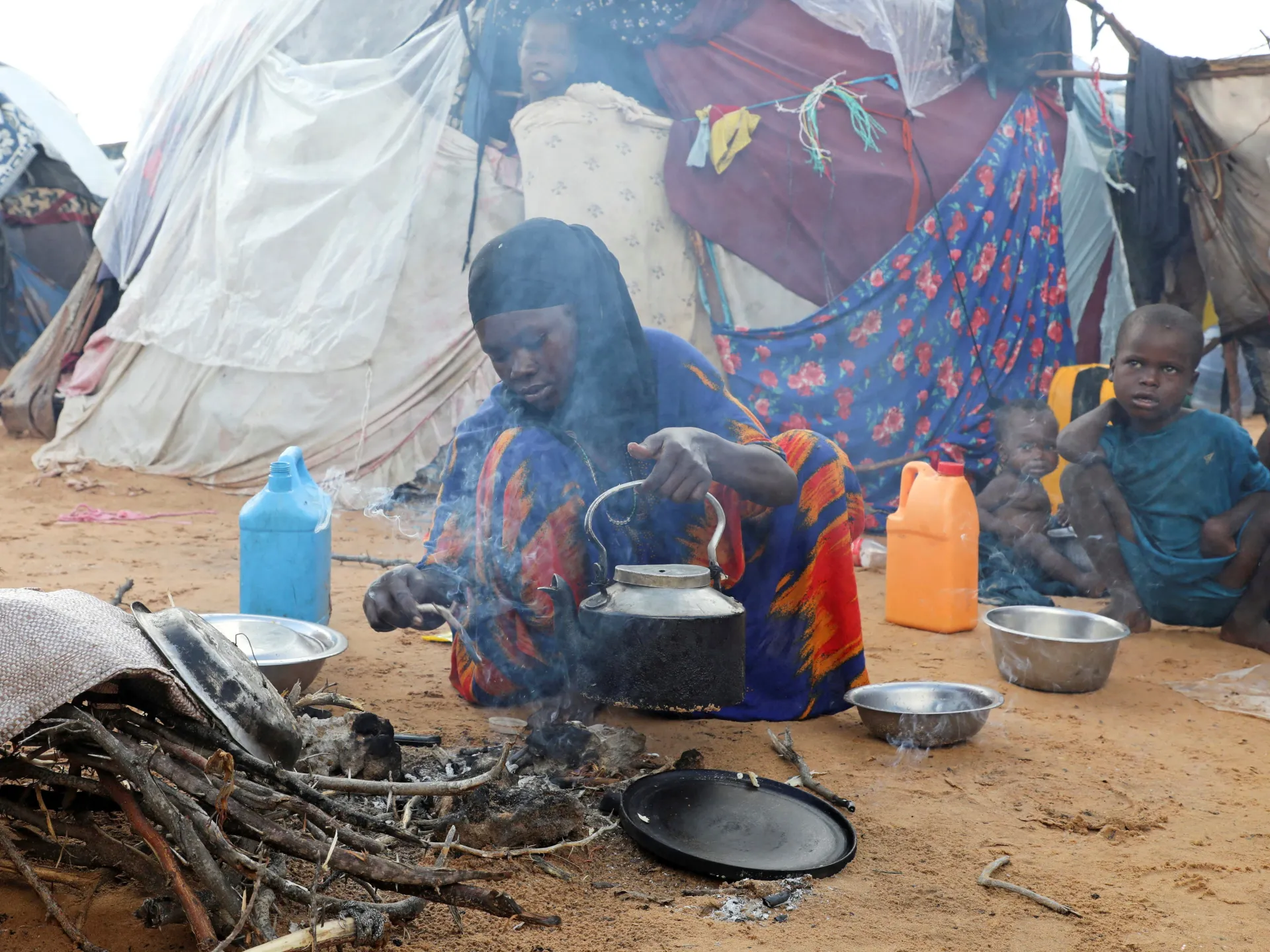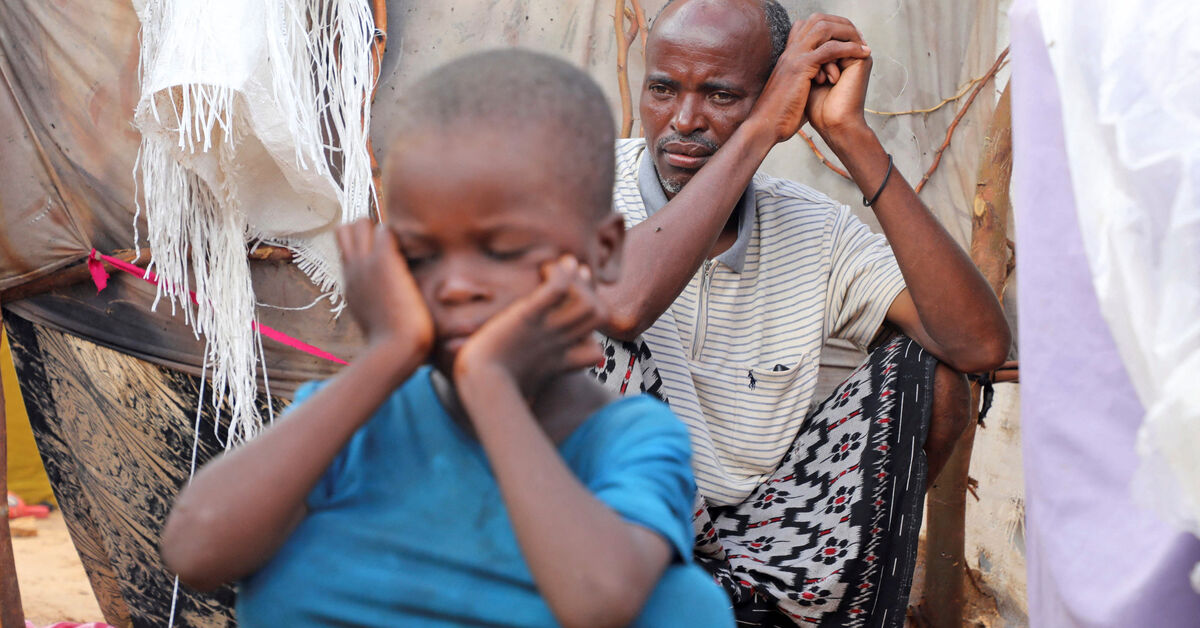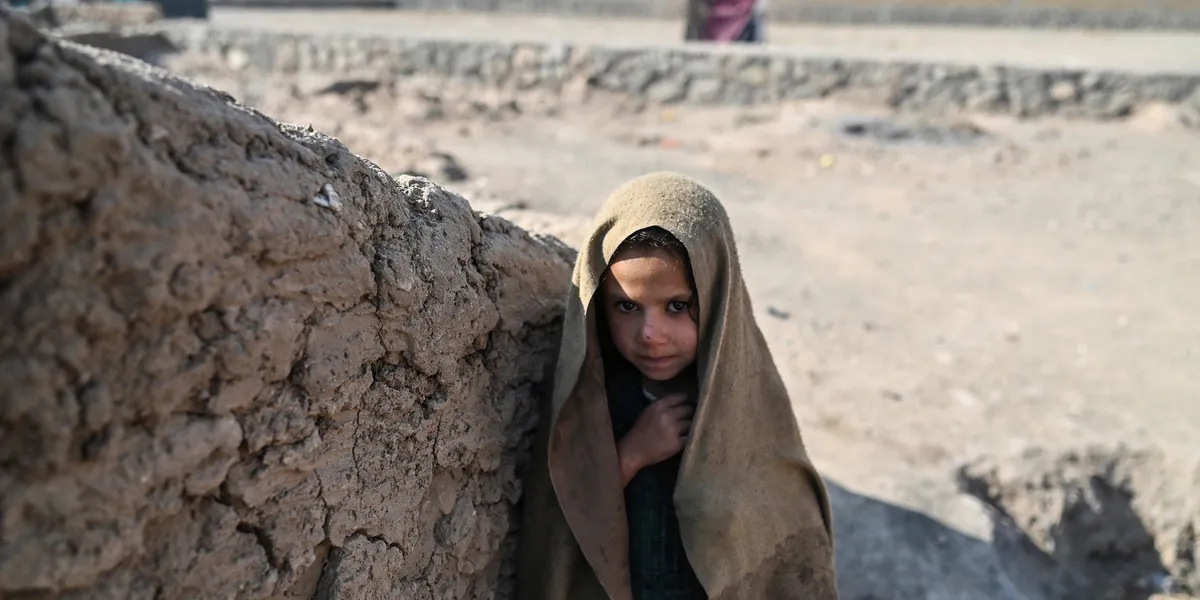
The continuing US-Israel war on Iran has compounded other global disasters to drive record numbers of people into hunger at a time when funding to combat famine has fallen dramatically, the head of the UN World Food Programme has said.The WFP says 363 million people around the world are now at risk of acute hunger, 45 million of them as a result of conflict in the Middle East and the consequent oil price spike.The surge in need comes against the backdrop of a cut in funding last year by a third, with the US, the largest donor by far, cutting its contribution by more than half.Carl Skau, the WFP’s acting executive director since its former leader Cindy McCain stepped down for health reasons earlier this year, said the huge gap between needs and funding had forced the organisation to cut programmes supporting populations in food emergencies so as to focus on those already facing catastrophic famine.“We take from the hungry to give to the starving. That’s the reality,” Skau told the Guardian. “Much of this is driven by conflict. Last year, we had two famines declared. That hasn’t happened in decades, so these are historic levels of hunger.”The two famines declared in 2025 were in Gaza and Sudan. The situation in Gaza has improved slightly since the October ceasefire, while Sudan continues to be the world’s worst humanitarian crisis, with pockets of famine persisting in parts of Darfur and South Kordofan.“On the funding side, we had a drop of nearly 40% year on year,” Skau said, adding that it immediately affected staffing levels, particularly in Afghanistan and Yemen, where the Trump administration has cut off all emergency food funding. “We had to let go of 5,000 people in Afghanistan. It meant we went from supporting 10 million to 2 million. It was a huge, huge drop last year.”More than 300 million people were already facing acute hunger globally before the US and Israel started a war with Iran in February, which led to Tehran closing the strait of Hormuz and then a US counterblockade on Iranian shipping.The WFP estimated earlier in the Iran war that if oil prices remained above $100, 45 million more people would face acute food shortages. The price of Brent crude fell below that benchmark in mid-May, but only after weeks in March and May when it was well above $100. It still costs 30% more than its prewar average and could rise again.The war and the Hormuz closure have had several effects on global hunger and the WFP’s capacity to prevent people from dying from famine. Most directly, it drives up food prices, mostly because of transport costs.“The price of food and energy is so closely correlated that in some places if the price of energy goes up 30%, food inflation almost meets that,” Skau said. “In a least developed country, amongst the most vulnerable, they’re already spending all their money on food, and so that means they eat 30% or 40% less.”The spike in oil prices also directly affects WFP efforts to get food to the most desperately hungry. More of its operating costs have to go towards transport, and some aid routes have been blocked.For example, border tensions with the Taliban government in Afghanistan in recent months led Pakistan to close border crossings, blocking the usual route for food aid. The Gulf conflict has since closed its second longest border, with Iran, so the WFP has had to resort to long and costly land routes.Skau said 85,000 tons of food aid intended for Afghanistan had been stuck on the Pakistan border for months, then rerouted to Dubai, only to be stuck there when the Iran war broke out. The WFP then sent it through Turkey and across the Caspian Sea and Turkmenistan. It was due to arrive last week, seven months late.The oil price hike and the inflationary surge it has sent across the world also affects the willingness of donor countries to fund the WFP. Total donor contributions had already dropped from $9.8bn in 2024 to $6.5bn in 2025. In that period, US funding fell from $4.4bn to $2.1bn, while UK contributions declined from $610m to $435m. This year, the estimated funding needs are $13bn but only $2.8bn has so far been received.Those are all immediate impacts on hunger of the Iran war, and it is already creating severe problems for next year by cutting the supply chain for a third of the world’s seaborne fertiliser.“In east Africa, all their fertiliser comes from the Middle East, and they don’t have the capacity nor the resources to buy elsewhere,” Skau said. “So that means that if this continues, there is going to be none, and eastern Africa is now heading into the planting season, so we will see the impact on productivity six or nine months from now.”Beyond the immediate impact of the Iran war, Skau pointed to the corrosion of international norms that had made the work of humanitarian workers like WFP staff more dangerous than ever. More than 1,000 humanitarian workers have been killed while doing their job over the past three years.Iranian-backed Houthi forces are still holding 38 WFP workers they detained last year on unsubstantiated espionage allegations, leading the organisation to suspend operations in Houthi-controlled areas.“We really feel this broader sense of a challenge to the rule of law,” Skau said. “We feel it at the checkpoints, and the drone wars have been terrible. We’re losing more colleagues than ever, and it’s very difficult with attribution – we can’t point to exactly who did what – and certainly there is no accountability. It’s never been more dangerous.”
US-Israel war on Iran driving historic levels of global hunger, UN says
Conflict and cuts in funding have left World Food Programme ‘taking from the hungry to feed the starving’
938 words~4 min read