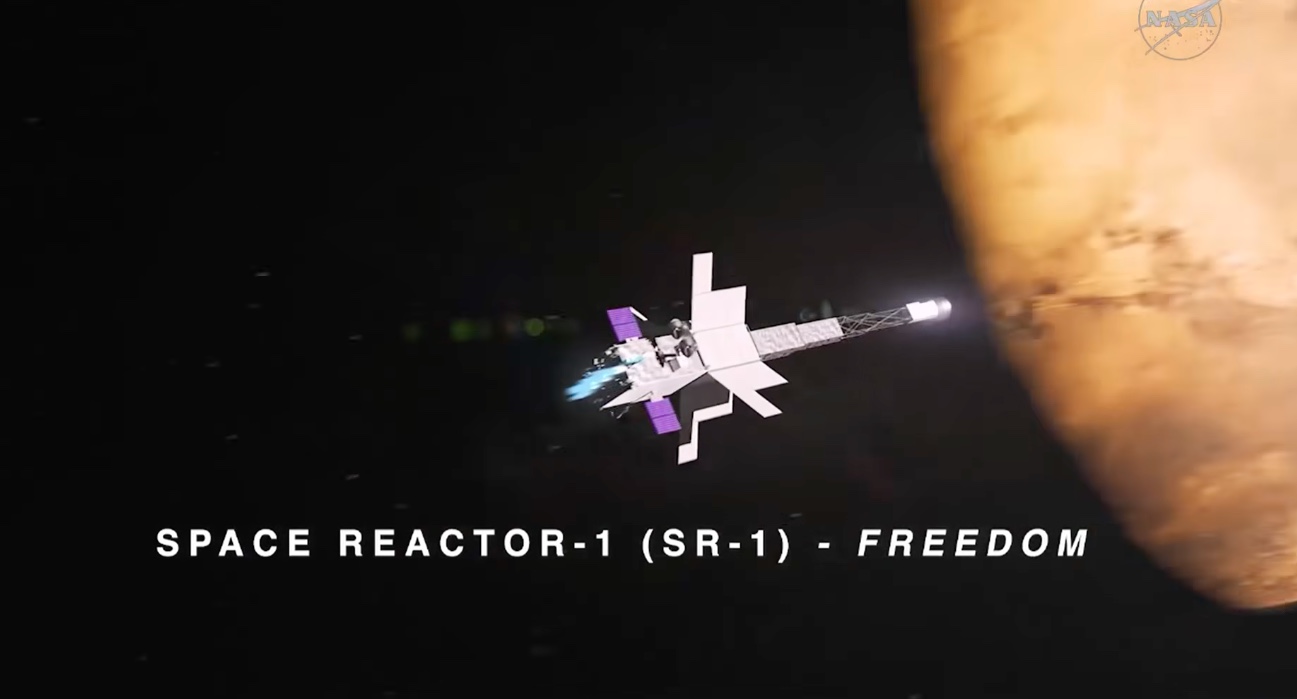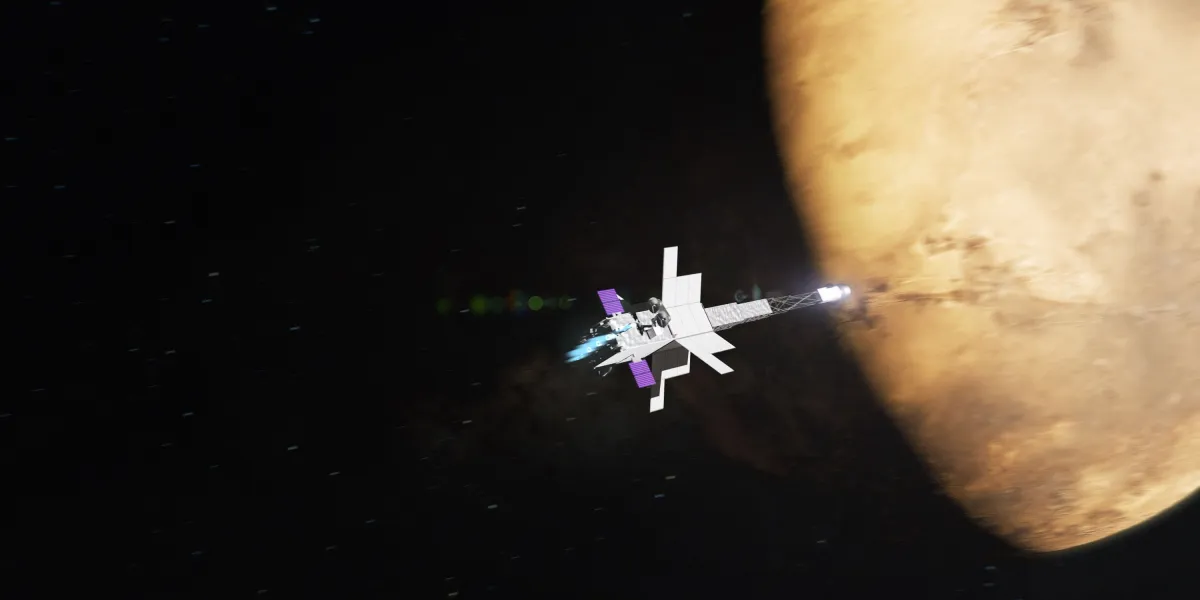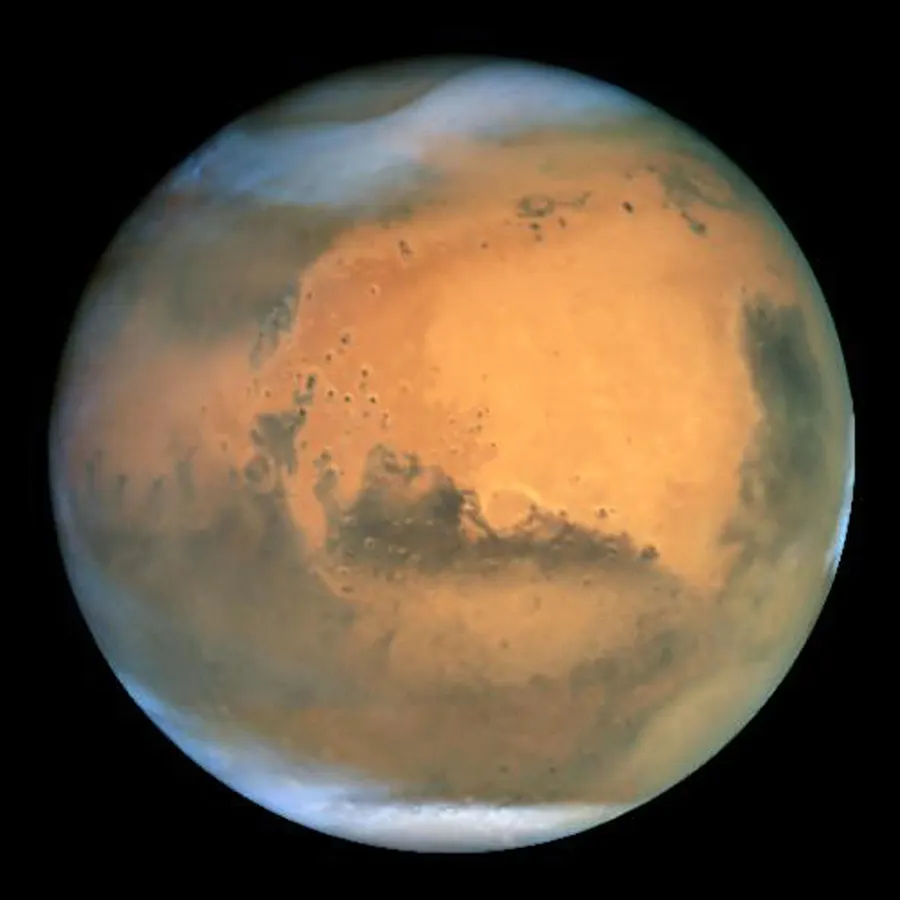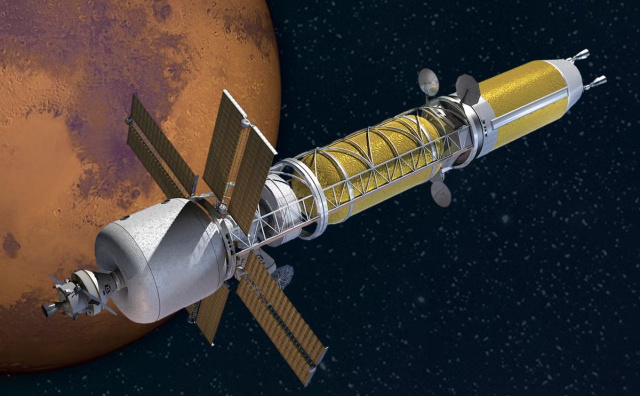
NASA’s planned nuclear-powered mission to Mars is expected to cost more than USD2 billion, according to the agency’s latest estimates. The project, called Space Reactor-1 Freedom, is part of NASA Administrator Jared Isaacman’s push to develop new technologies for future deep-space exploration.
NASA said the early projected cost of the mission is approximately USD2.1 billion, while the agency continues to refine the figure during the acquisition process. According to a document provided to Congress and reviewed by POLITICO, NASA plans to allocate USD640 million to the program in fiscal year 2026, followed by USD890 million in 2027, USD415 million in 2028 and USD180 million in 2029.
The funding will come from NASA’s exploration account as well as resources provided through a reconciliation bill approved last year. The agency is expected to manage the project while also financing other major priorities, including human missions to the Moon and the development of a future lunar outpost, despite expectations of a largely unchanged overall budget.
The current cost projection does not include SkyFall, the scientific mission that the nuclear spacecraft would carry to Mars. NASA has not yet provided an estimate for SkyFall, though Mars researchers have warned that the project could place additional pressure on the agency’s science funding.