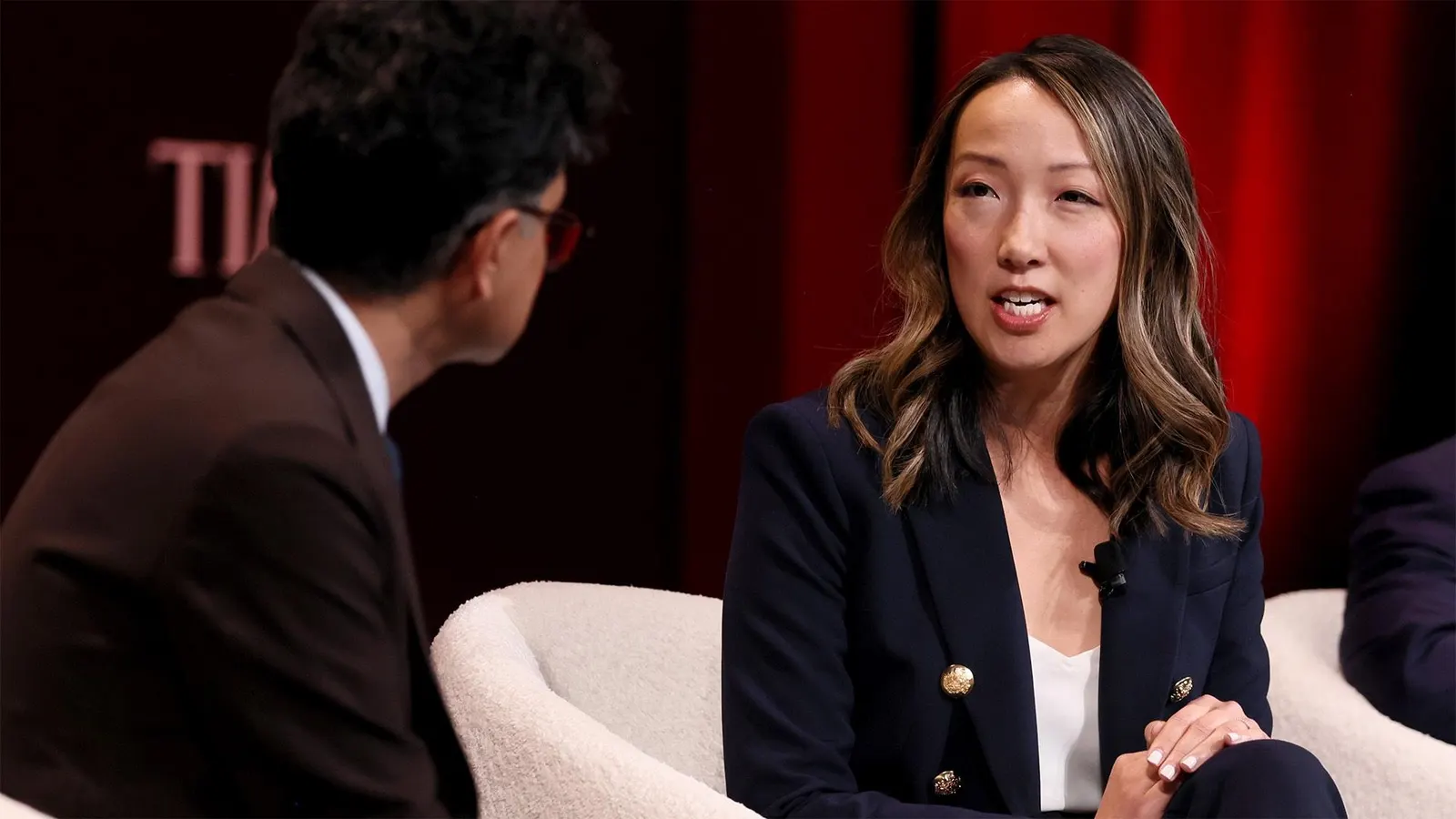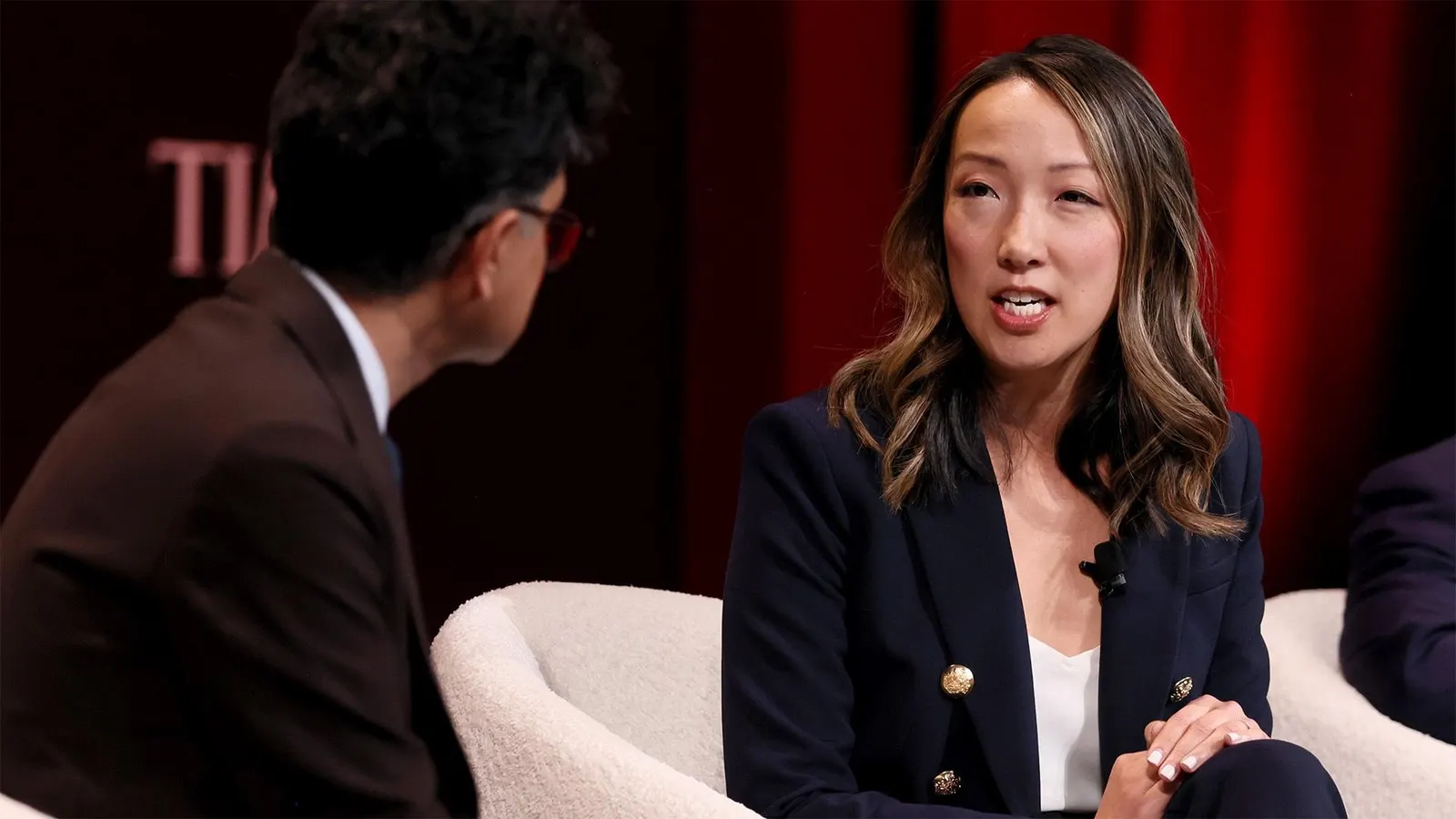
New Work FoundationWe’ve all seen the headlines about artificial intelligence threatening entry-level jobs and the impact it’s having on recent graduates. So this week, I spoke with tech executive Clara Shih, who is using her experience as a leader in the AI space to help young people build careers using the technology, rather than risk being replaced by it. Below is a snippet of my profile on Shih, a former Forbes 30 under 30 honoree, who is on a mission to ensure that Gen Z isn’t left behind by the changes in the job market: In August 2025, Clara Shih was working as the Head of Business AI at Meta when she and her team built an artificial intelligence agent for businesses that answered customers’ questions, remembered their preferences, and even offered product discounts to seal a sale. The tool, Shih says, was rapidly adopted by business owners who found it helped keep consumers engaged and streamlined their sales process. “It was everything you would want when you’re a builder in technology,” recalls Shih, now 44, who was honored on the Forbes 30 Under 30 list in 2012 as cofounder and CEO of the client engagement platform Hearsay Systems. She became CEO of Salesforce AI in 2023, before moving to Meta the next year. (Hearsay was acquired by the digital platform Yext in 2024.)But the feedback from entrepreneurs using Meta’s new tool also opened Shih’s eyes to the real—and potentially negative—impact AI could have. “The feedback we got from the businesses using our software was that they no longer needed their staff,” she says. “We didn’t know whether we should cry or celebrate because we’ve been wanting it for so long and yet when we achieved our goal, we started to realize what the implications were.”At the time, Shih was also hearing stories from younger family members and recent graduates about how they were struggling to find work and how some even had their job offers rescinded. “I started looking into this problem more and what I found alarmed me,” she says. “We are in a youth unemployment crisis in this country.”According to the Federal Reserve Bank of New York, 5.6% of recent graduates aged 22 to 27 are unemployed and 41.5% are underemployed. “These are smart, talented, ambitious young people who should be gainfully employed, but because of what’s been happening with AI automating entry level tasks, they’re being underutilized and it not only hurts them, it hurts our society because this is our tax base and this is our voter base for the future,” Shih declares.Her desire to solve this employment gap for young people led her to leave her job at Meta and launch the New Work Foundation in April. What started as a self-funded organization is now a nonprofit where individuals can donate to the organization’s mission of equipping young workers with the tools, information and skills needed to navigate an economy being reshaped by AI.From closing the information gap around AI to building a free AI jobs coach for recent graduates, read here to learn more about Shih’s plan to use technology to solve Gen Z’s unemployment crisis. This is a published version of Forbes’ Careers newsletter. Click here to subscribe and get it in your inbox every Tuesday. WORK SMARTER Practical insights and advice from Forbes staff and contributors to help you succeed in your job, accelerate your career and lead smarter.Do you know the unspoken corporate rules? Learn five workplace dynamics around power and influence that can make or break your career, from executive coach Caroline Castrillon.Your professional network has a different job at every career stage, business expert Nirit Cohen says. See why you should foster connections even when you feel stable in your role.Want an AI job without engineering expertise? Search for “human in the loop” and customer success roles to land a lucrative AI job using these strategies from career coach Robin Ryan.Skills used in humanities majors like English can teach workers how to be indispensable, as human judgment is increasingly vital in the age of AI, communications expert Grace Aldridge Foster says.Young woman owner of ice cream shop in town. She is opening her store and waiting for costumers.GettyDeep Dive: 10 Ways Small Businesses Can Use AI To Grow—And Even Hire More WorkersRecently, a group of witnesses went before the House Small Business Committee to dispute the commonly-held belief that artificial intelligence will replace human workers. In fact, these witnesses insisted that the small businesses using AI are likely to hire more employees due to growth, reports Forbes’ staff writer John Schroyer. Last year, 58% of small firms nationwide reported using generative AI, an increase from 40% in 2024 and 23% in 2023, Jordan Crenshaw, senior vice president at the U.S. Chamber of Commerce’s Technology Engagement Center, told lawmakers. He added that 82% of small businesses that reported using AI had increased their staff headcounts over the past year. “These businesses are not using AI to replace people,” Crenshaw said. “They’re using it to help employees focus on high value work that requires judgment, creativity and relationships.” In addition to discussing the wide use of AI, Crenshaw urged Congress to act on regulating it, rather than just leaving the issue to the states, which he said would create a costly national “patchwork” of business rules that smaller firms would be hard-pressed to navigate. He cited a study from the nonprofit think tank Information Technology and Innovation Foundation that concluded it would cost the nation roughly $1 trillion over the next decade if it doesn’t implement a national set of AI data privacy rules. Roughly $200 billion of that will be borne by the small business community.The bottom line, Crenshaw and other experts told lawmakers, is that AI will not be able to replace truly human capabilities, but rather should empower workers with new tools to become more efficient, productive and skilled. Read here to learn more about the 10 ways that Crenshaw and other leaders say small businesses can best deploy AI, and why they are encouraging Congress to approve more funding for training businesses and workers on the tool. TOUCH BASENews from the world of work. The number of U.S. job seekers who have been out of work for six months or longer hit 27.3% in June, reports The Wall Street Journal. That number is near the highest level it’s been in five years, with federal data showing that white-collar workers and people in their prime working years have been hit the hardest by long-term unemployment. According to Quartz, many of the companies that previously cut entry-level jobs are now re-hiring some of that talent, proving how hard it is to automate some of the tasks junior employees do. Additionally, Quartz explains that if companies let AI eliminate entry-level workers, it could hurt the future pipeline of up-and-coming managers.
Meet The Tech Exec Using AI To Help Gen Z Get Hired
This week’s careers newsletter looks at how a former Meta exec is using AI to fix Gen Z’s jobs crisis. Plus, ways small businesses can use AI to grow and hire more workers.
1,141 words~5 min read